


 Iran's Supreme Leader Vows Revenge as Trump Threatens Massive U.S. Military Response
  Republican Senator Lindsey Graham Dies at 71, Leaving South Carolina Senate Seat Vacant
  EU Weighs New Trade Restrictions on Israeli West Bank Settlements
  Trump, Canada Reach Gordie Howe Bridge Deal Ahead of July 27 Opening
  DOJ Subpoenas New York Times Journalists Over Air Force One Leak Report
  Western Allies Push for More Air Defenses for Ukraine at Paris Summit
  UN Says Hamas Disrupted Gaza Aid Distribution, Group Denies Allegations
  Trump Administration Bars U.S. Travelers From Congo Flights Amid Ebola Outbreak
  Israel Sets October 27 Election as Netanyahu Faces Tough Political Test
  Trump Recommends Darline Graham for Interim South Carolina Senate Seat
  EU to Propose New Rules Limiting Children's Access to Social Media
  Israeli Strikes Kill Six in Gaza as Ceasefire Talks Continue in Cairo
  Trump Tells Congress Iran Hostilities Restarted, Citing New 60-Day War Powers Window
  Iraq PM Visits Washington as U.S. Oil, Gas Deals Take Center Stage
  Reuters/Ipsos Poll: Most Americans Expect U.S.-Iran War to Be Prolonged
  Iranian Missile Strike on UAE Oil Tankers Kills Indian Crew Member in Strait of Hormuz
  Zelenskiy Plans Ukraine Government Shake-Up as Prime Minister Svyrydenko Set to Step Down


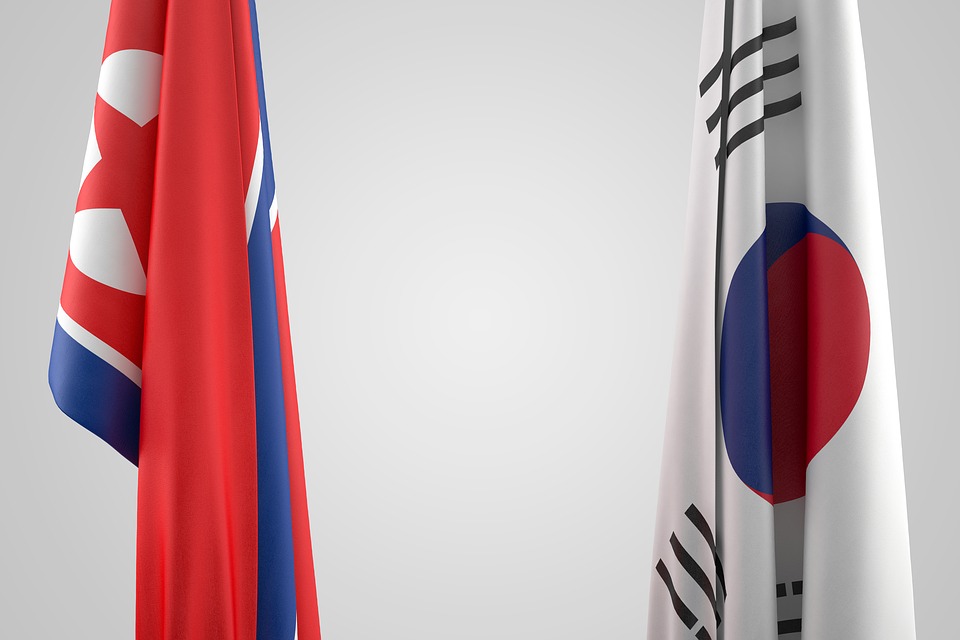
With tensions in the Korean peninsula over North Korea’s weapons program, South Korea and the United States resumed their largest live-fire field exercises this week. This year’s set of drills is seen as the largest the two countries held in years.
South Korea and the US resumed their largest live-fire field drills in years, following diplomatic efforts and the COVID-19 pandemic leading to joint drills getting scaled back. The two countries see the drills as an important part of their efforts to deter North Korea and its nuclear program.
North Korea, however, has called the joint drills a rehearsal for war, while Russia and China also raised concerns that this would increase tensions in the region.
According to Reuters, the drills include live-fire from American and South Korean howitzers, tanks, machine guns, and mortars. American A-10 attack aircraft and Apache helicopters were also part of the joint drills.
US Col. Brandon Anderson, the 2nd Infantry Division/ROK-US Combined Division’s deputy commander for maneuver, said the drills are not aimed at one adversary, but they included the “reason for the US-ROK alliance” which is North Korea.
“We’re all here for a reason, we all know that’s a potential, and how we would defend against it is what we’re trying to demonstrate here,” said Anderson, adding that the drills stress that the US forces will not be leaving the Korean peninsula.
“We are here for the long haul. As long as there is a threat out there, it gives us purpose, and purpose to train,” said Anderson.
South Korea’s Defense Acquisition Program Administration said Saturday that two South Korean companies signed a $5.76 billion contract with Poland to export tanks and howitzers, following Warsaw’s move to ramp up imports in the midst of tensions with Russia.
The contract was signed Friday last week and is part of South Korea’s biggest arms deal that was secured in July.
The Hyundai Rotem Co. will ship K2 Black Panther tanks, and Hanhwa Defense - the defense unit of Hanhwa Corp - will send K9 self-propelled Howitzers to Poland. While both countries have not announced the value of the deal, which is estimated to be up to ₩20 trillion or $15 billion.







