


 Russia Launches Missile and Drone Attacks on Kyiv, Zaporizhzhia, and Kharkiv
  Iraq PM Visits Washington as U.S. Oil, Gas Deals Take Center Stage
  Trump to Deliver National Address on Declassified 2020 Election Intelligence
  Trump Recommends Darline Graham for Interim South Carolina Senate Seat
  Ann Widdecombe Murder: Police Arrest Second Suspect, Rule Out Terrorism Motive
  EU Weighs New Trade Restrictions on Israeli West Bank Settlements
  US-Iran Strikes Escalate as Strait of Hormuz Crisis Pushes Oil Prices Higher
  Iran's Supreme Leader Vows Revenge as Trump Threatens Massive U.S. Military Response
  EU to Propose New Rules Limiting Children's Access to Social Media
  Trump Administration Bars U.S. Travelers From Congo Flights Amid Ebola Outbreak
  Brazil Court Bars Flavio Bolsonaro From Visiting Jair Bolsonaro Ahead of Election
  Trump Tells Congress Iran Hostilities Restarted, Citing New 60-Day War Powers Window
  Minnesota Wildfires Spread as Governor Tim Walz Deploys National Guard
  DOJ Subpoenas New York Times Journalists Over Air Force One Leak Report
  Zelenskiy Plans Ukraine Government Shake-Up as Prime Minister Svyrydenko Set to Step Down
  EU Ministers Split as Support Grows for Ban on Trade With Israeli West Bank Settlements


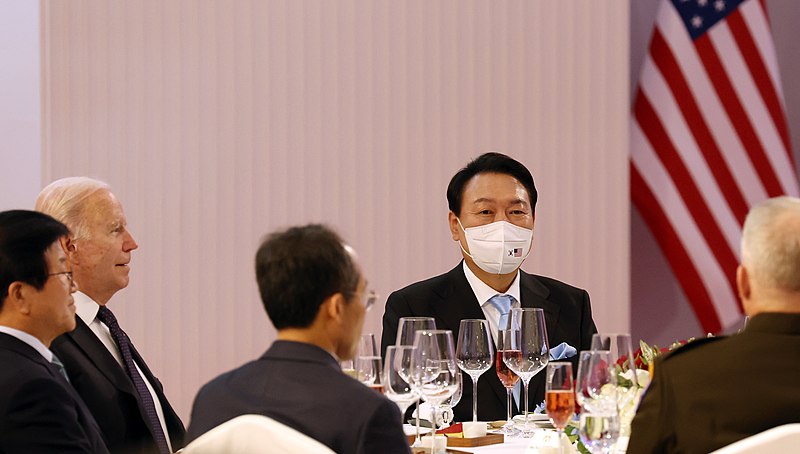
South Korean President Yoon Suk-yeol this week ordered an update on plans to address the growing threat posed by North Korea in nuclear arms and missiles. This comes amidst tensions in the peninsula, as Pyongyang continues to develop its nuclear program.
Yoon’s office said Thursday that he requested updates on the South Korean military’s operational plans to address North Korea’s nuclear and missile threats. Yoon gave the order during his first visit to a military bunker in Seoul that would become a command post in the event of a war.
Yoon said that the military drills this year were being done amidst a changed scenario and the operational plans reflected the growing threats posed by North Korea.
“We need to urgently prepare measures to guarantee the lives and property of our people, including updating operational plans against North Korea’s nuclear and missile threats that are becoming a reality,” said Yoon.
Yoon’s visit also took place at the same time as South Korea and the United States kicked off their military drills, the largest in years. The annual summer military drills, now known as the Ulchi Freedom Shield, are set to finish on September 1.
The drills this week involve the first field training between both countries since 2017 when it was scaled back considerably due to the pandemic and Yoon’s predecessor, Moon Jae-in’s attempts to improve relations with North Korea.
Yoon, who took office in May, pledged to boost overall readiness against North Korea and called for bolstering the military’s capability to independently counter North Korean missiles while reinforcing the US extended deterrence that included its nuclear umbrella.
The new South Korean envoy for North Korean human rights Wednesday has called on China not to deport North Korean defectors. China has been criticized for deporting North Korean defectors, whom Beijing describes as illegal migrants trying to flee their country for economic reasons.
The new envoy, Lee Shin-hwa, said quiet diplomacy may be needed to convince China to comply with the principle of non-refoulment, which obliges host countries to refrain from returning migrants seeking asylum or refugees to a place where their lives may be at risk.







