


 Trump Administration Bars U.S. Travelers From Congo Flights Amid Ebola Outbreak
  Trump Tells Congress Iran Hostilities Restarted, Citing New 60-Day War Powers Window
  Iran Says It Closes Strait of Hormuz After Warning Shot at Vessel
  Republican Senator Lindsey Graham Dies at 71, Leaving South Carolina Senate Seat Vacant
  Ukraine, Europe Launch Freyja Missile Shield to Strengthen Air Defense Against Russia
  Minnesota Wildfires Spread as Governor Tim Walz Deploys National Guard
  Russia Launches Missile and Drone Attacks on Kyiv, Zaporizhzhia, and Kharkiv
  Trump Recommends Darline Graham for Interim South Carolina Senate Seat
  Iraq PM Visits Washington as U.S. Oil, Gas Deals Take Center Stage
  Venezuela Appoints Felix Plasencia to Lead Foreign Relations and Trade
  Western Allies Push for More Air Defenses for Ukraine at Paris Summit
  Iran's Supreme Leader Vows Revenge as Trump Threatens Massive U.S. Military Response
  US-Iran Strikes Escalate as Strait of Hormuz Crisis Pushes Oil Prices Higher
  Ann Widdecombe Murder: Police Arrest Second Suspect, Rule Out Terrorism Motive
  Reuters/Ipsos Poll: Most Americans Expect U.S.-Iran War to Be Prolonged
  DOJ Subpoenas New York Times Journalists Over Air Force One Leak Report
  Israel Sets October 27 Election as Netanyahu Faces Tough Political Test


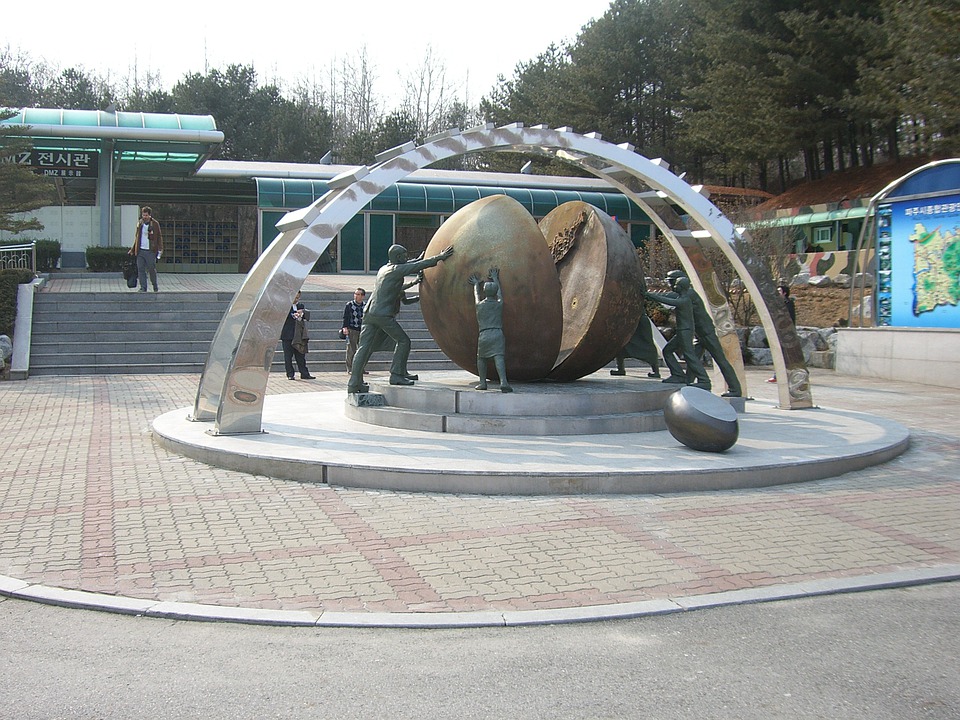
South Korean prosecutors reopened a probe regarding the events surrounding the forced repatriation of two North Korean fishermen who attempted to defect to the South back in 2019. The country’s unification ministry revealed that two out of the 200 North Korean fishermen were forcibly repatriated.
The data from South Korea’s unification ministry, which oversees relations with North Korea, showed that among the nearly 200 North Korean fishermen who attempted to defect over the years since 2010, only two were forcibly deported back in 2019.
Since 2010, 276 North Koreans have traveled to the South on 67 occasions, either going adrift at the sea border or being detained after violating the border. Of all of those, 194 returned home, while 82 defected to South Korea. Only two fishermen were designated as “expelled.”
The data surfaced after prosecutors reopened a probe into the case of the two fishermen in the midst of public backlash over the administration of now-former President Moon Jae-in and his handling of their constitutional and human rights.
South Korean authorities usually question all the North Koreans detained or found in the South about how and why they crossed the border. They repatriate those who wish to go back.
Officials in the Moon administration said the two expelled fishermen did not deserve the South’s protection and resettlement support and described them as “grotesque criminals” who killed 16 of their colleagues in a fight on a ship before they crossed the border.
However, human rights and legal experts criticized the forced repatriation of the two fishermen. They said the Moon administration violated the rights of the fishermen by sidestepping their rights to due process. The South Korean constitution defines all North Koreans as citizens of the South.
Last week, South Korean officials said the upcoming high-level visit by foreign minister Park Jin to Japan would help start discussions aimed to make a breakthrough in the historical disputes between the two countries despite concerns following the assassination of former Japanese Prime Minister Shinzo Abe that may change Japan’s policies.
This comes as South Korean President Yoon Suk-yeol has pledged to improve ties with Japan as relations between both countries have been strained, stemming from Japan’s occupation of Korea from 1910 to 1945.







