


 Trump Lifts 25% Tariff on Indian Goods in Strategic U.S.–India Trade and Energy Deal
  BOJ Rate Decision in Focus as Yen Weakness and Inflation Shape Market Outlook
  Singapore Budget 2026 Set for Fiscal Prudence as Growth Remains Resilient
  Bank of Japan Signals Cautious Path Toward Further Rate Hikes Amid Yen Weakness
  Dow Hits 50,000 as U.S. Stocks Stage Strong Rebound Amid AI Volatility
  U.S. Stock Futures Slide as Tech Rout Deepens on Amazon Capex Shock
  U.S. Stock Futures Rise as Markets Brace for Jobs and Inflation Data
  U.S.-India Trade Framework Signals Major Shift in Tariffs, Energy, and Supply Chains
  Indian Refiners Scale Back Russian Oil Imports as U.S.-India Trade Deal Advances
  Dollar Near Two-Week High as Stock Rout, AI Concerns and Global Events Drive Market Volatility
  Asian Stocks Slip as Tech Rout Deepens, Japan Steadies Ahead of Election
  South Africa Eyes ECB Repo Lines as Inflation Eases and Rate Cuts Loom
  Trump’s Inflation Claims Clash With Voters’ Cost-of-Living Reality


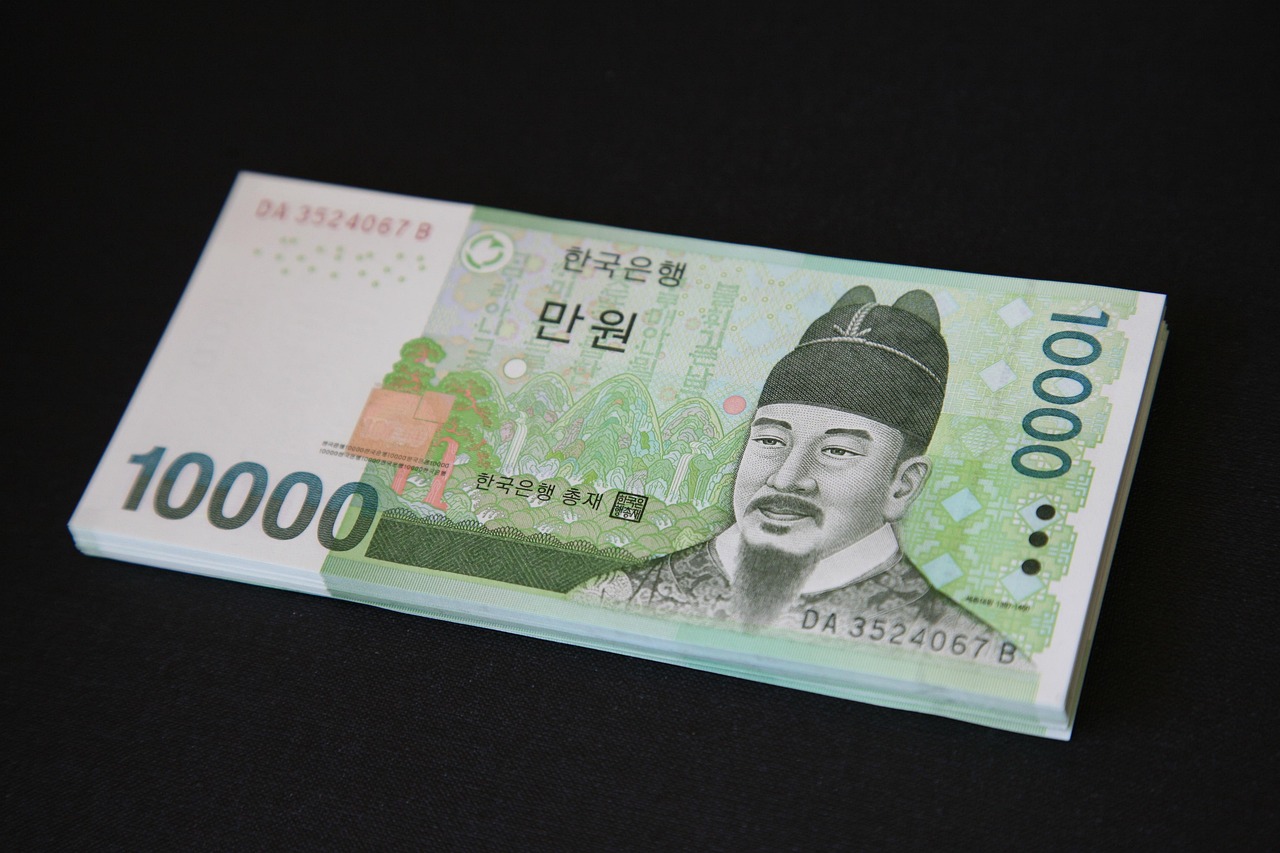
South Korea’s central bank has warned that inflation next year could exceed earlier projections if the Korean won remains weak against the U.S. dollar, raising concerns about price stability and currency market pressures. In its latest biannual inflation report released on Wednesday, the Bank of Korea (BOK) said a prolonged high KRW/USD exchange rate could lead to stronger inflationary spillover effects across the economy.
According to the BOK, if the won stays near its current level of around 1,470 per dollar throughout next year, headline consumer inflation could rise into the low-to-mid 2% range. This would slightly surpass the central bank’s existing forecasts and keep inflation above its official 2% target. The bank emphasized that a sustained weak currency tends to increase import costs, which are then passed on to consumers through higher prices.
South Korea’s headline inflation rose 2.4% in November compared with the same period last year, marking the third consecutive month it has remained above the BOK’s target. While inflation has eased significantly from peak levels seen in previous years, policymakers remain cautious as external factors, including exchange rate volatility and global financial conditions, continue to pose risks.
BOK Governor Rhee Chang-yong said the central bank would take steps to ensure foreign exchange stability, particularly in light of expected dollar outflows linked to a promised $350 billion investment fund under South Korea’s trade agreement with the United States. He stressed that such capital movements should not undermine the stability of the foreign exchange market.
Governor Rhee also reiterated calls for South Korea’s National Pension Service (NPS) to pay closer attention to macroeconomic conditions. As the world’s third-largest pension fund, the NPS has become a major market player, especially as it has increased overseas equity investments in recent years. These investments often involve buying dollars in the onshore foreign exchange market, which has contributed to downward pressure on the won. Rhee again urged the NPS to actively use currency hedging when purchasing foreign assets.
On Wednesday, the Korean won weakened a further 0.5% to 1,480.4 per dollar, hovering near its lowest level in 16 years, underscoring ongoing concerns about currency weakness and inflation risks.













