


 Trump Backs Nexstar–Tegna Merger Amid Shifting U.S. Media Landscape
  Israel Approves West Bank Measures Expanding Settler Land Access
  Trump’s Inflation Claims Clash With Voters’ Cost-of-Living Reality
  Nicaragua Ends Visa-Free Entry for Cubans, Disrupting Key Migration Route to the U.S.
  Federal Judge Restores Funding for Gateway Rail Tunnel Project
  Sydney Braces for Pro-Palestine Protests During Israeli President Isaac Herzog’s Visit
  Ohio Man Indicted for Alleged Threat Against Vice President JD Vance, Faces Additional Federal Charges
  Antonio José Seguro Poised for Landslide Win in Portugal Presidential Runoff
  India–U.S. Interim Trade Pact Cuts Auto Tariffs but Leaves Tesla Out
  Japan’s Prime Minister Sanae Takaichi Secures Historic Election Win, Shaking Markets and Regional Politics
  Bosnian Serb Presidential Rerun Confirms Victory for Dodik Ally Amid Allegations of Irregularities
  Trump Lifts 25% Tariff on Indian Goods in Strategic U.S.–India Trade and Energy Deal
  Japan Election 2026: Sanae Takaichi Poised for Landslide Win Despite Record Snowfall
  Bangladesh Election 2026: A Turning Point After Years of Political Suppression
  China Overturns Death Sentence of Canadian Robert Schellenberg, Signaling Thaw in Canada-China Relations
  China Warns US Arms Sales to Taiwan Could Disrupt Trump’s Planned Visit
  US Pushes Ukraine-Russia Peace Talks Before Summer Amid Escalating Attacks


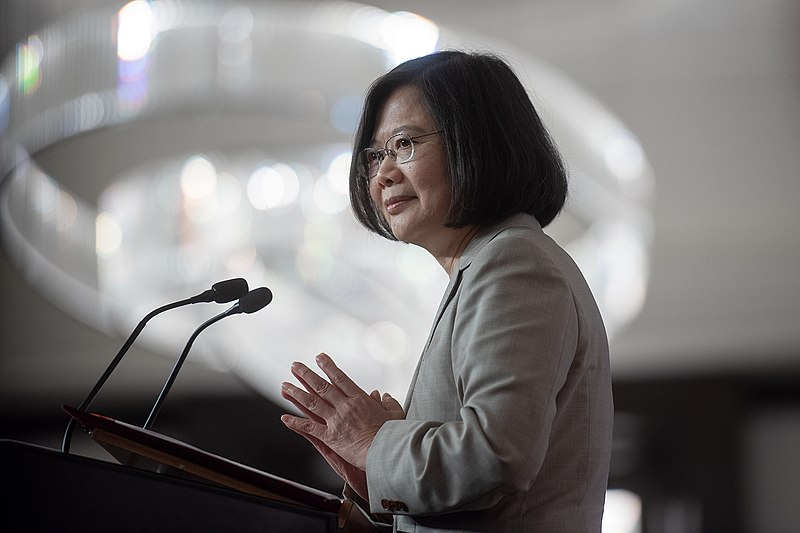
Taiwanese President Tsai Ing-wen said that the island nation hopes to secure a trade deal with the United Kingdom while deepening cooperation with the administration of British Prime Minister Rishi Sunak. Tsai’s comments were during a meeting with a British minister in Taipei amidst protests from China against visits by foreign officials to Taiwan.
Tsai met with British State and Trade Minister Greg Hands at the presidential office in Taipei this week, where she said she hopes a trade deal between Taiwan and the United Kingdom could be made. Tsai also thanked Hands for the UK’s continuous support for the island’s international participation as well as support for peace and stability in the Taiwan Strait.
“We attach great importance to the British proposal to promote an enhanced trade partnership between Taiwan and Britain,” said Tsai. “Our goal is to strengthen mutually beneficial economic and trade exchanges between Taiwan and Britain, and we hope Taiwan and Britain will work together to promote the signing of bilateral investment and trade agreements.”
Tsai added that Taiwan is willing to “make the best allocations” when it came to computer chips to help the world restructure the semiconductor supply chain and that the island is looking forward to working with its democratic allies, such as the UK to build a more resilient supply network in the world.
Tsai also said that she hopes the UK could “smoothly” join the Comprehensive and Progressive Agreement for the Trans-Pacific Partnership while, in turn, supporting Taiwan’s membership bid to the trade group.
While the UK has no formal diplomatic ties with Taiwan, it has maintained economic and informal relations. The UK also has a de facto embassy in Taipei.
Meanwhile, the Office of the United States Trade Representative said Wednesday that Washington and Taipei have wrapped up two days of trade talks. The office described the two-day discussions as “productive” and are part of the US-Taiwan initiative on 21st-century trade, a program that China has opposed. Both sides are set to have additional meetings moving forward.
This follows the introduction of the framework back in June, which came days after the Biden administration did not include Taiwan in its Asia-focused economic plan aimed at countering China’s growing influence in the continent.













