


 Federal Judge Restores Funding for Gateway Rail Tunnel Project
  Trump Backs Nexstar–Tegna Merger Amid Shifting U.S. Media Landscape
  Trump Signs “America First Arms Transfer Strategy” to Prioritize U.S. Weapons Sales
  Jack Lang Resigns as Head of Arab World Institute Amid Epstein Controversy
  Missouri Judge Dismisses Lawsuit Challenging Starbucks’ Diversity and Inclusion Policies
  U.S.-India Trade Framework Signals Major Shift in Tariffs, Energy, and Supply Chains
  U.S. Lawmakers to Review Unredacted Jeffrey Epstein DOJ Files Starting Monday
  Japan Election 2026: Sanae Takaichi Poised for Landslide Win Despite Record Snowfall
  Norway Opens Corruption Probe Into Former PM and Nobel Committee Chair Thorbjoern Jagland Over Epstein Links
  India–U.S. Interim Trade Pact Cuts Auto Tariffs but Leaves Tesla Out
  Trump Lifts 25% Tariff on Indian Goods in Strategic U.S.–India Trade and Energy Deal
  New York Legalizes Medical Aid in Dying for Terminally Ill Patients
  South Korea Assures U.S. on Trade Deal Commitments Amid Tariff Concerns
  Netanyahu to Meet Trump in Washington as Iran Nuclear Talks Intensify
  Trump Says “Very Good Talks” Underway on Russia-Ukraine War as Peace Efforts Continue
  U.S. Announces Additional $6 Million in Humanitarian Aid to Cuba Amid Oil Sanctions and Fuel Shortages


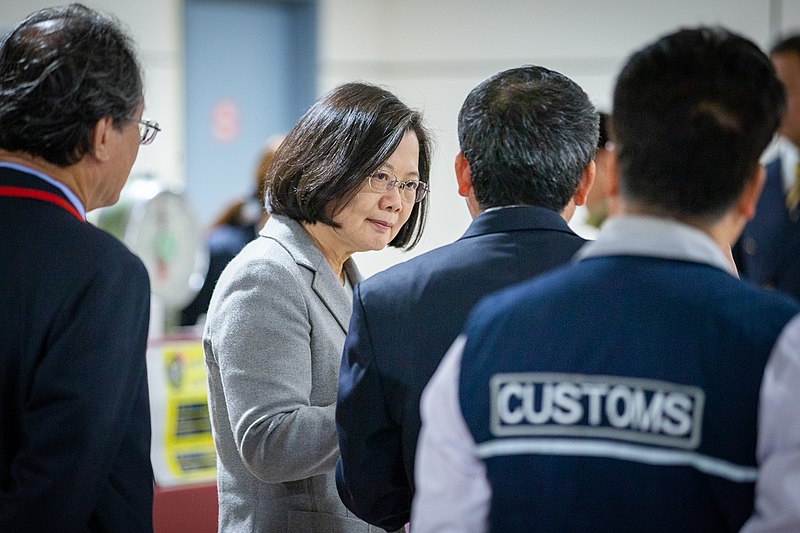
The Taiwanese defense ministry said it plans to fast-track its drone development for military use. The ministry added that it was taking some lessons from the ongoing war in Ukraine as the island also faces a growing threat from China, which views the island as its territory.
The Taiwanese defense ministry said on Tuesday that it was speeding its drone development for military use. Taipei has said it was closely monitoring the war in Ukraine and learning the lessons it could apply to potentially deter an invasion by China, which has not ruled out using force to capture the island. Taiwanese defense ministry spokesperson Sun Li-fang told reporters about Taipei’s plans to fast-track drone development and production.
“Responding to the present enemy threat and using the general experience of drones in the Ukraine-Russia war, in order to construct an asymmetric combat power for our country’s drones, the defense ministry is speeding up research and development and production of various drones,” said Sun.
Sun added that the military-run National Chung-san Institute of Science and Technology is leading the development and will include private companies.
The institute’s Aeronautical Systems Research Division director Chi Li-ping cited the drones that are in development for military use and reconnaissance purposes.
“Our country’s drones have already reached international standards when it comes to their type, abilities, and relevant technology,” said Chi.
In last year’s report to the Taiwanese parliament, the institute also unveiled plans for the missiles and drones that are currently in development as the defense ministry has previously announced plans to start producing unspecified “attack drones.”
On the same day, Taiwan and Canada agreed to start formal negotiations over a deal that could encourage two-way foreign investments and deepen their Indo-Pacific partnership, which would likely draw the ire of Beijing.
Canadian trade minister Mary Ng spoke with Taiwan’s top trade negotiator John Deng, and both discussed working together in order to secure new investment opportunities to support sustainable growth and ensure job creation for both sides.
The discussions over what is referred to as the “Foreign Investment Promotion and Protection Arrangement” is in line with Canada’s plans to increase trade and influence in the Indo-Pacific.













