


 US-Iran Gulf Clash Raises Oil Market and Defense Stock Concerns
  South Korea Stocks Tumble as KOSPI Triggers Circuit Breaker Amid Chip Selloff and Middle East Tensions
  US Weighs Using Frozen Iranian Assets to Rebuild Gulf Infrastructure After Regional Attacks
  Goldman Sachs Sees U.S. Dollar Holding Firm as Strong Economic Data Supports Outlook
  Canada-Indonesia Trade Pact Gains Momentum as Carney and Prabowo Discuss Economic Cooperation
  Asian Currencies Stabilize as Strong U.S. Jobs Data Boosts Dollar and Fed Rate Hike Expectations
  Switzerland Population Cap Referendum Sparks Economic and Immigration Debate
  Gold Prices Hit 11-Week Low as Strong U.S. Jobs Data Dampens Rate Cut Hopes
  South Korea Q1 GDP Growth Revised Higher as AI-Driven Exports Boost Economic Outlook
  Indonesia Plans Higher Asset Yields to Boost Rupiah and Restore Investor Confidence
  Australian Consumer Sentiment Drops in June as Financial Concerns Weigh on Households
  Oil Prices Surge as Iran-Israel Tensions Escalate, Raising Supply Concerns
  Gordie Howe International Bridge Set to Open, Boosting U.S.-Canada Trade Links
  US Stock Futures Rebound as Tech Shares Recover Despite Rising Middle East Tensions
  Vietnam Prioritizes Fiscal Stimulus as Monetary Policy Space Narrows
  Japan Q1 2026 GDP Growth Revised Lower as Weak Investment and Middle East War Pressure Economy
  Oil Prices Rise as Iran-Israel Tensions Ease Following Trump-Led Ceasefire Push



The coronavirus and its economic consequences have caused economic tsunamis in every country in the world. The scale of the onslaught will dominate discussions at the International Monetary Fund (IMF)/World Bank spring meetings due to take place – for the first time ever virtually – in mid April.
These virtual meetings will include the G20 Finance Ministers and Central Bank Governors and the body that advises IMF Governors about the management of the international financial system – the International Monetary and Finance Committee.
The participants in these meetings will discuss the international community’s response to the global health and economic crisis. They should operate from the premise that no country is immune from the virus and that each country remains vulnerable as long as any country is affected.
Many competing interests and views will be expressed at these meetings. Africa will need to advocate forcefully for its interests to make its voice heard.
It is critical that the world listens to Africa. It is projected that 450 000 Africans could test positive for the coronavirus by early May. If accurate, this pandemic would be catastrophic for the continent. It would overwhelm African countries’ health systems, devastate their economies and threaten millions of people with unemployment, hunger and homelessness.
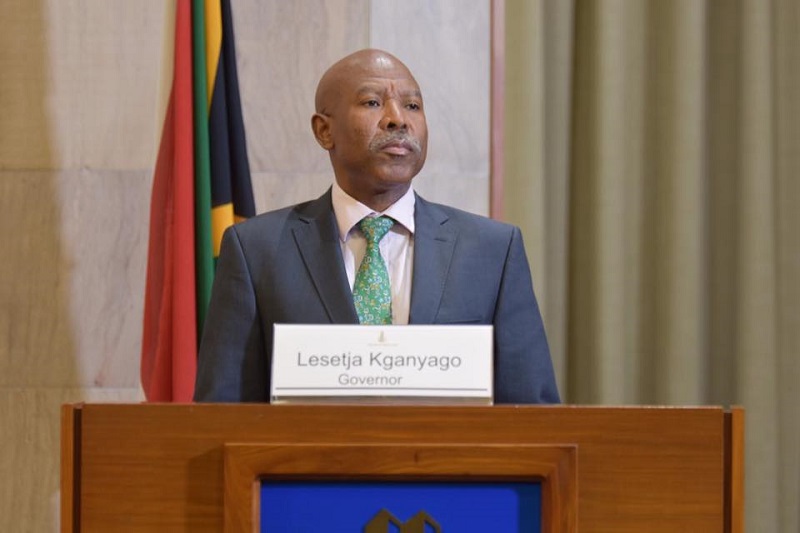
South Africa’s role in these meetings is pivotal. The Governor of the South African Reserve Bank Lesetja Kganyago chairs the finance and monetary committee. South Africa is the only sub-Saharan country in the G20. In addition to representing South Africa, therefore, he and Finance Minister Tito Mboweni must use these meeting to advocate for African interests.
The big asks
Africa needs three types of help.
First, it needs resources to deal with the health crisis. Second, it needs access to foreign exchange to compensate for the losses caused by the collapsing global economy. Third, many African countries need help dealing with their foreign debts.
Health: The IMF and World Bank have responded constructively to the health crisis. The IMF has doubled the amount of funding available through its emergency facilities. It is moving expeditiously to make these funds available to the more than 85 countries that have approached it for help.
The World Bank has also provided emergency support to over 25 countries.
They should continue providing this support to as many countries as need it.
Liquidity support: Both the IMF and World Bank have committed to provide expanded support to their members. The IMF has $1 trillion available for this purpose. The World Bank will provide $160 billion over the next 15 months for COVID related activities in its member countries.
However, as the IMF has noted, this is unlikely to be enough. Moreover, both institutions are likely to make the funds available relatively slowly and subject to conditions. Sub-Saharan African countries may not be able to afford either the associated delays or burdens.
African countries should therefore be throwing their weight behind calls for a new significant allocation – proposals have ranged from $500 billion to $1 trillion – of Special Drawing Rights, the IMF’s unique reserve asset that carries no policy conditions.
Sub-Saharan African countries will, collectively, only receive about 5% of the total allocation because the special drawing rights are allocated to all IMF member countries according to their IMF quotas—voting rights. Therefore, African countries also support the call by UNCTAD for rich countries to contribute the unneeded portion of their share of special drawing rights to a fund to support developing countries.
External debt: The IMF and World Bank should be commended for calling on donor countries to implement an immediate debt standstill on all their official debts to the poorest countries. China, Japan and the UK should also be applauded for taking the lead in supporting the IMF facility that helps the poorest countries repay their debts to the IMF.
However, about one third of Africa’s total long term debt of $493 billion is owed to private creditors. Most of this debt is in the form of bonds. Their price has fallen on financial markets. For example, Angolan and Zambian debts are trading at around 35c on the dollar.
Given that the prices of Africa’s commodity exports are unlikely to rise soon and that Africa’s economies are facing a severe recession, it is likely that the price of African bonds will remain depressed and more countries will face debt payment problems. Already Zambia has informed its creditors that it will not be able to pay its debts.
Unfortunately, speculators can exploit this situation. They can buy the cheap bonds with the expectation that they will be able in time to demand full repayment from the debtor governments — and to sue any debtor that demurs. They have earned exorbitant profits with this strategy in the past. They have used it against approximately 12 African countries and a number of other countries around the world, most famously Argentina.
Some states have passed laws to discourage these vultures. But they are adept at using their debt holdings to browbeat debtor countries into prioritising their debt over other obligations, including to their own citizens.
Risk mitigation strategy
To mitigate the risk of speculation, African countries should call for the creation of a Debts of Vulnerable Economies Fund (a “DOVE” fund) to help deal with Africa’s private sector debt. This fund, managed by an independent board representing all stakeholders, could be financed by governments, foundations, financial institutions, companies and individuals. It would do two things.
First, it would buy the debt of qualifying African states on financial markets at the market price (i.e. with the current steep discounts) and promise to implement a debt standstill on the debt it holds. Their purchase of the debt and its possible impact on the price of the debt should help deter the speculators.
It would also commit that once the global economy begins to grow again it will assess if each debtor country needs to renegotiate the terms of its debt so that it is not an undue burden on its efforts to rebuild its economy.
Second, the DOVE fund would advocate that all other private sector creditors commit to a debt standstill for as long as the crisis lasts and, on a case by case basis, to consider renegotiating the debt after the crisis ends. It should remind them that leading financial institutions, such as Blackrock, and business groupings, such as the US Business Roundtable, chaired by JP Morgan Chase CEO Jamie Dimon, have recently argued that companies, including financial institutions, should serve the interests of all their stakeholders and should not prioritise the interests of their shareholders. Their stakeholders include their borrowers and those innocent third parties – such as citizens – affected by their actions and decisions.
Moreover, many of the financial institutions that hold African country debt have environmental, social and human rights policies that require them to comply with all applicable international standards in their operations.
This crisis is an opportunity for them to show that these public statements are not mere rhetoric but represent a meaningful change in their way of doing business.







