


 UK Warned Over Growing Reliance on US Cloud Providers
  SpaceX Seeks $40 Billion for Nvidia AI Chips
  Russia Targets Danish Ukraine Suppliers in Sabotage Campaign
  Saudi Arabia Probes Flydubai Cockpit Attack
  US Suspends Microsoft, Adobe From Green Card Program
  US Conducts Non-Nuclear Explosion Test to Boost Nuclear Detection
  EU Gives Crypto Platforms Three Months to Remove USDT Under MiCA Rules
  Pentagon Orders Iran Strike Preparations as Trump Weighs Military Action
  Tencent Shares Fall as $5 Billion AI Bond Sale Weighed
  Mexico Bars Dual Citizens From Presidential Races Starting in 2028
  ICC Rules Duterte Fit to Stand Trial in Drug War Case
  Italy Approves Electoral Reform Ahead of 2027 Election
  US DOT Ends Airline Privacy Review Without Enforcement
  US-Taiwan Ties Remain Strong as Taipei Urges Timely Arms Deliveries
  OpenAI Annualized Revenue Hits $50 Billion, Below Earlier Estimates
  Florida Seeks Tougher Meta Rules to Protect Young Users


 Add as a preferred source on Google
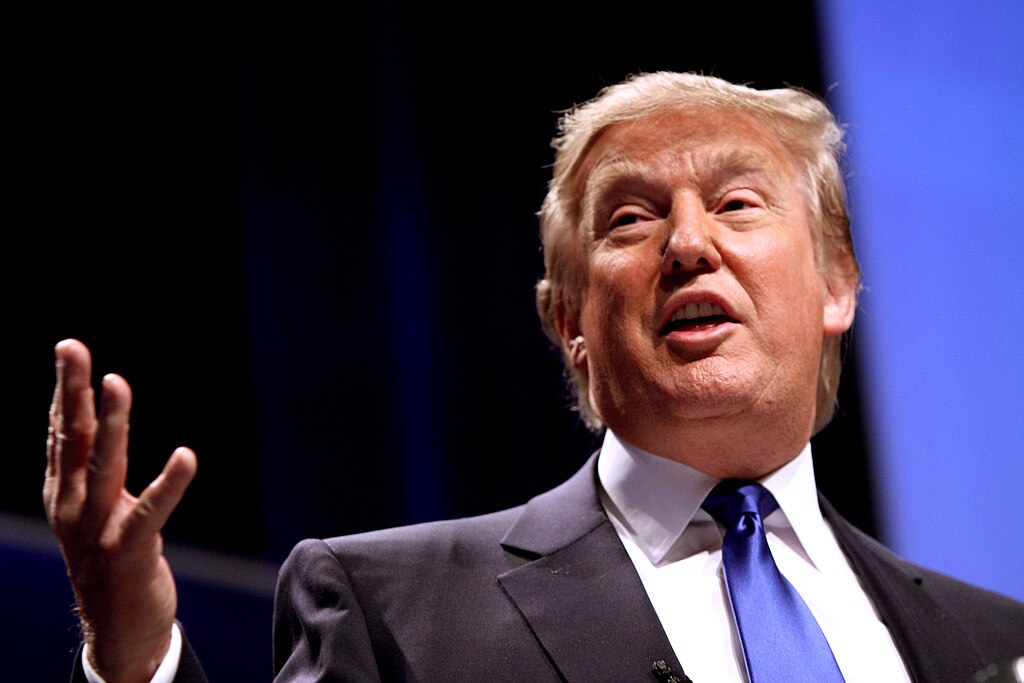
President Donald Trump has called for the repeal of the CHIPS Act, a 2022 bipartisan law that allocated $52.7 billion in subsidies to boost U.S. semiconductor manufacturing. Speaking before Congress on Tuesday, Trump criticized the legislation, claiming it wastes taxpayer money and fails to deliver results.
"The CHIPS Act is a horrible, horrible thing," Trump stated. "We give hundreds of billions of dollars, and it doesn’t mean a thing. They take our money and don’t spend it." He urged lawmakers to eliminate the program and redirect any remaining funds toward reducing national debt.
The CHIPS Act was designed to strengthen domestic semiconductor production, reduce reliance on foreign supply chains, and enhance national security. Supporters argue it is crucial for maintaining U.S. competitiveness in the global tech industry, particularly against China. However, critics, including Trump, claim the subsidies lack oversight and do not guarantee effective investment.
Trump’s remarks come amid broader discussions on government spending and debt reduction, with Republicans pushing for cuts to federal programs. His opposition to the CHIPS Act signals a potential policy shift if he secures re-election, aligning with his “America First” economic stance.
The semiconductor industry has yet to respond to Trump’s comments, but many companies previously supported the CHIPS Act, citing its role in job creation and tech innovation. As political debates continue, the future of U.S. semiconductor subsidies remains uncertain.
Trump’s call to scrap the CHIPS Act adds another layer to ongoing budget battles in Washington, setting the stage for potential legislative changes in the coming months.







