


 Pentagon and Anthropic Clash Over AI Safeguards in National Security Use
  US Pushes Ukraine-Russia Peace Talks Before Summer Amid Escalating Attacks
  Trump Orders DHS to Avoid Protests in Democratic Cities Unless Federal Assets Are Threatened
  Ohio Man Indicted for Alleged Threat Against Vice President JD Vance, Faces Additional Federal Charges
  Trump Threatens 50% Tariff on Canadian Aircraft Amid Escalating U.S.-Canada Trade Dispute
  Trump Administration Sued Over Suspension of Critical Hudson River Tunnel Funding
  Israel Approves West Bank Measures Expanding Settler Land Access
  Trump Signs “America First Arms Transfer Strategy” to Prioritize U.S. Weapons Sales
  Trump Administration Expands Global Gag Rule, Restricting U.S. Foreign Aid to Diversity and Gender Programs
  RFK Jr. Overhauls Federal Autism Panel, Sparking Medical Community Backlash
  Trump Says “Very Good Talks” Underway on Russia-Ukraine War as Peace Efforts Continue
  FDA Targets Hims & Hers Over $49 Weight-Loss Pill, Raising Legal and Safety Concerns
  U.S. to Begin Paying UN Dues as Financial Crisis Spurs Push for Reforms
  New York Legalizes Medical Aid in Dying for Terminally Ill Patients
  Panama Supreme Court Voids Hong Kong Firm’s Panama Canal Port Contracts Over Constitutional Violations
  U.S. Lawmakers to Review Unredacted Jeffrey Epstein DOJ Files Starting Monday


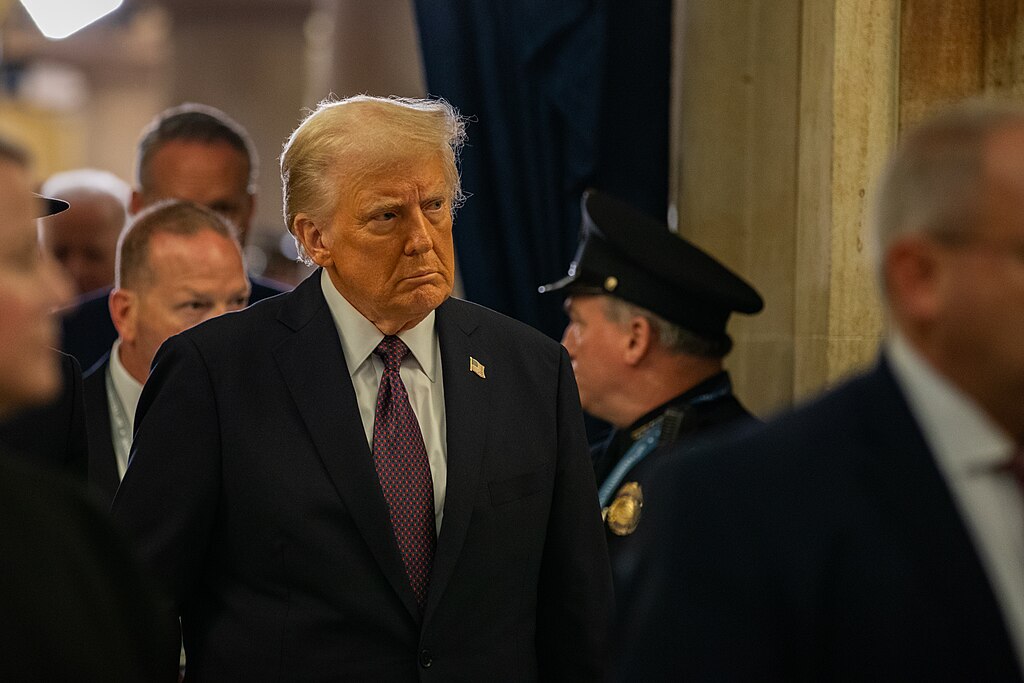
On his first day back in office, U.S. President Donald Trump signed a series of executive orders addressing key priorities, including immigration, energy, and regulatory reforms. Trump announced the reversal of 78 executive actions from the previous administration, pledging to preserve records of political investigations under President Biden.
Trump ordered freezes on federal hiring and new regulations while mandating government employees return to in-person work. These measures aim to streamline government operations and reduce bureaucracy.
Energy policies took center stage as Trump declared a national energy emergency, emphasizing oil reserves and rejecting renewable energy initiatives like wind farms. He also confirmed U.S. withdrawal from the Paris climate agreement, citing a commitment to prioritize American interests.
Immigration reforms included declaring a national emergency at the U.S.-Mexico border, enhanced deportation measures, and the potential targeting of birthright citizenship. Trump also ended the Biden-era CBP One program that allowed migrants to legally schedule border entry appointments.
Trade policies included evaluating tariffs on global imports, with a focus on China, Mexico, and Canada. Trump aims to enforce stricter trade regulations to address deficits and protect American jobs.
Other directives rolled back diversity programs and transgender rights in the military and schools. Trump also vowed to prohibit transgender participation in women’s sports and end federal support for gender transition care.
Additionally, the president is preparing to pardon non-violent participants in the January 6 Capitol attack, signaling a controversial start to his term.
These actions highlight Trump’s effort to reshape federal policies swiftly, focusing on energy independence, immigration control, and reducing government size. Critics warn of potential social and economic repercussions, while supporters applaud his decisive return.













