


 Federal Judge Orders Trump Administration to Facilitate Return of Deported Honduran Student
  U.S.–Taiwan Trade Agreement Sets 15% Tariff, Boosts Energy and Semiconductor Investment
  Anduril Eyes $60 Billion Valuation in New Funding Round to Expand Defense Manufacturing and Autonomous Fighter Jet Development
  House Votes to End Trump’s Canada Tariff Emergency, Senate Showdown Looms
  Trump Maritime Action Plan Targets U.S. Shipbuilding Revival and Port Fee Funding
  Trump Signals Urgency for U.S.-Iran Deal, Warns of “Traumatic” Consequences Without Agreement
  Munich Security Conference 2026: Transatlantic Tensions, Ukraine War and Europe’s Strategic Shift
  Trump Urges Pardon for Netanyahu Amid Ongoing Corruption Trial
  Peru Congress Schedules Debate on Motion to Remove President Jose Jeri Amid Scandal
  Trump Pushes Voter ID Executive Order Ahead of November Midterm Elections
  Trump Signals Possible Regime Change in Iran as U.S. Deploys Second Aircraft Carrier to Middle East
  Democrats Accuse Trump of Weakening U.S. Tech Security Measures Against China
  U.S.-Iran and Russia-Ukraine Talks Set for High-Stakes Geneva Meeting
  Tarique Rahman Poised to Become Bangladesh Prime Minister After Landmark Election Victory
  Starmer Proposes Joint Defense Procurement Plan to Cut UK and NATO Rearmament Costs
  US Lawmakers Urge Taiwan to Boost Defence Spending Amid Rising China Threat
  Trump Administration Sues Harvard Over Alleged Race-Based Admissions Practices


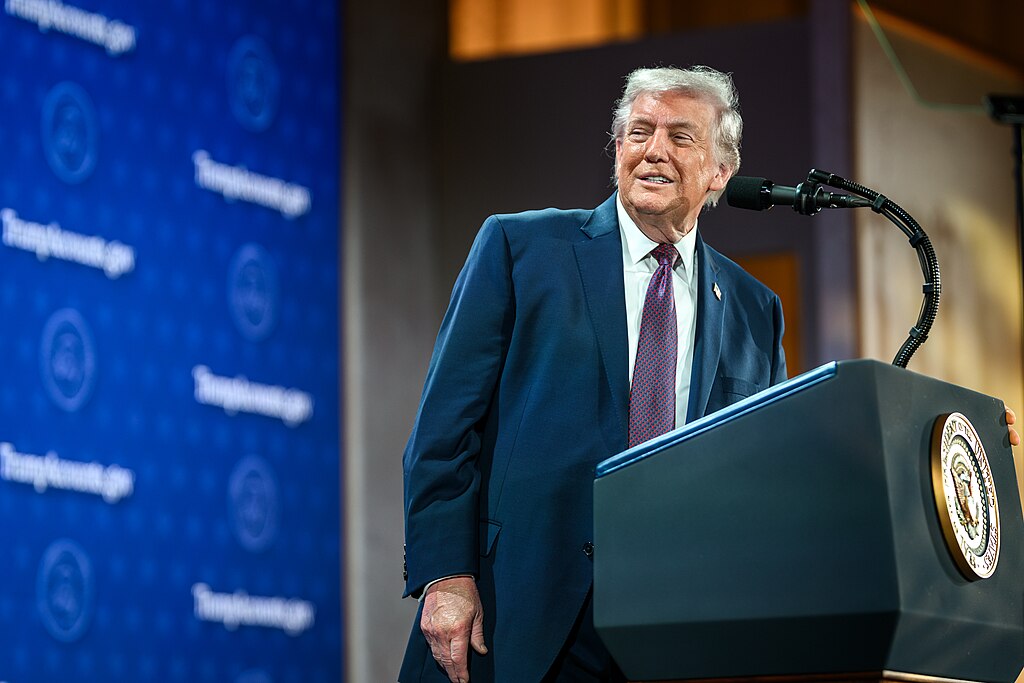
President Donald Trump told U.S. troops at Fort Bragg on Friday that Iran has been “difficult” in ongoing nuclear negotiations, signaling that stronger measures may be required to secure a peaceful resolution. Speaking before active-duty soldiers at the North Carolina Army base, Trump suggested that projecting strength—and even fear—could be necessary to break the diplomatic deadlock with Tehran.
“They’ve been difficult to make a deal,” Trump said, referring to Iran’s stance in the nuclear talks. “Sometimes you have to have fear. That’s the only thing that really will get the situation taken care of.” His remarks came shortly after U.S. officials confirmed the deployment of a second aircraft carrier to the Middle East, reinforcing America’s military presence in the region. Trump said the move ensures the U.S. is prepared if negotiations with Iran collapse.
The comments follow renewed diplomatic efforts mediated by Oman. According to Iran’s foreign ministry, recent discussions allowed Tehran to assess Washington’s seriousness and revealed enough common ground to continue diplomacy. However, officials have not yet announced the date or location of the next round of U.S.-Iran nuclear talks.
During his address, Trump also referenced last June’s U.S. bombing of Iran’s nuclear facilities, underscoring his administration’s willingness to use military force if necessary. The president’s visit to Fort Bragg also included meetings with special forces troops involved in the January 3 operation that led to the capture of Venezuelan President Nicolas Maduro, who faces U.S. charges related to narco-terrorism and drug trafficking. Maduro denies the allegations and claims he remains Venezuela’s legitimate leader.
Fort Bragg, home to approximately 50,000 active-duty soldiers, is located in politically competitive North Carolina. The state is expected to play a pivotal role in upcoming congressional races and the 2028 presidential election. Trump used the platform to criticize Democratic opponents, warning that a shift in congressional control could weaken the U.S. military.
With public approval ratings slipping amid concerns over the cost of living, Trump is expected to increase visits to battleground states as part of his broader political strategy.













