


 Trump Rallies in Texas as Republicans Face Tight Midterm Races
  Fairshake Backs 32 Pro-Crypto House Candidates
  Trump Plans Diesel Tax Relief as Fuel Prices Hit Record Highs
  Trump Envoy Meets Sudan Army Chief in Egypt
  US Pressures Allies to Distance From Anti-Disinformation Conference
  OpenAI, Anthropic Back Mandatory AI Breach Reporting in Australia
  Pentagon Launches Autonomous Warfare Command
  US Conducts Non-Nuclear Explosion Test to Boost Nuclear Detection
  Kalshi Wins CFTC Approval for S&P 500 Perpetual Futures
  Zelenskiy Warns Russia Is Preparing Massive Attack on Ukraine
  Mike Rogers Calls for End to US-Canada Tariff War
  Trump Opens Tax-Exempt Dyed Diesel Access as Fuel Prices Surge
  Pentagon Orders Iran Strike Preparations as Trump Weighs Military Action
  Israel Tightens Pilot Security After Flydubai Incident
  Rapidus Seeks Chip Customers as Japan Pushes 2nm Semiconductor Revival
  US Government Moves $1 Billion in Bitcoin Amid Sale Speculation
  Iran Tanker Attacks Surge as Hormuz Oil Flows Near Prewar Levels


 Add as a preferred source on Google
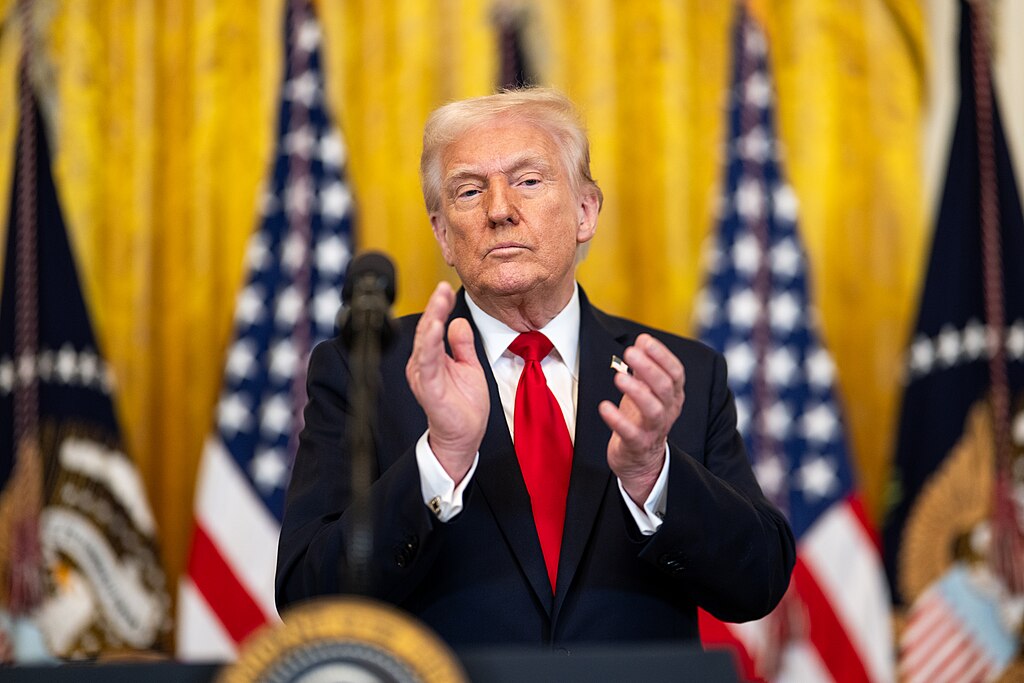
U.S. President Donald Trump announced Friday that he intends to pursue voter identification requirements for the upcoming November midterm elections, with or without congressional approval. The statement, made on Truth Social, signals a renewed push for stricter election laws and has reignited debate over federal versus state authority in U.S. elections.
Trump said he plans to issue an executive order mandating voter ID requirements but did not provide specific details or clarify the legal basis for such action. His proposal aligns with a House-passed bill backed by Republican lawmakers that would require proof of citizenship to vote in U.S. federal elections. However, the legislation is unlikely to advance in the Senate, where similar measures have previously stalled.
The voter ID bill represents the latest iteration of election reform proposals that gained traction during the 2024 presidential campaign. These efforts were largely fueled by Trump’s repeated claims that widespread voter fraud contributed to his 2020 election loss—allegations that have been widely disputed and rejected by courts. Comparable bills passed the House twice, including last April and again in 2024, but ultimately failed to secure Senate approval.
Under the U.S. Constitution, state governments are primarily responsible for administering elections, with oversight typically handled by county and local officials rather than the federal government. Legal experts note that any executive order seeking to impose nationwide voter ID requirements could face significant constitutional challenges.
Republicans currently hold narrow majorities in both the House of Representatives and the Senate. Historically, the president’s party tends to lose congressional seats during midterm elections, adding political weight to the debate over election integrity and voting regulations.
As the 2026 midterm elections approach, Trump’s executive order proposal is likely to intensify discussions surrounding voter ID laws, proof of citizenship requirements, and the balance of power between state and federal election authority.







