


 Gold Prices Steady Above $5,000 as Markets Eye Fed Minutes and PCE Inflation Data
  ECB Expands Euro Liquidity Backstop to Strengthen Global Role of the Euro
  Kim Jong Un Reviews Five-Year Achievements at North Korea’s Ninth Workers’ Party Congress
  EU Demands U.S. Honor Trade Deal After Supreme Court Blocks Trump Tariffs
  Islamic State Claims New Attacks on Syrian Army as Violence Escalates Under President Ahmed al-Sharaa
  Ukraine Secures $8.2 Billion IMF Loan as Tax Conditions Are Eased
  U.S. Inflation Cools in January as Gas Prices Fall, Core CPI Signals Sticky Price Pressures
  Yen Pulls Back After Rally as Fed Rate Cut Bets Support Dollar Stability
  China Reviews U.S. Supreme Court Tariff Ruling as Trump Signals New Import Duties
  U.S. Ambassador Charles Kushner Barred From French Government Meetings Amid Diplomatic Dispute
  Northeast Winter Storm Triggers State of Emergency, Travel Bans and Thousands of Flight Cancellations
  Merz Rejects Further Reform of Germany’s Debt Brake Ahead of 2029 Election
  Trump Raises Tariffs to 15% Under Section 122 After Supreme Court Ruling
  Asian Currencies Slip as Dollar Stabilizes Ahead of U.S. CPI Data
  Gold Prices Steady as Markets Await Key U.S. Inflation Data
  BOJ Governor Ueda Meets PM Takaichi as Markets Eye Possible Rate Hike
  U.S. Stock Futures Slip as Tech Stocks Tumble Ahead of Key CPI Inflation Data


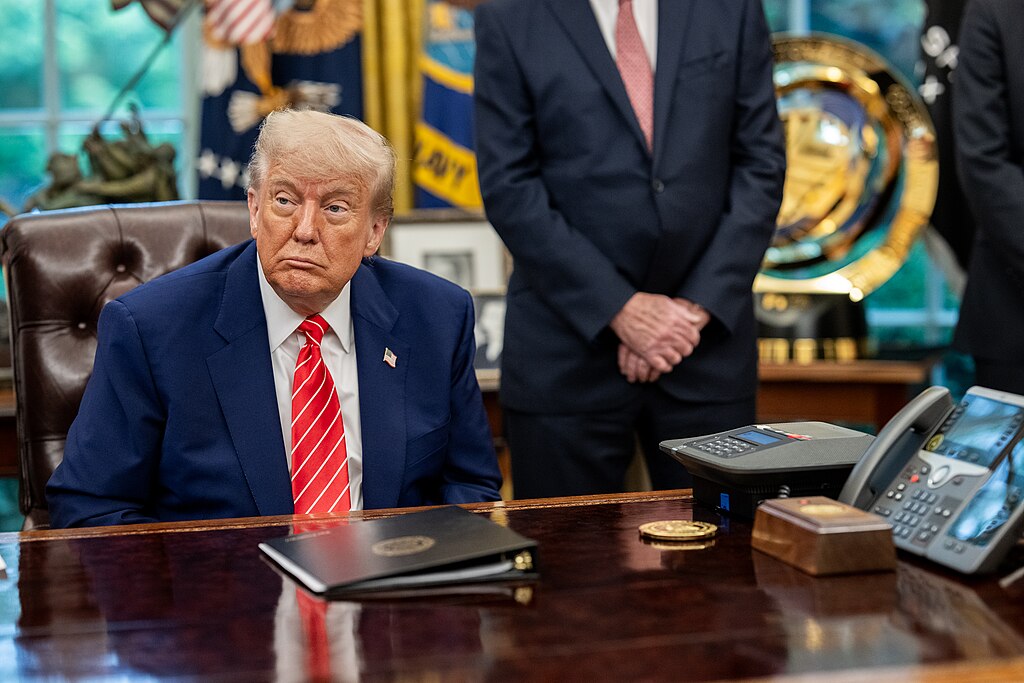
U.S. President Donald Trump is reportedly considering a new round of national security tariffs targeting several major industries after a recent Supreme Court ruling deemed many of his previous levies illegal. According to a Wall Street Journal report citing sources familiar with the matter, the proposed tariffs could affect sectors including large-scale batteries, cast iron and iron fittings, plastic piping, industrial chemicals, as well as power grid and telecommunications equipment.
The potential move signals a renewed effort by the Trump administration to reshape U.S. trade policy and strengthen domestic manufacturing. The new tariffs would reportedly be imposed under Section 232 of the Trade Expansion Act of 1962. This provision grants the president broad authority to restrict imports if they are determined to threaten U.S. national security. Trump has previously used Section 232 to levy tariffs on steel, aluminum, copper, and automobile parts—measures that remain in place and were not impacted by the Supreme Court’s recent decision.
Last week’s ruling limited parts of Trump’s earlier tariff strategy, prompting the administration to explore alternative legal avenues. In response, Trump also announced new 15% tariffs that can remain in effect for up to 150 days without congressional approval. These measures are separate from the proposed Section 232 tariffs currently under consideration.
If implemented, the new tariffs could have significant implications for global trade, supply chains, and the broader U.S. economy. Industries tied to energy infrastructure, telecommunications, and industrial manufacturing may face higher import costs, potentially influencing pricing and investment decisions. Supporters argue the tariffs would protect critical supply chains and enhance national security, while critics warn of potential retaliation and higher costs for American businesses and consumers.
As trade tensions evolve, investors and market participants are closely monitoring developments in U.S. tariff policy and its potential impact on economic growth, inflation, and international trade relations.













