


 Trump’s Inflation Claims Clash With Voters’ Cost-of-Living Reality
  Netanyahu to Meet Trump in Washington as Iran Nuclear Talks Intensify
  Nicaragua Ends Visa-Free Entry for Cubans, Disrupting Key Migration Route to the U.S.
  Bangladesh Election 2026: A Turning Point After Years of Political Suppression
  India–U.S. Interim Trade Pact Cuts Auto Tariffs but Leaves Tesla Out
  Japan Election 2026: Sanae Takaichi Poised for Landslide Win Despite Record Snowfall
  Trump Says “Very Good Talks” Underway on Russia-Ukraine War as Peace Efforts Continue
  China Warns US Arms Sales to Taiwan Could Disrupt Trump’s Planned Visit
  Federal Judge Restores Funding for Gateway Rail Tunnel Project
  Sydney Braces for Pro-Palestine Protests During Israeli President Isaac Herzog’s Visit
  Anutin’s Bhumjaithai Party Wins Thai Election, Signals Shift Toward Political Stability
  Trump Lifts 25% Tariff on Indian Goods in Strategic U.S.–India Trade and Energy Deal
  Antonio José Seguro Poised for Landslide Win in Portugal Presidential Runoff
  Ohio Man Indicted for Alleged Threat Against Vice President JD Vance, Faces Additional Federal Charges
  China Overturns Death Sentence of Canadian Robert Schellenberg, Signaling Thaw in Canada-China Relations
  Taiwan Says Moving 40% of Semiconductor Production to the U.S. Is Impossible
  Trump Backs Nexstar–Tegna Merger Amid Shifting U.S. Media Landscape


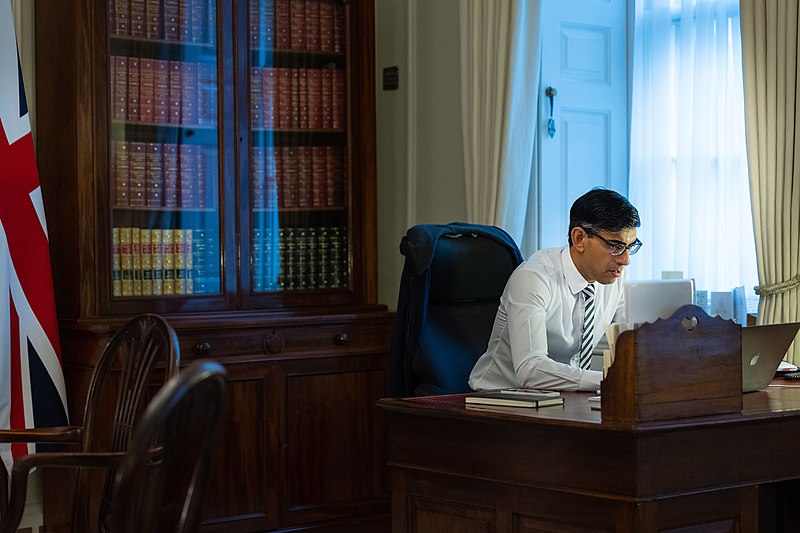
British Prime Minister will reportedly unveil the planned new anti-strike laws this week, as strikes in several sectors have rocked the country. The new laws may make taking industrial action illegal should the minimal service needs are not met.
A report by The Times said Sunak plans to unveil the plans for new laws that could curb strikes as soon as Thursday, as ministers plan to make taking such actions illegal if the minimal service needs are not met. The planned legislation would force minimum service levels in six sectors, including health, rail, education, fire, and border security sectors, which need a portion of union workers to continue working.
The strikes would become illegal if unions refused to provide the minimum level of service, according to the report, citing a government source familiar with the matter. Employers would be able to sue unions and dismiss staff under the plans to curb strikes.
While Sunak’s office did not comment, Sunak on Wednesday said the next steps of the government would be detailed “in the coming days.”
Opposition Labour Party leader Keir Starmer said that should the Labour Party win in the 2024 elections, such laws would be repealed.
“We’ll look at what they bring forward, but if it’s further restrictions, then we will repeal the law,” Starmer told a question and answer session after his speech on Thursday. “I do not think that legislation is the way that you bring an end to industrial disputes. You have to get in the room and compromise.”
On Thursday, British foreign minister James Cleverly said work is moving “pretty fast” to resolve the ongoing dispute with the European Union over the Northern Ireland Protocol, the post-Brexit trade agreement between the United Kingdom and the bloc. Following a meeting with his German counterpart, Annalena Baerbock.
“We are moving fast and doing a huge amount of good work. We very, very much welcome the…much more constructive tone in the conversations that we’ve had between the UK and the Commission,” said Cleverly during a news conference, referring to the bloc’s executive branch.
Baerbock said the EU was prepared to be flexible on the issue, echoing the positive tone in the discussions between the bloc and the UK.













