


 Trump Administration Seeks Emergency Order to Resume White House Ballroom Construction
  Taiwan Opposition Leader's China Visit: A Peace Mission Amid Rising Tensions
  Trump Endorses Steve Hilton for California Governor
  Indonesia Files Genocide Case Against Myanmar's Min Aung Hlaing Over Rohingya Crisis
  Trump-Xi Summit 2026: U.S.-China Trade War Tensions and Tariff Talks
  Iran-US Ceasefire Talks: Pakistan Brokers "Islamabad Accord" to Reopen Strait of Hormuz
  U.S. and Iran Edge Toward Potential 45-Day Ceasefire Amid Escalating Tensions
  Giuffre Family Urges King Charles to Meet Epstein Survivors During U.S. State Visit
  China's Anti-Corruption Purge Reaches New Heights as Politburo Shrinks to 25-Year Low
  U.S. F-15E Shot Down Over Iran: One Crew Member Recovered Amid Escalating Conflict
  Iran Tightens Grip on Strait of Hormuz as Israel Prepares Strikes and Oil Markets Spiral
  How will the Iran war change the Middle East? We asked 5 experts
  U.S. Commandos Execute Daring Rescue Mission Deep Inside Iran
  Trump Issues Deadline for Iran to Reopen Strait of Hormuz Amid Escalating Conflict
  Kim Jong Un's Daughter Emerges as North Korea's Likely Successor, South Korean Intelligence Says
  Iran's Stranglehold on the Strait of Hormuz: What It Means for Global Markets


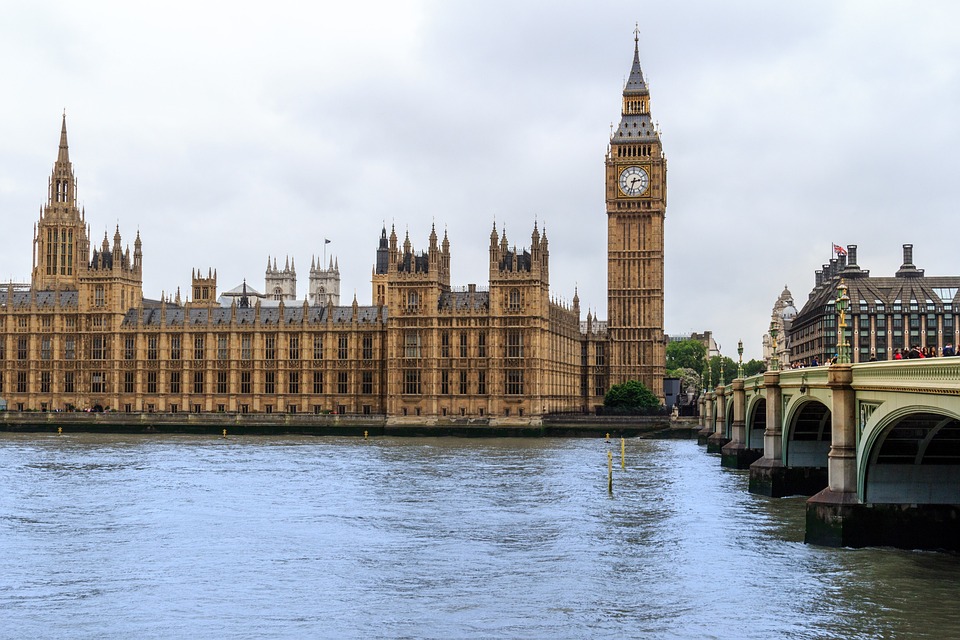
A court in London dismissed a legal challenge filed by an Uyghur rights group against the British government over the import of cotton produced in China’s Xinjiang province. The court found that the government’s approach to the law regarding the goods was “legally sound.”
Judge Ian Dove dismissed the legal challenge filed by the World Uyghur Congress against the British government on Friday last week. The WUC, made up of exiled Uyghur Muslim groups, took legal action against the United Kingdom’s Home Office, the HMRC, and the National Crime Agency. In a written ruling, Dove said that all legal challenges by the WUC were dismissed.
While Dove acknowledged that there was “clear and undisputed evidence of instances of cotton being manufactured in the XUAR by the use of detained and prison labor as well as by forced labor,” the Home Office’s approach to the law regarding the goods was “legally sound.” Dove also ruled that the stance of the HMRC tax authority and the National Crime Agency’s approach to the law was correct.
Dove referred to the Xinjiang province's initials of its formal name, the Xinjiang Uyghur Autonomous Region.
Rights groups have long accused China of widespread human rights abuses of the Uyghur Muslim minorities, 10 million of which reside in Xinjiang. Such accusations include forced labor camps. Beijing has denied the allegations.
In October, the WUC argued that the Home Office wrongly refused to launch an investigation into imports of foreign prison-made goods. The WUC also argued that the HRMC and the National Crime Agency failed to determine whether cotton imported from Xinjiang amounted to “criminal property.”
Lawyers that represent the British government argued that there must be a clear link between the “alleged criminality and its specific product” to probe into whether goods were made in a foreign prison.
Monday last week, London’s High Court granted permission to a group of migrants seeking asylum to file an appeal to overturn the court’s decision that was in favor of the British government’s planned deportations of migrants to Rwanda. The court upheld the legal challenges filed by eight individual asylum seekers on various grounds, including an appeal arguing that the court was wrong to decide that the forced deportation policy was not “systematically unfair.”







