


 Oil Prices Edge Higher as US-Iran Tensions and Strong Payroll Data Shape Market Sentiment
  Asian Markets Slip as Tech Stocks Tumble Ahead of Key U.S. Inflation Data
  Japan GDP Growth Slows Sharply in Q4 2025 Amid Weak Business Spending and Trade Tensions
  Asian Stock Markets Trade in Narrow Range as Japan GDP Misses Forecasts, Hang Seng Gains
  U.S. Inflation Cools in January as Gas Prices Fall, Core CPI Signals Sticky Price Pressures
  Gold Prices Steady as Markets Await Key U.S. Inflation Data
  BOJ Governor Ueda Meets PM Takaichi as Markets Eye Possible Rate Hike
  UK House Prices Hold Steady in February as Rightmove Reports Post-Budget Market Stability
  Japan Signals Openness to Gradual BOJ Rate Hikes as Deflation Era Ends
  Yen Surges After Takaichi Election Win as Markets Eye U.S. Inflation Data
  MOEX Russia Index Closes Flat as Gold Surges and Ruble Strengthens
  Asian Currencies Slip as Dollar Stabilizes Ahead of U.S. CPI Data
  U.S.–Taiwan Trade Agreement Sets 15% Tariff, Boosts Energy and Semiconductor Investment
  U.S. Stocks End Mixed as January CPI Cools, Treasury Yields Slide
  Ukraine Secures $8.2 Billion IMF Loan as Tax Conditions Are Eased


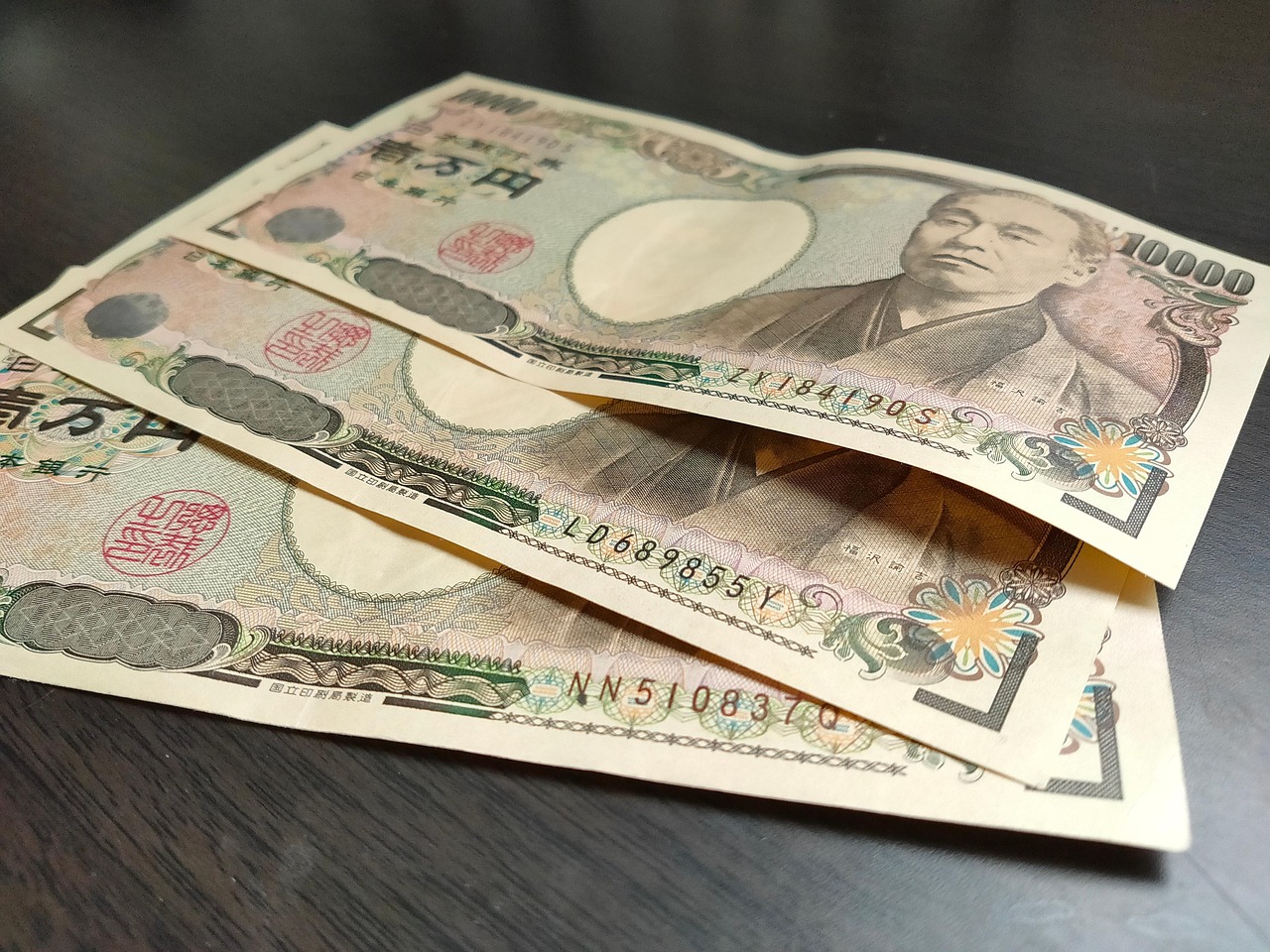
U.S. authorities reportedly took the initiative in January to conduct “rate checks” aimed at stabilizing the Japanese yen, according to a Nikkei newspaper report citing unnamed U.S. government sources. The move highlights growing concerns in Washington over foreign exchange market volatility and its potential impact on global financial markets.
The rate checks were carried out by the New York Federal Reserve on behalf of the U.S. Treasury Department. Notably, the action was taken without a formal request from Japan’s Ministry of Finance, signaling proactive involvement by U.S. officials in monitoring currency market conditions. Such rate checks are typically viewed as a preliminary step toward potential foreign exchange intervention.
According to the report, U.S. Treasury Secretary Scott Bessent led the effort due to concerns that political uncertainty ahead of Japan’s general election could destabilize financial markets. Officials feared that sharp fluctuations in the yen exchange rate might trigger broader market turbulence, affecting not only Japan’s economy but also global investors and currency markets worldwide.
The Nikkei said U.S. authorities were prepared to move toward coordinated yen-buying intervention if Tokyo formally requested support. A senior official close to Bessent indicated that Washington had considered direct intervention in the foreign exchange market to help prop up the yen should conditions deteriorate further.
Currency intervention, particularly coordinated action between major economies like the United States and Japan, can significantly influence exchange rates and investor sentiment. While no joint intervention ultimately occurred, the reported readiness underscores the strategic importance of the yen in global finance and the close cooperation between U.S. and Japanese monetary authorities.
Japan’s Ministry of Finance did not immediately comment on the report. Investors will likely continue monitoring developments in U.S.-Japan currency policy and any future signals of potential foreign exchange intervention.













