


 San Francisco Halts New Data Center Construction With 45-Day Moratorium
  US, Greece Launch New Counterterrorism Security Program
  Trump Weighs FBI Probe Into Nolan Wells’ Death
  Mexico Bars Dual Citizens From Presidential Races Starting in 2028
  Trump Plans Diesel Tax Relief as Fuel Prices Hit Record Highs
  Merz Warns of Extremism After AfD Gains Power in Saxony-Anhalt
  US Waives $320M Egypt Military Aid Conditions After Iran War Role
  OpenAI, Anthropic Back Mandatory AI Breach Reporting in Australia
  Tsai Warns of China’s Sustained Pressure on Taiwan
  Pentagon Launches Autonomous Warfare Command
  North Korea Slams US Taiwan Arms Sales, Reaffirms Russia Support
  Russia Targets Danish Ukraine Suppliers in Sabotage Campaign
  New York Declares Measles Disaster Emergency as Cases Surge
  Maduro, Wife May Face New US Torture Charges
  US DOT Ends Airline Privacy Review Without Enforcement
  SEC Investor Reform Validates Barry Silbert’s Tokenization Vision
  Iran Tanker Attacks Surge as Hormuz Oil Flows Near Prewar Levels


 Add as a preferred source on Google
The Trump administration has approved over $8.6 billion in military sales to key Middle East allies, including Israel, Qatar, Kuwait, and the United Arab Emirates, bypassing the usual congressional review process. This move comes during a period of heightened geopolitical instability, as tensions linked to the ongoing conflict involving Iran continue to impact regional security dynamics.
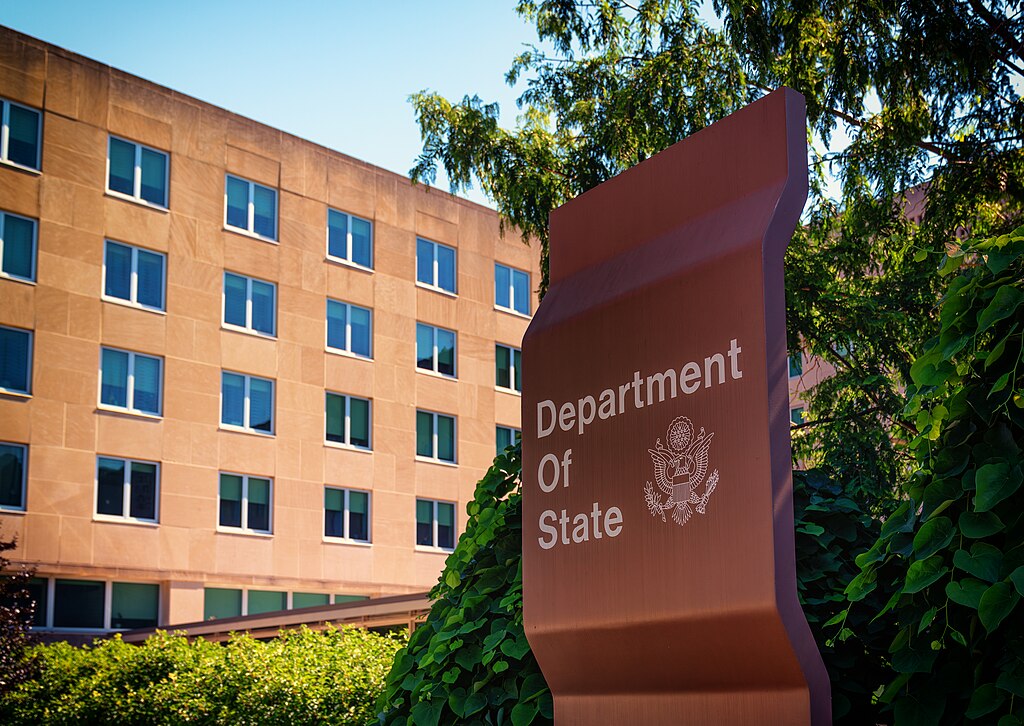
According to reports, the U.S. State Department invoked emergency authority to accelerate the approval process, with Secretary of State Marco Rubio stating that urgent circumstances required immediate action. This decision enables faster deployment of advanced defense systems to allied nations, reinforcing U.S. strategic partnerships in the region.
The largest portion of the deal includes a $4.01 billion Patriot missile defense system replenishment for Qatar, alongside $992.4 million worth of Advanced Precision Kill Weapon Systems (APKWS). Kuwait is set to receive an integrated battle command system valued at $2.5 billion, while Israel will acquire APKWS equipment worth nearly $1 billion. The United Arab Emirates is also included in the package, with a $147.6 million APKWS sale.
These defense agreements follow a series of escalations that began on February 28, when U.S. and Israeli forces launched strikes against Iran, triggering retaliatory attacks on Israel and Gulf states hosting American military bases. Although a ceasefire has been in place for several weeks, the situation remains fragile, prompting Washington to strengthen regional defense capabilities.
Major defense contractors such as BAE Systems, RTX (formerly Raytheon Technologies), Lockheed Martin, and Northrop Grumman are key players in fulfilling these contracts. Their involvement highlights continued global demand for U.S. military technology and defense solutions.
While the administration’s actions have drawn criticism over human rights concerns in partner nations, officials argue that prioritizing regional stability and security is essential. The expedited arms sales reflect a broader U.S. strategy to counter emerging threats and maintain influence in a strategically critical region.







