


 Netanyahu to Meet Trump in Washington as Iran Nuclear Talks Intensify
  Trump Backs Nexstar–Tegna Merger Amid Shifting U.S. Media Landscape
  Bangladesh Election 2026: A Turning Point After Years of Political Suppression
  Bosnian Serb Presidential Rerun Confirms Victory for Dodik Ally Amid Allegations of Irregularities
  China Warns US Arms Sales to Taiwan Could Disrupt Trump’s Planned Visit
  Trump Allows Commercial Fishing in Protected New England Waters
  Trump’s Inflation Claims Clash With Voters’ Cost-of-Living Reality
  Nicaragua Ends Visa-Free Entry for Cubans, Disrupting Key Migration Route to the U.S.
  US Pushes Ukraine-Russia Peace Talks Before Summer Amid Escalating Attacks
  Anutin’s Bhumjaithai Party Wins Thai Election, Signals Shift Toward Political Stability
  Federal Judge Restores Funding for Gateway Rail Tunnel Project
  Trump Says “Very Good Talks” Underway on Russia-Ukraine War as Peace Efforts Continue
  New York Legalizes Medical Aid in Dying for Terminally Ill Patients
  U.S.-India Trade Framework Signals Major Shift in Tariffs, Energy, and Supply Chains
  Trump Administration Appeals Court Order to Release Hudson Tunnel Project Funding
  Japan Election 2026: Sanae Takaichi Poised for Landslide Win Despite Record Snowfall


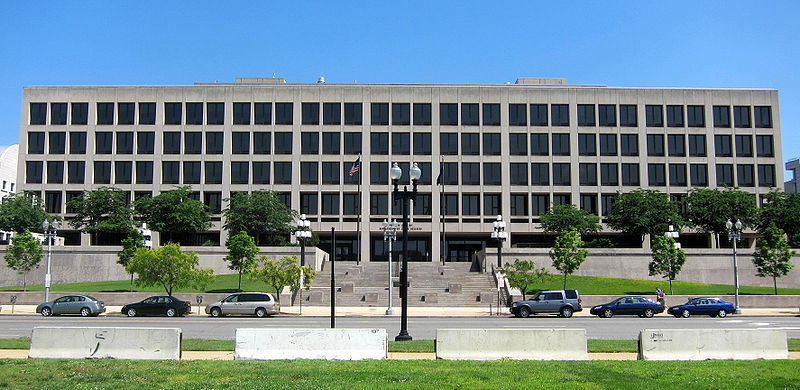
A bipartisan group of US lawmakers introduced legislation this week that would raise penalties on employers who breach child labor laws. The legislation follows reports and federal probes into the matter, finding an increasing number of companies hiring underage migrant workers.
On Wednesday, a bipartisan group of lawmakers introduced legislation in the House of Representatives that would increase penalties on companies that breach child labor laws. The legislation this week follows a similar Democratic-led effort that was introduced in the Senate. The labor department has also taken steps to increase the implementation of child labor violations while calling on Congress to raise penalties.
The latest legislation would ensure that agencies would have the resources needed to enforce federal child labor laws, according to Democratic Rep. Hillary Scholten, who introduced the bill with Republican Rep. Nancy Mace. Scholten cited reports by Reuters and the New York Times last year as what prompted her to introduce such legislation.
Current federal laws say the maximum civil monetary policy for violations of child labor laws would be $15,138 per child.
“Children should be in school,” said Scholten. “Not factories with dangerous working conditions.”
Scholten said she is coordinating with other lawmakers in the House and the Senate on the legislation. Earlier this month, six Democratic Senators led by Senator Brian Schatz introduced a similar bill that would increase civil fines and impose stronger criminal penalties for repeat or deliberate violations.
The Reuters reports last year found that migrant children, some of which are as young as 12 years old, were manufacturing car parts at suppliers to South Korean auto brand Hyundai in Alabama and also working in chicken processing plants there. The New York Times reported this year that migrant children were working in factories for major US brands across the country.
The labor department also saw an increase of almost 70 percent in child labor violations since 2018.
On Thursday, the Republican-controlled House passed a GOP-led energy reform legislation that aimed to boost US oil and gas production while scaling back climate initiatives, marking the first major legislation under House Speaker Kevin McCarthy. The bill passed on a mostly partisan vote of 225-204. However, the bill stands a slim chance of passing the Democratic-led Senate, where Senate Majority Leader Chuck Schumer said the legislation was “dead on arrival.”













