


 U.S.-India Trade Framework Signals Major Shift in Tariffs, Energy, and Supply Chains
  U.S. Stock Futures Slide as Tech Rout Deepens on Amazon Capex Shock
  Pentagon Ends Military Education Programs With Harvard University
  Trump Lifts 25% Tariff on Indian Goods in Strategic U.S.–India Trade and Energy Deal
  Anutin’s Bhumjaithai Party Wins Thai Election, Signals Shift Toward Political Stability
  China Warns US Arms Sales to Taiwan Could Disrupt Trump’s Planned Visit
  Bank of Japan Signals Readiness for Near-Term Rate Hike as Inflation Nears Target
  Trump Signs Executive Order Threatening 25% Tariffs on Countries Trading With Iran
  Trump’s Inflation Claims Clash With Voters’ Cost-of-Living Reality
  Asian Stocks Slip as Tech Rout Deepens, Japan Steadies Ahead of Election
  Singapore Budget 2026 Set for Fiscal Prudence as Growth Remains Resilient
  India–U.S. Interim Trade Pact Cuts Auto Tariffs but Leaves Tesla Out
  China Extends Gold Buying Streak as Reserves Surge Despite Volatile Prices
  Gold and Silver Prices Slide as Dollar Strength and Easing Tensions Weigh on Metals
  Oil Prices Slide on US-Iran Talks, Dollar Strength and Profit-Taking Pressure
  South Korea’s Weak Won Struggles as Retail Investors Pour Money Into U.S. Stocks
  U.S. to Begin Paying UN Dues as Financial Crisis Spurs Push for Reforms


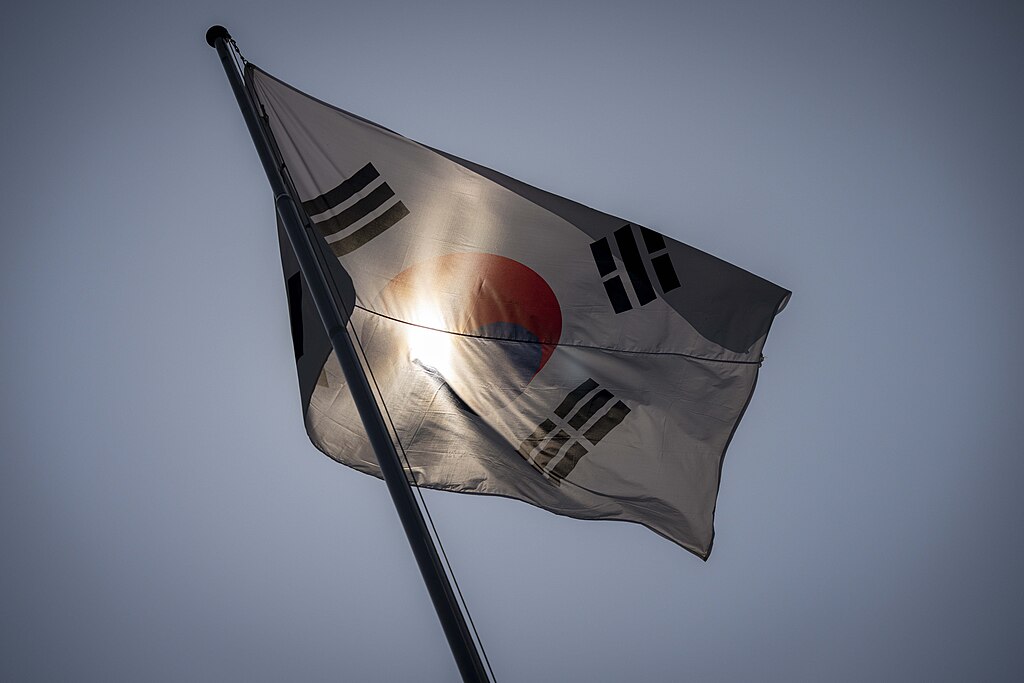
The United States and South Korea have reached an agreement to ensure foreign exchange interventions are reserved only for addressing excessive volatility, rather than influencing exchange rates for competitive advantage. The joint statement, released Wednesday, mirrors a similar commitment made last month between Washington and Tokyo, though it does not include a bilateral currency swap line that Seoul had requested.
Both nations emphasized compliance with the IMF Articles of Agreement, pledging to avoid manipulating exchange rates or the international monetary system to gain unfair trade advantages. The agreement highlights that any macroprudential or capital flow measures must not be used to target exchange rates for competitiveness.
Unlike the U.S.-Japan pact, the statement with Seoul did not explicitly stress that exchange rates should remain “market determined.” Instead, South Korea underscored ongoing efforts to maintain currency market stability. The two sides also clarified that government investment vehicles allocate assets abroad for diversification and returns, not to influence currency movements.
Washington has raised concerns in recent reports about South Korea’s National Pension Service (NPS), one of the world’s largest pension funds, and its growing foreign assets. Some market participants fear the NPS could be perceived as a currency intervention tool. South Korea was already on the U.S. Treasury’s monitoring list, with attention drawn to its foreign asset expansion and swap line with the Bank of Korea.
To enhance transparency, Seoul agreed to share details of its foreign exchange intervention operations with Washington on a monthly basis. Public disclosures will remain quarterly with a three-month delay. Additionally, South Korea will continue releasing data on foreign reserves, forward positions, and the currency composition of central bank reserves.
The agreement comes amid stalled trade talks tied to a $350 billion South Korean investment in the U.S. The won has already weakened 3% in the second half of the year, hovering near the key 1,400-per-dollar level, reflecting investor concerns over ongoing trade negotiations.













