


 Gold Price Holds Near $4,000 as Middle East Tensions and Fed Rate Hike Bets Grow
  UBS Starts CarTrade Tech With Buy Rating, Sees Strong Earnings Growth and ₹4,000 Target
  DOJ Grand Jury Investigates UAW President Shawn Fain Ahead of Union Election
  Brazil Court Bars Flavio Bolsonaro From Visiting Jair Bolsonaro Ahead of Election
  New Mexico AG Accuses DOJ of Delaying Jeffrey Epstein Ranch Investigation
  China Trade Surplus Hits $125.6 Billion as June Exports, Imports Smash Forecasts
  US Inflation Expected to Ease in June, but Fed Rate Hike Risks Persist Amid Middle East Tensions
  Goldman AM Sees Strong Buyout Opportunities in Japan, South Korea and Australia
  Asia Stocks Slip as Iran-Hormuz Tensions Lift Oil Prices, Dollar and Bond Yields
  Muji Owner Ryohin Keikaku Stock Soars After Raising Full-Year Earnings Forecast
  DOJ Seeks Dismissal of Gautam Adani Bribery Case, Citing Foreign Scope
  Oil Prices Surge as U.S.-Iran Conflict Escalates and Strait of Hormuz Risks Grow
  Amy Coney Barrett Faces Conservative Backlash After Key Supreme Court Rulings Against Trump
  Deutsche Bank Sees Global Capital Shifts Reshaping Long-Term U.S. Dollar Outlook
  Japanese Yen Holds Steady as Intervention Hopes Grow Ahead of U.S. CPI Data
  Australia Sues Amazon Over Prime Video Ads and Subscription Terms


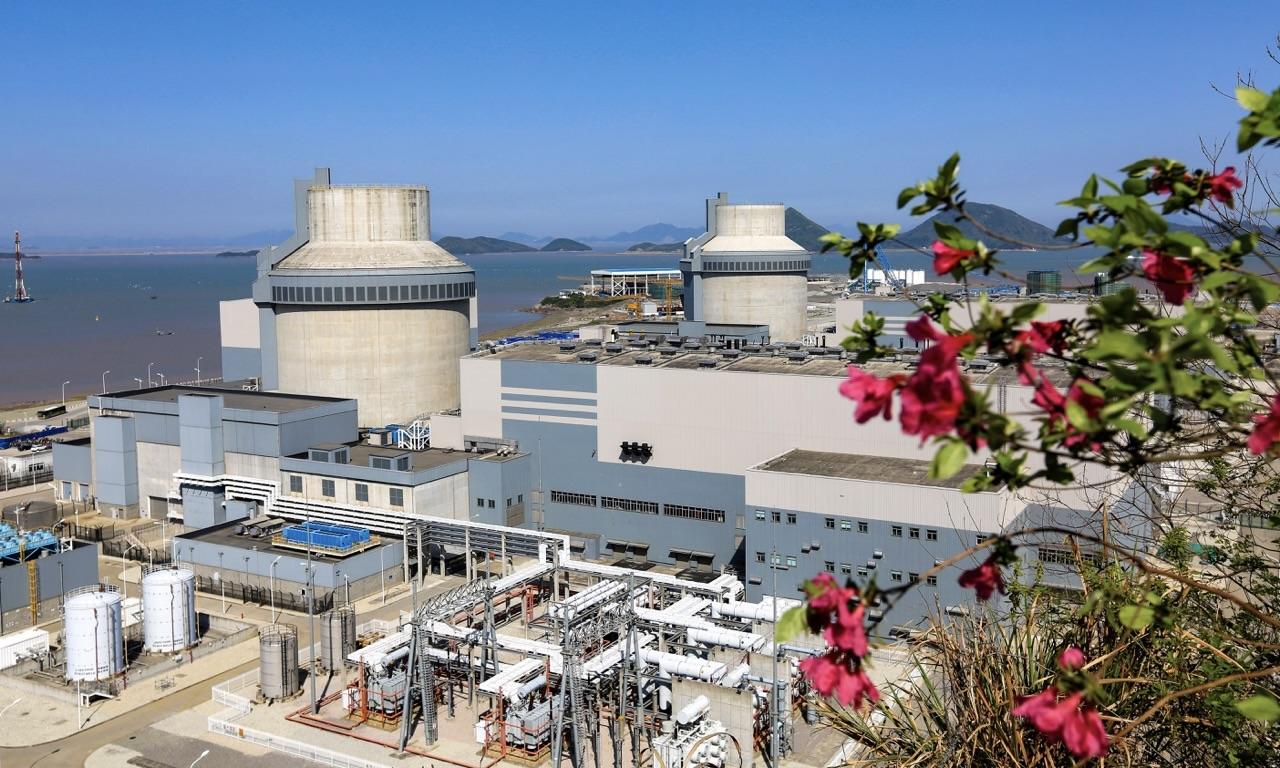
Korea Hydro & Nuclear Power Co. (KHNP) and Westinghouse Electric Corp. have escalated their nuclear technology dispute to the International Chamber of Commerce. The fallout from their disagreement over South Korea's nuclear reactor exports to Poland may cost hundreds of millions of dollars.
According to nuclear and legal industry sources, this move comes after their attempts to reach an out-of-court settlement failed.
The International Chamber of Commerce, chaired by Nicholas Fletcher, is now evaluating the damages claimed by each side, which could amount to several hundred million dollars. The dispute began when Westinghouse filed complaints against KHNP and its parent company, Korea Electric Power Corp., in a US court last October. Their goal was to prevent the exports of nuclear power reactors to Poland.
This action was taken shortly after KHNP signed a letter of intent with Poland's state-run power company Polska Grupa Energetyczna (PGE) and private firm Zespol Elektrowni Patnow-Adamov-Konin (ZE PAK) to construct a nuclear power plant consisting of either two or four power units, each with a capacity of 1.4 gigawatts (GW).
Westinghouse's argument was based on the claim that the Korean nuclear reactor model, APR1400, relied on their original design and technology. Therefore, the two South Korean companies should be responsible for any damages resulting from the export of APR1400-modeled nuclear reactors.
In response, KHNP filed countersuits in the US to compel Westinghouse to withdraw the case while simultaneously seeking an out-of-court resolution. KHNP asserted that they possessed the necessary licenses to utilize the technology, enabling them to export it without the permission of the US nuclear plant developer. Consequently, they argued that they should not be held accountable for royalty payments.
Meanwhile, 33 memorandums of understanding (MoUs) were signed between South Korean and Polish companies, several of which centered around nuclear energy, during the Korea-Poland Business Forum in Warsaw.
Six of these MoUs were specifically related to nuclear power generation. At the same time, two of them were signed between Doosan Enerbility and Polish companies, focusing on constructing new nuclear power plants in Poland.
Last October, a letter of intent was signed by Poland's Ministry of State Assets, South Korea's MOTIE, Polish companies ZE PAK and PGE, and Korea Hydro & Nuclear Power (KHNP) for the development of plans for Poland's second nuclear power plant in Pątnów. This plant will consist of at least two Korean-supplied APR1400 reactors, providing a total capacity of 2800 MWe.







