


 Anutin’s Bhumjaithai Party Wins Thai Election, Signals Shift Toward Political Stability
  Trump Signs Executive Order Threatening 25% Tariffs on Countries Trading With Iran
  Jack Lang Resigns as Head of Arab World Institute Amid Epstein Controversy
  Israel Approves West Bank Measures Expanding Settler Land Access
  Trump Lifts 25% Tariff on Indian Goods in Strategic U.S.–India Trade and Energy Deal
  Antonio José Seguro Poised for Landslide Win in Portugal Presidential Runoff
  Ghislaine Maxwell to Invoke Fifth Amendment at House Oversight Committee Deposition
  Nicaragua Ends Visa-Free Entry for Cubans, Disrupting Key Migration Route to the U.S.
  Japan Election 2026: Sanae Takaichi Poised for Landslide Win Despite Record Snowfall
  Trump Says “Very Good Talks” Underway on Russia-Ukraine War as Peace Efforts Continue
  Federal Judge Restores Funding for Gateway Rail Tunnel Project
  Japan’s Prime Minister Sanae Takaichi Secures Historic Election Win, Shaking Markets and Regional Politics
  Trump Backs Nexstar–Tegna Merger Amid Shifting U.S. Media Landscape
  India–U.S. Interim Trade Pact Cuts Auto Tariffs but Leaves Tesla Out
  Trump’s Inflation Claims Clash With Voters’ Cost-of-Living Reality
  Sydney Braces for Pro-Palestine Protests During Israeli President Isaac Herzog’s Visit
  Pentagon Ends Military Education Programs With Harvard University


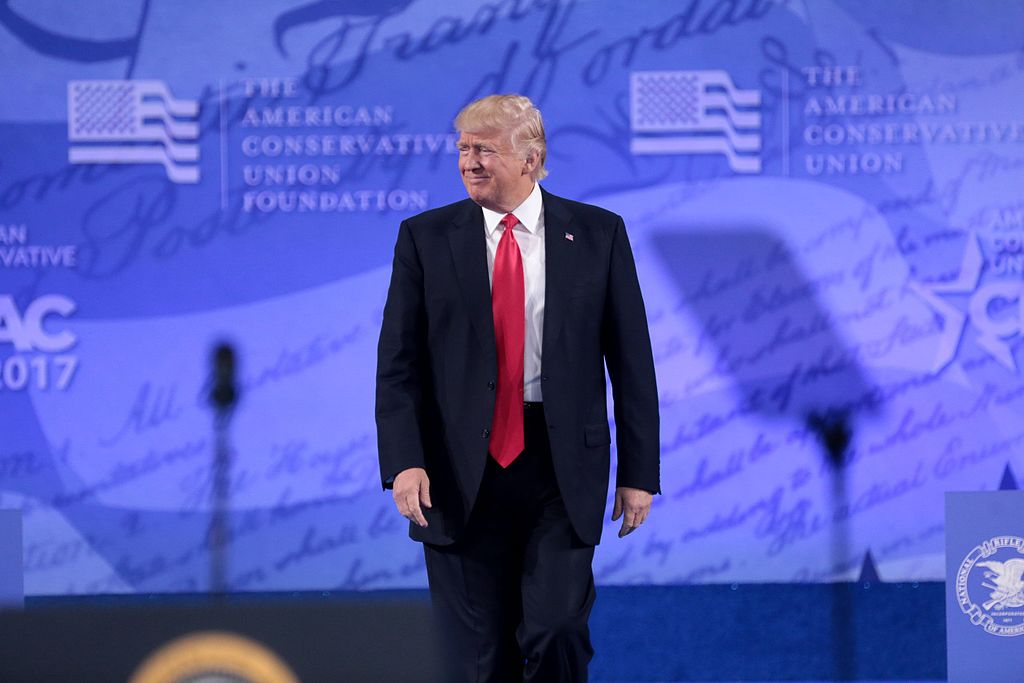
Balancing the federal budget has long been a cornerstone of fiscal responsibility in American politics, and President Donald Trump’s plans for 2025 have reignited this debate. His administration has outlined a series of proposals aimed at reducing the national deficit, but critics argue that these measures come at the expense of crucial social programs and public services.
Spending Cuts and Government Efficiency: A Double-Edged Sword?
Targeted Program Reductions
The Trump administration’s strategy to balance the federal budget heavily relies on significant cuts to non-defense discretionary spending. Programs in education, housing, and environmental protection are expected to face deep reductions. Advocates for smaller government believe these cuts will streamline bureaucracy and eliminate inefficiencies.
However, critics warn of potential consequences for vulnerable populations. Cuts to federal housing assistance programs, for instance, could exacerbate homelessness in urban areas. Similarly, reductions in education funding may affect public schools and higher education institutions, raising concerns about long-term impacts on workforce development.
Defense Spending Remains Intact
While other areas face cutbacks, Trump’s 2025 budget plan maintains robust funding for the military. The administration argues that national security is non-negotiable, especially given geopolitical tensions. This prioritization has drawn criticism from advocates of balanced spending, who believe excessive defense budgets contribute to the deficit without addressing domestic issues.
Revenue Generation: Tax Reform or Burden Redistribution?
Corporate Tax Adjustments
To offset spending reductions, the administration proposes generating revenue through changes in corporate tax policies. While exact details remain unclear, analysts speculate that Trump will push for closing tax loopholes for large corporations. Proponents argue this could level the playing field for small businesses, but skeptics question whether these measures will be sufficient to close the budget gap.
Middle-Class Tax Concerns
Trump’s tax policies have historically favored high-income earners and corporations, and there is widespread speculation that his 2025 proposals could place additional burdens on the middle class. Some experts argue that an over-reliance on tax cuts for wealthier Americans risks widening the income inequality gap further.
Netizens React: Divided Opinions Flood Social Media
- @BudgetHawk2025: “Finally, a president who takes fiscal responsibility seriously! Long overdue reforms are on the way.”
- @EducationMatters: “Cutting school budgets? That’s not balancing the budget—that’s sabotaging our children’s future!”
- @DefenseFirst: “Strong military spending is essential in these times. Critics need to understand the importance of national security.”
- @PolicyCritic: “Closing corporate loopholes sounds great, but will it actually happen? Too much rhetoric, not enough action.”
- @ProgressNow: “Slashing environmental programs while boosting defense? This isn’t balancing the budget; it’s picking winners and losers.”
- @FiscalRealist: “Balancing the budget is critical, but not at the expense of crucial social services. There must be a middle ground.”













