


 Chinese Chip Stocks Jump as Apple Reportedly Tests CXMT Memory Chips for China Devices
  OpenAI GPT-5.6 Set for Wider Release After U.S. Commerce Approval, Report Says
  SK Hynix Soars 13% in Nasdaq Debut After Record $26.5 Billion IPO
  Apple Tests China's CXMT Memory Chips as DRAM Maker Gains Global Market Share
  Morgan Stanley Says China’s Reusable Rocket Progress Poses Long-Term Challenge to SpaceX
  SK Hynix Shares Drop After Strong Nasdaq Debut Despite $26 Billion ADR Listing
  Trump Administration Launches AI Cybersecurity Partnership to Protect Critical Infrastructure
  Zhipu AI Stock Jumps on Report of Custom AI Chip Development Plans
  SoftBank Corp Partners With Sierra to Expand AI Customer Support Across Japan
  EU to Propose New Rules Limiting Children's Access to Social Media
  Samsung to Launch First Yongin Chip Plant by 2029 as South Korea Speeds Up Semiconductor Hub
  DeepSeek Eyes China IPO as AI Startup Seeks $71 Billion Valuation in New Funding Round
  Nvidia Invests $500M in Firmus Technologies Ahead of Planned ASX IPO
  Yaskawa Electric Shares Slide as Weak Profit Overshadows Strong AI Demand
  TSMC Q2 Revenue Surges 36% as AI Chip Demand Powers Growth Ahead of Earnings
  Nvidia Tightens AI Chip Sales in Asia With Stricter Customer Approval Process


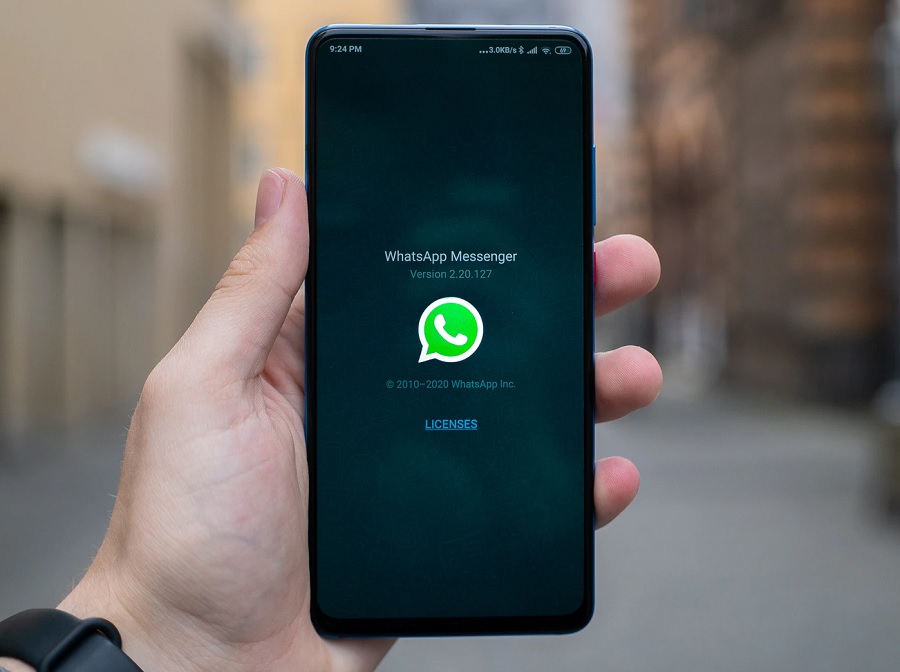
WhatsApp has once again changed its plans on dealing with users who still refuse to accept its new privacy policy implemented earlier this month. The Facebook-owned messaging app now says it does not plan on limiting functionality after discussions with authorities and experts.
The company previously said WhatsApp users who fail to accept its new privacy policy would eventually have limited access to the app’s features. However, significant changes were recently spotted in the app’s guidelines after the new privacy policy took effect last May 15.
Now, under the “What happens after the effect date?” section, the WhatsApp support page says, “We currently have no plans for these reminders to become persistent and to limit the functionality of the app.” This is about the third time WhatsApp changed its course of actions concerning the May 15 update.
In February, the company warned users who will not agree to the new rules would soon lose access to the app’s features. Earlier this month, WhatsApp changed its guidelines to say the reminder to accept the new policy would be more persistent for a few weeks after May 15.
After the “persistent reminder,” users would get “limited functionality” that would have entailed losing access to the chat list. Replying to messages and answering calls would have been only available via the notification panel. The full changes can be compared through an Internet Archive version of the WhatsApp support page, as first reported by Tom’s Guide.
“Given recent discussions with various authorities and privacy experts, we want to make clear that we currently have no plans to limit the functionality of how WhatsApp works for those who have not yet accepted the update,” WhatsApp told The Next Web. But given how the guidelines have changed over the previous months, it would not be surprising if the messaging app later changes its approach to users who do not like the new policy.
Germany’s Hamburg Commissioner for Data Protection and Freedom of Information (HmbBfDI) was one of the government agencies that blocked WhatsApp’s May 15 update. In its official ruling, the commission notably said, “Consent is not freely given, since WhatsApp demands acceptance of the new provisions as a condition for the continued use of the service's functionalities.”
In the current version of the post-May 15 guidelines, WhatsApp reiterates it does not intend to delete accounts of users who have yet to agree to the new policy. However, the page still includes a reminder about WhatsApp’s separate policy on inactive users that states, “Accounts are generally deleted after 120 days of inactivity.”
Photo by Mika Baumeister on Unsplash







