


 OpenAI Executive Shake-Up Ahead of Anticipated 2026 IPO
  SMIC Allegedly Supplies Chipmaking Tools to Iran's Military, U.S. Officials Warn
  NASA Artemis II: First Crewed Moon Mission Since Apollo Takes Four Astronauts on 10-Day Lunar Journey
  Cybersecurity Stocks Tumble After Anthropic's Claude Mythos AI Leak Sparks Market Fears
  Trump Administration Plans 100% Tariffs on Pharmaceutical Imports
  Samsung Electronics Eyes Record Q1 Profit Amid AI-Driven Chip Boom
  California's AI Executive Order Pushes Responsible Tech Use in State Contracts
  Apple Turns 50: From Garage Startup to AI Crossroads
  RBC Capital: European Medtech Firms Show Minimal Middle East and Energy Risk Exposure
  Annie Altman Amends Sexual Abuse Lawsuit Against OpenAI CEO Sam Altman
  UAE's Largest Natural Gas Facility Suspended After Attack-Triggered Fire
  Microsoft Eyes $7B Texas Energy Deal to Power AI Data Centers
  SK Hynix Eyes Up to $14 Billion U.S. IPO to Fund AI Chip Expansion
  TSMC Japan's Second Fab to Produce 3nm Chips by 2028
  MATCH Act Targets ASML and Chinese Chipmakers in New U.S. Export Crackdown
  Federal Judge Blocks Pentagon's Blacklisting of AI Company Anthropic
  NASA's Artemis II Mission: First Crewed Lunar Journey Since Apollo


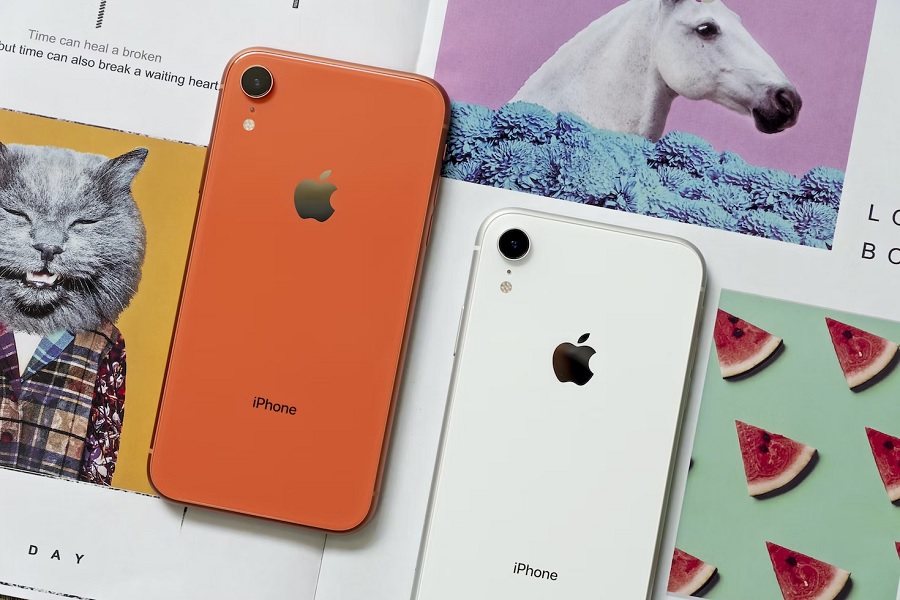
Apple has been rumored to release the fourth generation of iPhone SE, commonly dubbed iPhone SE 4, in the coming years. But analyst Ming-Chi Kuo now suggests that its mass production could be postponed or even canceled.
Kuo shared some of his findings in a series of tweets on Wednesday, saying that Apple’s plans for the iPhone SE 4 could significantly change. Citing his latest survey of the supply chain, the analyst said the tech giant “will likely cancel or postpone” the production of its next mid-range phone which was supposed to begin in 2024.
Shipments of mid-to-low-end iPhones like the iPhone SE 3, iPhone 13 mini, and iPhone 14 Plus have reportedly not met Apple’s expectations. And Kuo believes this is one of the reasons Apple has started to reconsider its plans to release the iPhone SE 4.
Apple released an iPhone mini in 2020 and 2021, but both were not huge hits among consumers. The same trend was observed early for the new iPhone 14 Plus. A report last October claimed that Apple asked suppliers to suspend production of components for the 6.7-inch iPhone with regular features due to low demand.
Meanwhile, there have been reports that the iPhone SE 4 is slated to adopt an all-screen design similar to the iPhone XR. But Kuo said the company may have been concerned that the redesign would increase production costs, which could then move up its selling price. “As a result, Apple may need to reconsider the product positioning and return on investment for the SE 4,” the analyst added.
Changing its plans for the iPhone SE 4 could be good for Apple, though. Kuo said postponing or canceling the phone’s mass production for 2024 would help the company reduce development expenses amid an anticipated global recession next year.
Various sources have mentioned that the iPhone SE 4 is slated to use a similar form factor as the iPhone XR, which means it would no longer include a physical home button. But Apple is expected to only relocate the Touch ID sensor, as the lower-priced device is unlikely to feature Face ID.







