


 European Stocks Rally on Chinese Growth and Mining Merger Speculation
  Urban studies: Doing research when every city is different
  UBS Predicts Potential Fed Rate Cut Amid Strong US Economic Data
  U.S. Banks Report Strong Q4 Profits Amid Investment Banking Surge
  Mexico's Undervalued Equity Market Offers Long-Term Investment Potential
  U.S. Treasury Yields Expected to Decline Amid Cooling Economic Pressures
  Geopolitical Shocks That Could Reshape Financial Markets in 2025
  Trump’s "Shock and Awe" Agenda: Executive Orders from Day One
  Energy Sector Outlook 2025: AI's Role and Market Dynamics
  Moldova Criticizes Russia Amid Transdniestria Energy Crisis
  Fed May Resume Rate Hikes: BofA Analysts Outline Key Scenarios
  China’s Growth Faces Structural Challenges Amid Doubts Over Data
  Stock Futures Dip as Investors Await Key Payrolls Data
  Gold Prices Fall Amid Rate Jitters; Copper Steady as China Stimulus Eyed
  US Futures Rise as Investors Eye Earnings, Inflation Data, and Wildfire Impacts
  Gold Prices Slide as Rate Cut Prospects Diminish; Copper Gains on China Stimulus Hopes
  2025 Market Outlook: Key January Events to Watch


 Add as a preferred source on Google
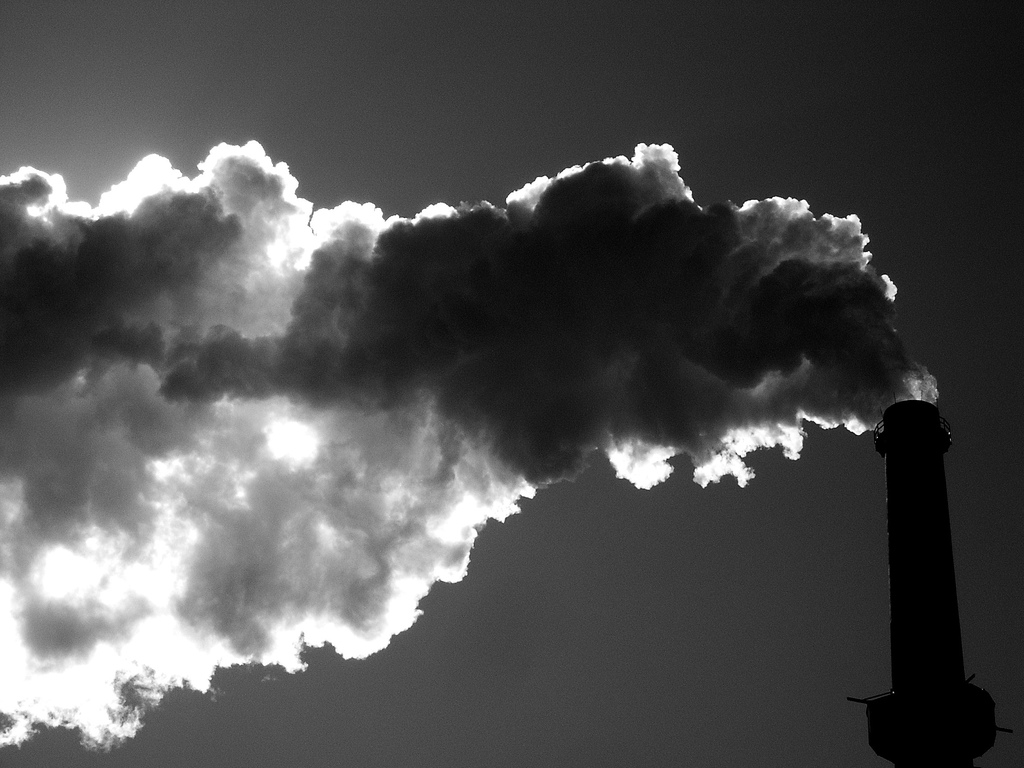
2015 will likely be the hottest year on record, according to a preliminary analysis released by the World Meteorological Organization. Worldwide temperatures are expected for the first time to reach more than 1℃ above pre-industrial temperatures.
The five years from 2011-2015 will also likely be the hottest five-year period on record. Average global atmospheric CO₂ concentrations over three months also hit 400 parts per million for the first time during the southern hemisphere Autumn this year. On top of this, we are also experiencing one of the strongest El Niño events ever recorded.
According to Dr Karl Braganza, head of climate monitoring at the Australian Bureau of Meteorology, these climate milestones are both symbolic and highly significant.
“One degree is half way to the 2 degree guardrail of warming that the global community is aiming for in terms of future climate change,” Dr Braganza said.
“400 parts per million of CO₂ in the atmosphere is a composition that the climate system has not likely seen in probably the past 2.5 million years.”
In Australia, 2015 is likely to fall into the top 10 warmest years on record, all of which have occurred this century.
Dr Braganza said that record breaking hot weather was now six times more likely than it was early last century.
Continued warming of the oceans is particularly worrying.
“About 90% of the additional heat from the advanced greenhouse effect goes into warming the oceans,” he said.
Any change to sea temperature is potentially very significant in terms of impacts on Australia’s weather, from droughts to flooding rains.
Dr David Karoly, Professor of Atmospheric Science at the University of Melbourne, said that there was little doubt as to the cause of the warming.
“It is now all but certain that 2015 will be the hottest year since record keeping began.
“The new record high global temperature in 2015 is mainly due to human-caused global warming, with smaller contributions from El Niño and from other natural climate variations,” Dr Karoly said.
According to calculations by Karoly and colleagues as part of the World Weather Attribution Project coordinated by Climate Central, temperatures will likely reach around 1.05℃ above pre-industrial temperatures. Of this, about 1℃ can be attributed to the release of greenhouse gases into the atmosphere, about 0.05ºC-0.1ºC to El Niño, and about 0.02ºC to higher solar activity. The numbers don’t quite add up to 1.05℃ due to uncertainties and natural variability.
The World Meteorological Organization statement comes as world leaders are set to meet in Paris next week to begin the next round of negotiations on taking action against climate change.
Comments compiled with the assistance of the Australian Science Media Centre.
 This article was originally published on The Conversation. Read the original article.







