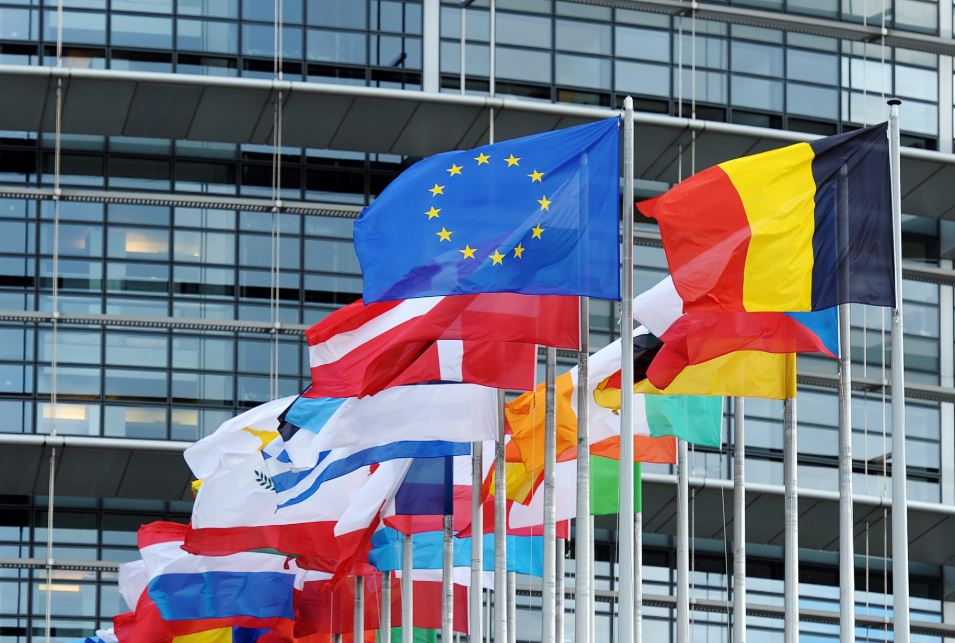
We witness the numerous European nations have signed a declaration on an European Blockchain Partnership in the recent past. The pact would be a vehicle for cooperation amongst Member States to exchange experience and expertise in technical and regulatory fields and prepare for the launch of EU-wide blockchain applications across the Digital Single Market for the benefit of the public and private sectors. This should ensure that Europe continues to play a leading role in the development and roll-out of blockchain technologies.
The blockchain is not just one thing. Initially discovered in 2009 as the technology empowering bitcoin, it has evolved in many directions, captivating on numerous shapes and flavours and addressing a seemingly endless list of use cases over the last decade. One has to do with who can access and interact with the blockchain.
As a key component of the next generation World Wide Web, often referred to as Web 3.0, blockchain is also expected to become an important industry in its own right.
As we all know that blockchain can significantly simplify peer-to- peer transaction platforms by providing trust in information without involving third parties, potentially catalysing new, decentralised and highly automated digital markets that will create new businesses and be an ongoing source of innovation and economic growth.
That makes it a vital development for Europe. Europe has responded with a number of major initiatives designed to explore and support the nascent blockchain industry. This includes the European union blockchain observatory & forum, under whose guidance this write-up has been produced.
In Luxembourg, infrachain is a government- reinforced effort which “aims at introducing governance mechanisms that would facilitate development, deployment and adoption of blockchain applications, for various sectors including banking, fintech and financial services in the current regulatory environment.” The Benelux countries have also signed a memorandum of understanding to cooperate with each other in blockchain development.
And, while not an EU member state, Switzerland’s crypto valley has built a global reputation as one of the world’s most vibrant and important blockchain ecosystems. The European academic community has heeded the call as well.
In 2015, the university of Nicosia became the first in the world to offer a masters Degree in blockchain. Other institutions to offer blockchain courses include Oxford University, the University of Edinburgh, Cambridge University, University college London, the University of Northampton, and the IT University of Copenhagen. Courtesy: eublockchainforum, https://ec.europa.eu
Currency Strength Index: FxWirePro's hourly BTC spot index is flashing at 72 levels (which is bullish), while USD spot index is at -110 (bearish), EUR spot index is at 126 (bullish), while articulating at (13;33 GMT). For more details on the index, please refer below weblink: