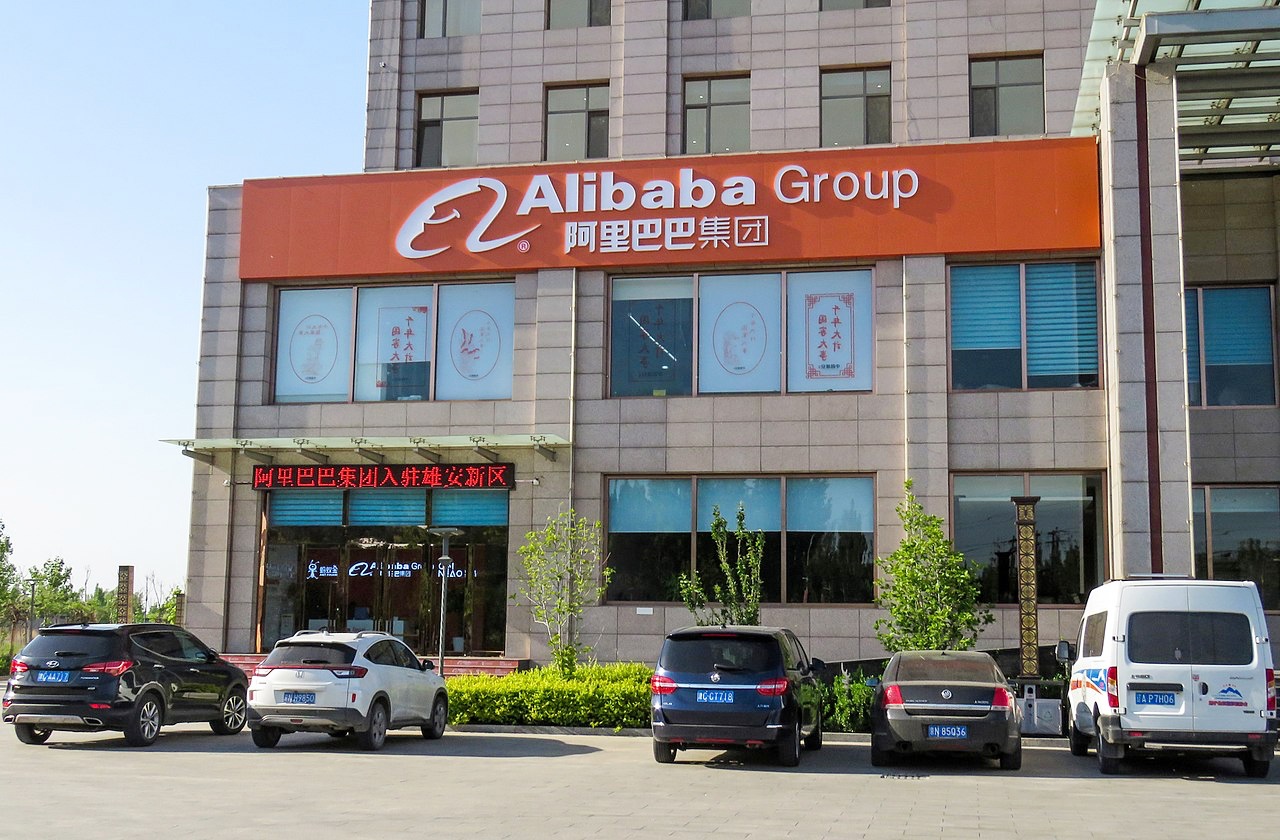
Alibaba is doubling down on artificial intelligence by deploying AI agents designed to connect its wide-ranging portfolio of consumer and enterprise services. The strategy marks a significant pivot — one that positions the $325 billion e-commerce titan to monetize AI more aggressively than traditional chatbot models allow.
Central to this shift is the newly established Alibaba Token Hub business group, helmed by CEO Eddie Wu. The restructuring signals a deliberate move toward agentic AI systems, which consume dramatically more tokens — the data units AI models process to generate responses — than standard question-and-answer chatbots. Analysts estimate these autonomous agents use tens to hundreds of times more tokens per session, opening a substantial new revenue stream for a company navigating fierce domestic competition and falling token prices.
Alibaba's AI chatbot, Qwen, has already begun evolving beyond basic queries. Users can now make purchases across Alibaba-owned platforms directly through natural language prompts. A 3 billion yuan coupon campaign launched in February illustrated both the enthusiasm and the growing pains of this approach — demand was so overwhelming the app temporarily crashed.
What sets Alibaba apart from Chinese rivals like Tencent and ByteDance is the depth of its integrated ecosystem. From e-commerce and food delivery to cloud infrastructure and logistics, Alibaba controls the full stack. No third-party handoffs, no fragmented experiences — just one seamless AI-powered interface capable of handling everything from shopping to travel bookings.
On the enterprise side, Alibaba introduced Wukong, a multi-agent platform built to automate complex business workflows including document editing, spreadsheet management, and meeting transcription.
Despite recent leadership departures in its Qwen division, Alibaba's broad AI talent base and aggressive restructuring suggest the company remains well-positioned to lead in the global race toward practical, profitable artificial intelligence.