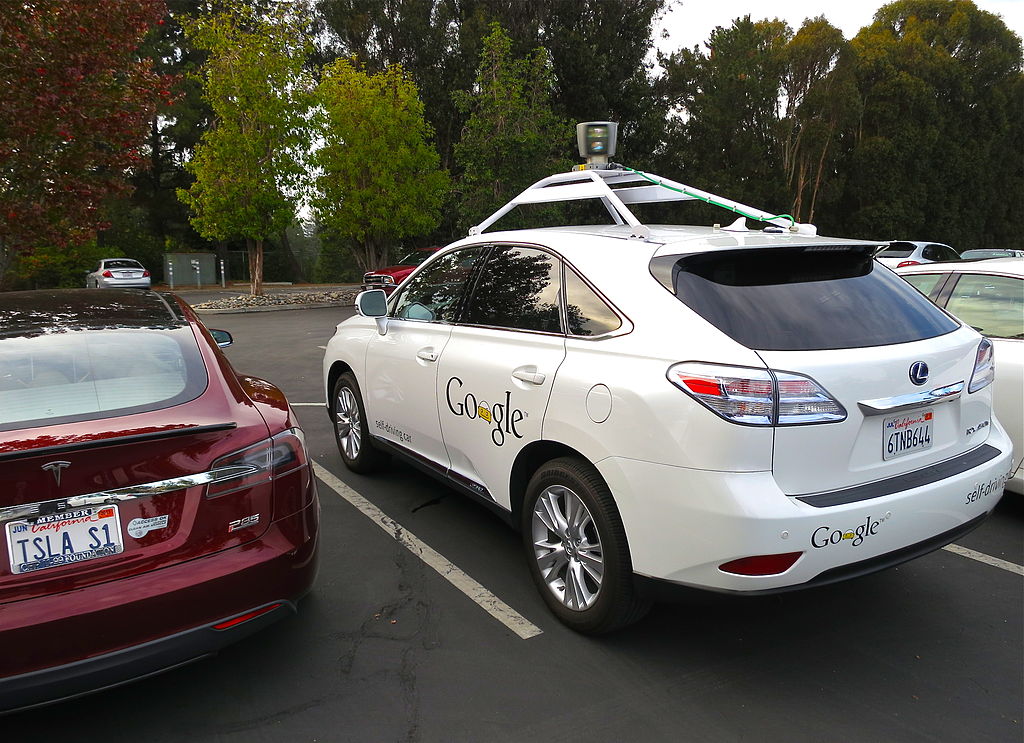
Google has been working on its self-driving car project for years now and has become the poster company for what the future of automotive use will be. Now, Alphabet is rebranding its car division and calling it Waymo, making its attempt at entering the car market more tangible.
The announcement was made during a press conference held at San Francisco, Tech Crunch reports, with CEO John Krafcik saying that Waymo is now officially an independent company. It will still be under the Alphabet umbrella, but it will be afforded the flexibility and resources that the corporation’s other product divisions have been getting.
Krafcick also wrote a blog post about the new division, detailing how far they have come since first putting autonomous vehicles on the road.
“For nearly eight years, we’ve been working towards a future without the tired, drunk or distracted driving that contributes to 1.2 million lives lost on roads every year,” the blog post reads. “Since 2009, our prototypes have spent the equivalent of 300 years of driving time on the road and we’ve led the industry from a place where self-driving cars seem like science fiction to one where city planners all over the world are designing for a self-driven future.”
The CEO also notes that the division is called Waymo because of how it represents “a new way forward in mobility,” which does lend some credence to the odd choice of name. Still, Google’s self-driving effort has been instrumental in pushing the initiative within the auto industry and to force car companies to adopt the concept of autonomous driving, Computerworld notes.
Several other companies were already working on their own self-driving technology before the then-known Google Car hit the road, such as Tesla Motors, but the search engine company was one of the first to inject autonomous driving into the mainstream consciousness. Google showed exactly what self-driving might look like and the public responded positively.