If you’re trading in cryptocurrencies like Bitcoin as a day job, then you must be aware of how challenging it can be. You simply cannot rely on the word of mouth of other enthusiasts’ word of mouth; instead, the inherent risks need to be analyzed systematically when buying or selling the digital currency.
This is where technical analysis comes into play. It’s a trading strategy that helps traders attain reliable results time and time again and is more than just drawing lines on a graph. Most traders agree that it is a better mode of analyzing Bitcoin, focusing more on asset price history instead of external factors like market behavior. To start bitcoin trading in bitcoins you can visit bitcoinup
Technical analysis is a test of patience, practice, and commitment. Here are some tools investors employ to master technical analysis to make better decisions when trading.
Candlestick charts
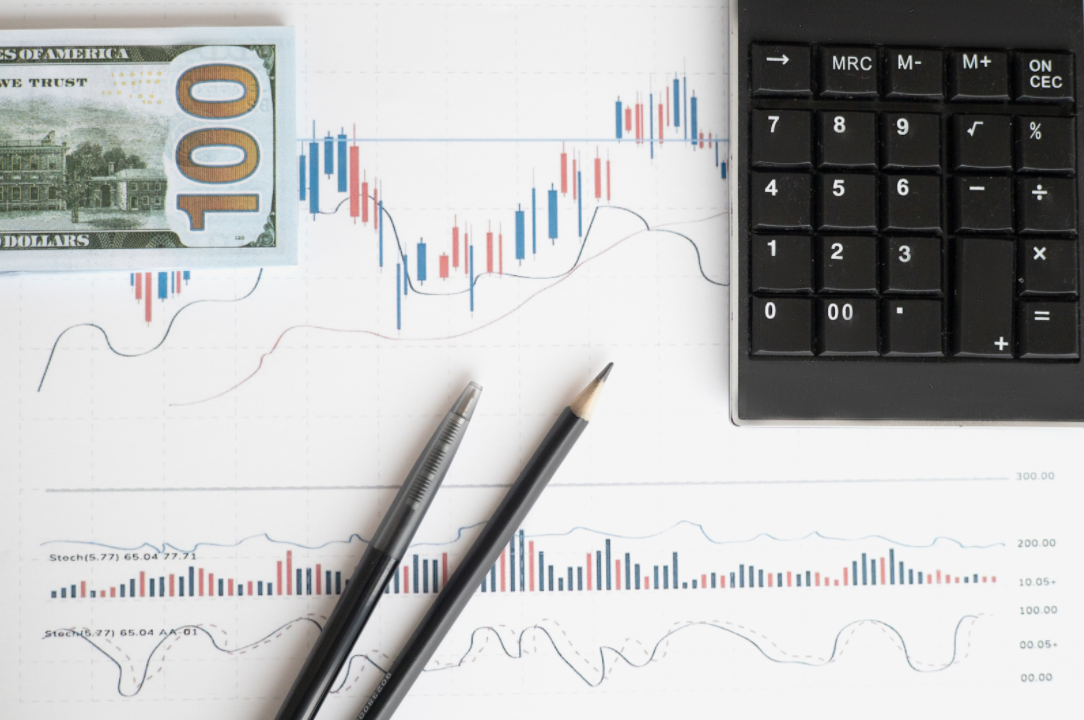
Candlestick charts are certainly not a new phenomenon to trading. They provide investors and traders with important information about an asset, including Bitcoin, in a certain trade duration. The following are the components of a candlestick chart and their purpose:
Body: The range of trading prices
Wick: The highest and lowest selling price
Color: Indicates if the price of Bitcoin fell (red) or rose (green)
Traders use these details to pinpoint trade activity during different time periods. For example, a candlestick chart with a small body tells traders that the price remained stable for that period. In contrast, a wider candlestick highlights price volatility. These insights are useful when determining the kind of trades happening and what trades can be expected in the future.
Trade volume
Candlestick charts and trade volume go hand in hand. Sometimes traders make the mistake of looking at candlestick charts alone, a costly error that if trading volume isn’t consulted as well. They appear as bars underneath candlestick charts, highlighting the amount of bitcoin traded during the same period. This information is critical to technical analysis. It is regarded as best practice to trade on a high volume market as it shows market interest in keeping the price consistent. This makes it a good measure of gauging price trends. Red candlesticks in successive trade periods indicate selling at lower prices. That is until you factor in volume. If it’s low, the trend should not last long. The same can be said about green candlesticks. If you don’t see a high volume, a price dip may be brewing.
Support and Resistance Bands
Lines are commonly used during technical analysis, but it is more important to realize what these lines mean and how they affect changes in Bitcoin prices. Have you ever noticed how Bitcoin prices struggle to go beyond a certain price threshold? This behavior is common in all forms of tracked assets, including stocks. Support and resistance lines help us identify these thresholds, indicating the lower and upper limits of an asset, respectively. These levels are derived from a number of factors pertaining to the asset, like past history, and help with further analysis of an asset’s prices, including risk, security, and predictions.
Triangular Patterns
If successive support and resistance lines are joined together, they reveal additional triangular patterns, most commonly, those in the ascending and descending directions. In each case, the price remains between a resistance and support band, with one showing a constant price trend and the other changing. In ascending triangles, the resistance line remains constant over a long duration while the support line increases steadily. The opposite is true for descending triangles. However, in either case, the price converges, forming the tip of the triangle. The type of triangle formed predicts a shoot in asset price or a drop. Hence, one of the most significant tools when determining the most profitable time to buy and sell Bitcoin.
This article does not necessarily reflect the opinions of the editors or the management of EconoTimes