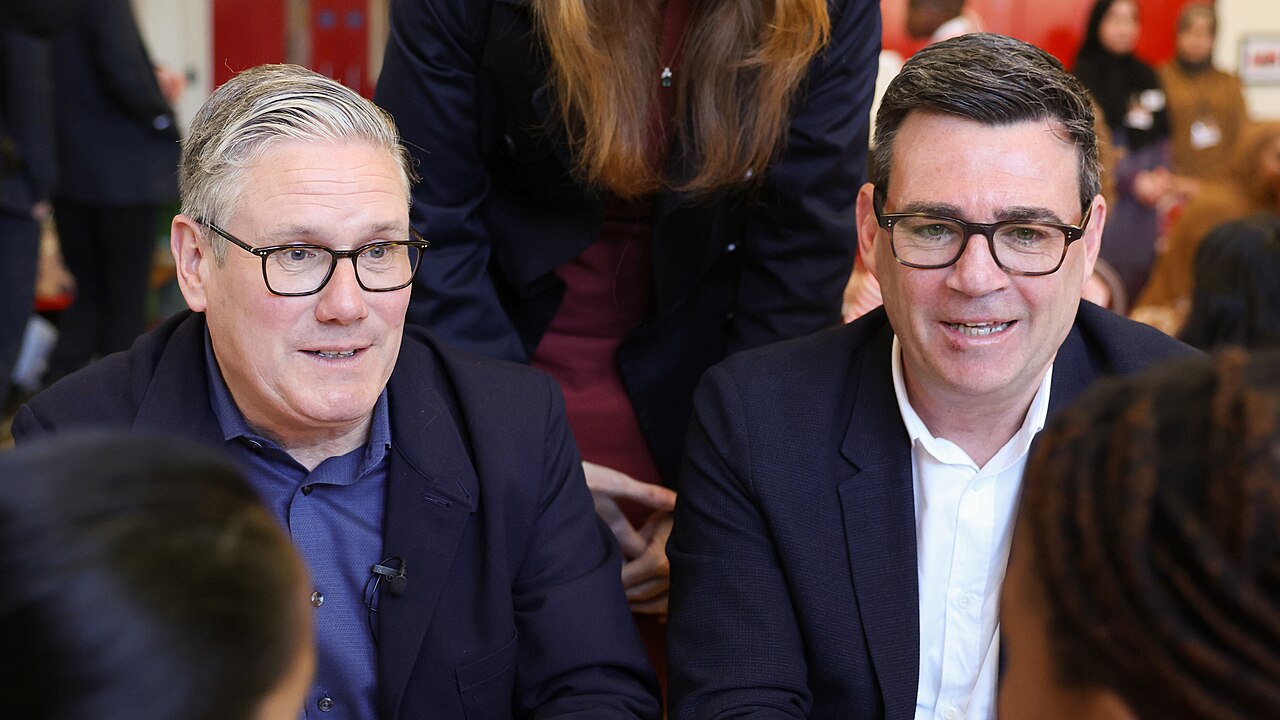
British Prime Minister Keir Starmer announced on Monday that he is stepping down as leader of the Labour Party, paving the way for Andy Burnham to become the next prime minister of the United Kingdom. The move could bring another change in leadership to British politics, with Burnham widely viewed as the frontrunner to replace Starmer.
In an emotional speech outside Downing Street, Starmer said he had listened to members of his parliamentary party and accepted that he was no longer the right person to lead Labour into the next general election, scheduled for 2029. The outgoing prime minister thanked his family for their support and became visibly emotional as he reflected on his time in office.
Starmer’s resignation initially raised the prospect of a contested Labour leadership race. However, political observers now expect a smoother transition after former Health Secretary Wes Streeting endorsed Burnham. The 56-year-old politician, who recently returned to Parliament after winning a key by-election in Makerfield, has quickly gained momentum among Labour lawmakers.
Burnham’s victory over a Reform UK candidate strengthened his position and boosted confidence among Labour MPs who believe his communication skills and political experience can help revive the party’s fortunes. Following signs of a likely leadership transition, the British pound strengthened and government bond prices rose as investors welcomed greater political certainty.
The pressure on Starmer had been building for months amid declining support and growing frustration among voters. His departure highlights the continued political instability in Britain, which has seen frequent leadership changes over the past decade.
Labour’s governing committee is expected to finalize a leadership contest timetable. Nominations are set to open on July 9 and close in mid-July. If no significant challenger emerges, Burnham could become Labour leader and prime minister as early as next month.
Despite his growing support, Burnham has yet to outline detailed policies on key issues such as the economy, foreign affairs, defense, and public spending. He has repeatedly emphasized the need to reduce the cost of living and deliver meaningful change for British voters.
Meanwhile, Reform UK leader Nigel Farage called for an immediate general election, arguing that Britain needs a new direction. Burnham will also face significant economic challenges, including high government borrowing costs, sluggish economic growth, and increasing demands for public investment.
As the Labour Party prepares for a leadership transition, all eyes will be on Burnham and whether he can restore public confidence while addressing the economic and political challenges facing the United Kingdom.