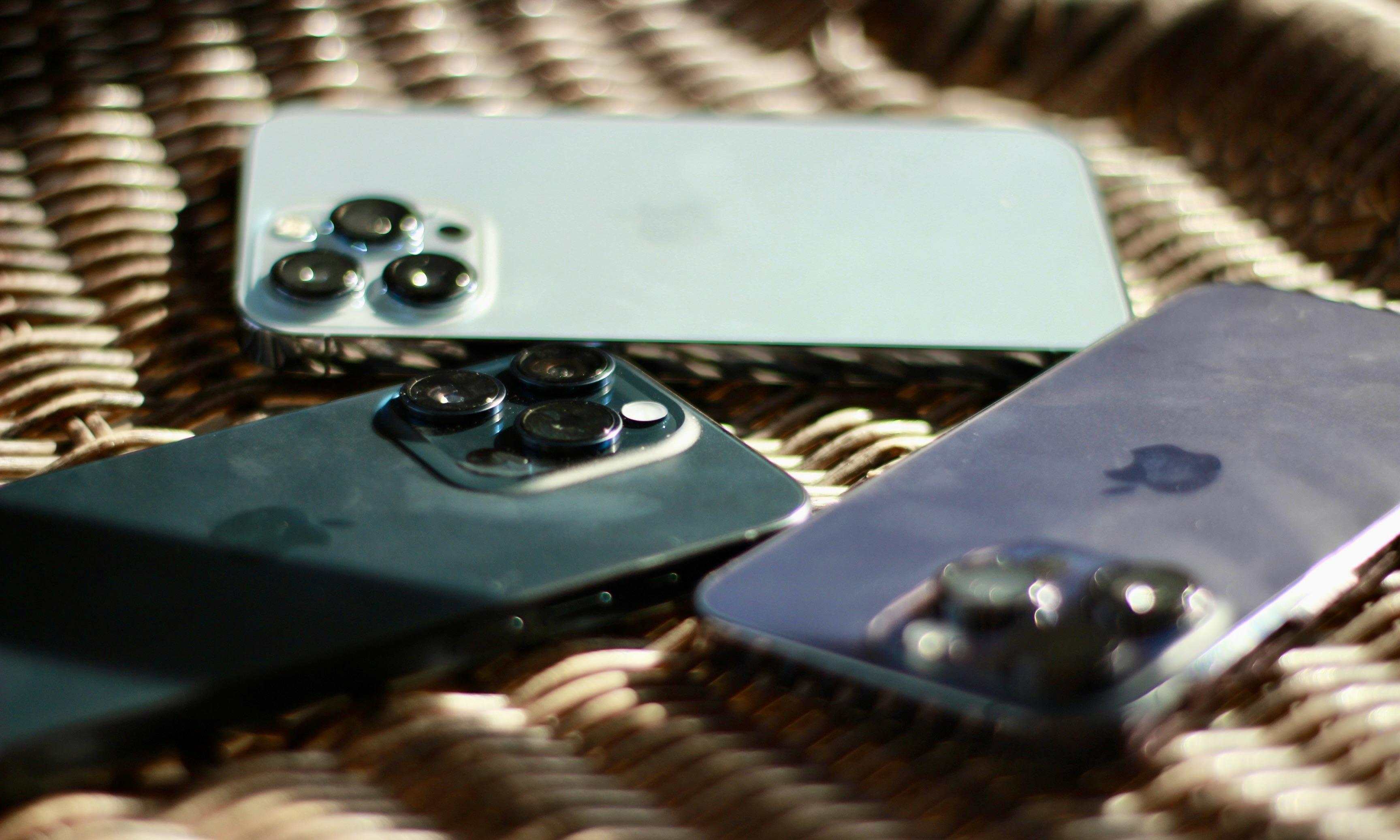
With Apple's new Private Cloud Compute, Craig Federighi reveals how advanced server technology keeps your AI data safe, prioritizing user privacy and security.
Apple's Promise of AI Data Privacy
Following Microsoft's disastrous Copilot+ PC "Recall" feature, criticized as a severe breach of AI security, Craig Federighi, Apple's head of software engineering, introduced "Private Cloud Compute." This service enables Apple intelligence to draw on larger server-based models for more complicated requests while protecting privacy.
As reported by Reuters, Apple will use its own server chips to power artificial intelligence features on its gadgets, and the company will also operate some models on devices.
Craig Federighi Unveils Secure Server Tech
Private Cloud Compute is built on top of "servers we've especially created using Apple silicon," Federighi added, confirming last month's speculations that Apple will utilize its own proprietary silicon instead of the usual Intel and AMD chips used in data center servers.
By harnessing the robust security features of the Swift programming language and implementing software with inherent transparency, the servers, and their chips are designed to provide comprehensive privacy and security for your iPhone. This user-centric approach ensures your data remains secure at all times.
"When you make a request, Apple Intelligence analyzes whether it can be processed on device," he explained. "If it needs greater computational capacity, it can draw on private cloud compute and send only the data that's relevant to your task."
Robust Security for Your AI Data
Contrary to the prevalent practice in the artificial intelligence sector of using personal and company data to train AI models, Apple has made it clear that it will not collect any user data. "Your data is never stored or made accessible to Apple," Federighi stated.
ZDNet shares that, according to Federighi, security experts can examine the code running on the Private Cloud Compute servers in order to confirm the privacy promise, just like they can with your iPhone.
"In fact, private cloud compute cryptographically ensures your iPhone, iPad, and Mac will refuse to talk to a server unless its software has been publicly logged for inspection."
The specifics of the security researchers' inspection and audit of the Private Cloud Compute servers were not divulged by Federighi.
Photo: Sophia Stark/Unsplash