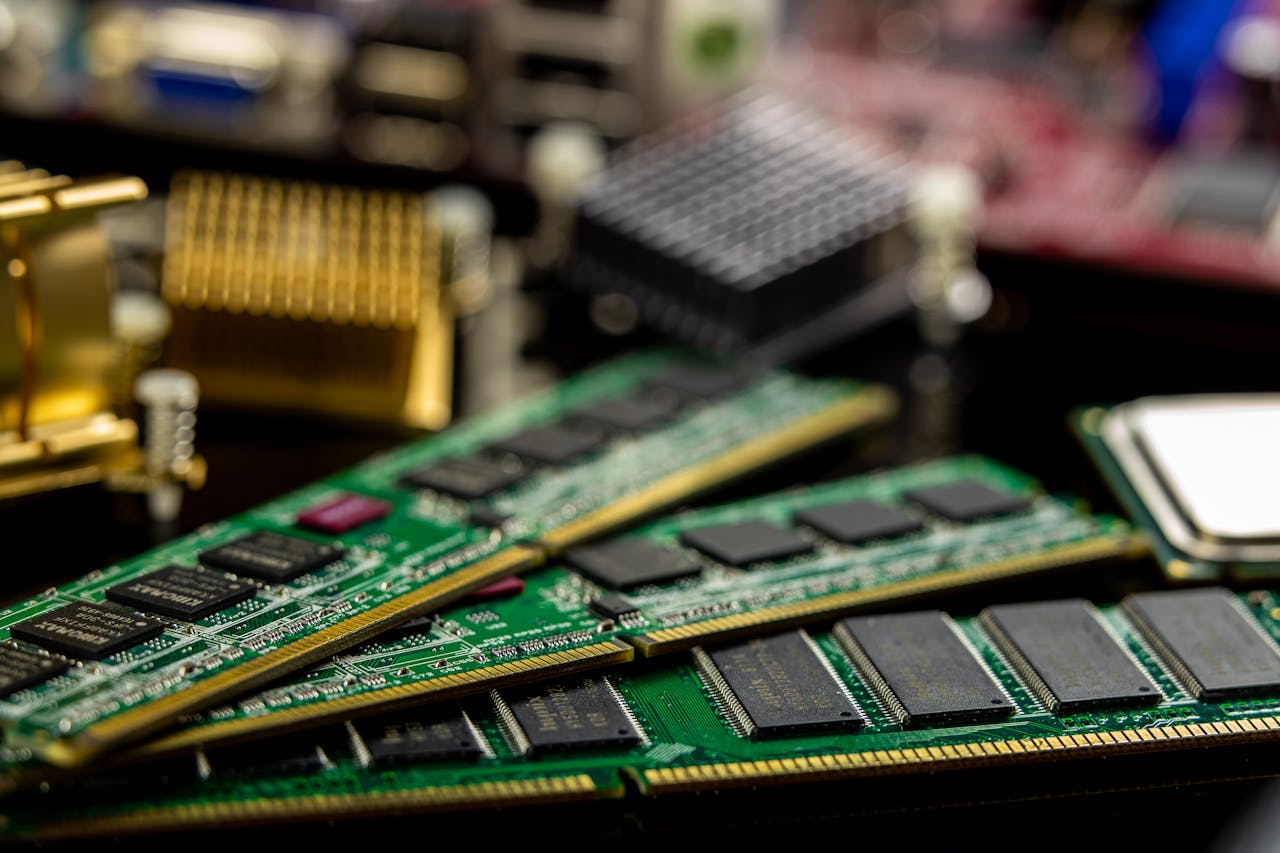
Taiwan's government has condemned new U.S. tariffs as "unreasonable" and vowed to engage in talks with Washington to protect its interests. The tariffs, announced by President Donald Trump, impose a 32% duty on Taiwanese imports, though semiconductors—Taiwan's top export—are exempt.
The Taiwanese cabinet said the tariffs fail to reflect the deeply interconnected trade relationship between the two economies. It attributed Taiwan’s growing trade surplus with the U.S. to high demand for advanced technology and semiconductors, as well as Trump’s previous tech restrictions on China, which redirected global supply chains toward Taiwan.
During Trump’s first term, several Chinese firms were placed on blacklists, limiting their access to U.S. technology and prompting U.S. companies to turn to Taiwanese suppliers. Taiwan’s cabinet highlighted that this shift strengthened U.S. economic and national security, particularly in sectors like artificial intelligence and information and communications technology.
Taiwanese officials noted that TSMC, the world’s leading semiconductor manufacturer, continues to play a critical role in U.S. industry. Last month, TSMC announced a $100 billion investment in the United States. While the company declined to comment due to its quiet period, the American Chamber of Commerce in Taiwan reiterated Taiwan’s "indispensable" role in U.S. supply chain security and regional stability.
Despite not having official diplomatic ties, the U.S. remains Taiwan’s key international partner. Interestingly, Trump’s tariff list labeled Taiwan as a "country"—a notable move amid heightened tensions following recent Chinese military drills around the island.
Taiwan aims to resolve the dispute through continued dialogue, emphasizing its strategic role in global tech and the U.S. economy.