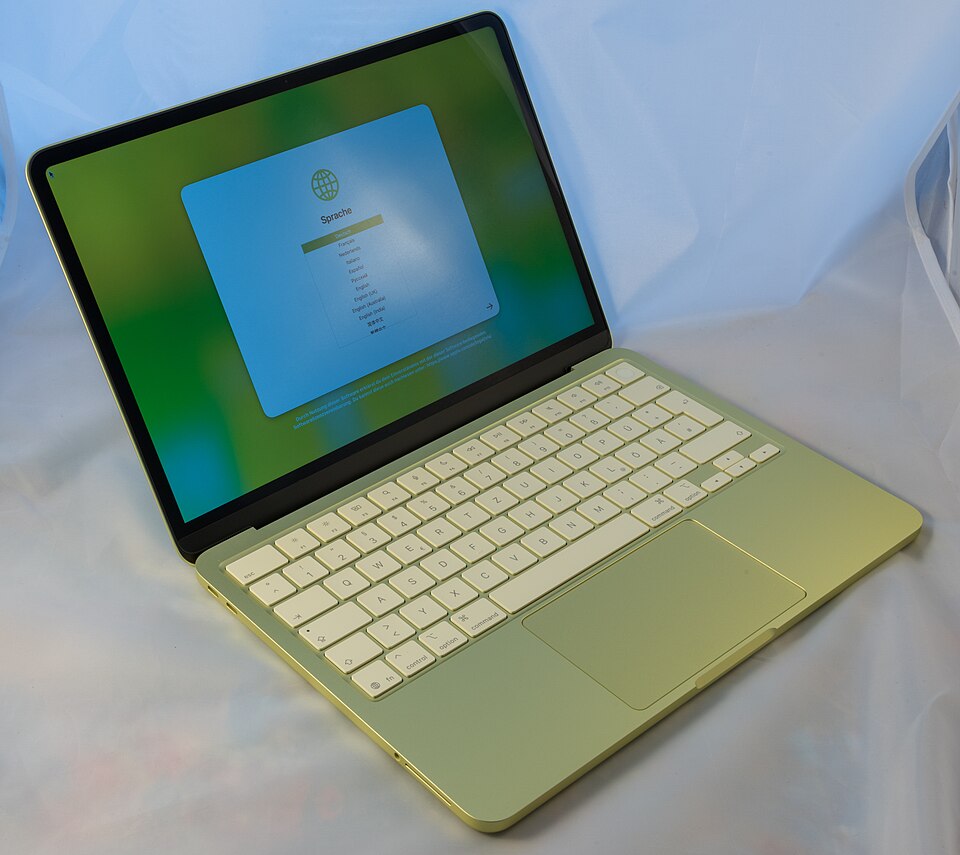
Apple's newly announced MacBook Neo, starting at just $499 for students, has received the highest repairability rating the company has achieved since 2014, according to a fresh analysis by iFixit — the well-known repair guide platform and parts retailer that scores consumer electronics on how easy they are to fix and maintain.
In its detailed teardown, iFixit highlighted several meaningful design improvements over previous Apple laptops. Rather than relying on glue or rivets, Apple now fastens batteries and keyboards with screws, and components like the camera and fingerprint sensor are more straightforward to replace. These changes signal a notable shift in Apple's approach to device longevity, particularly as it targets the education market — a space where Google's affordable Chromebooks have long dominated.
iFixit CEO Kyle Wiens noted that Chromebooks see frequent repairs in school districts, with some even employing student interns to service them. Apple appears to be positioning the MacBook Neo as a direct competitor in this segment. Despite the improvements, however, the device scored only 6 out of 10 on iFixit's repairability scale — well behind leading competitors like the Lenovo ThinkPad, which has earned scores as high as 9 or 10.
One significant limitation is the MacBook Neo's 8GB of DRAM, which is soldered directly onto the motherboard — a design choice consistent across Apple's current Mac lineup. This makes memory upgrades impossible, which Wiens argues could hinder the laptop's ability to handle increasingly demanding AI applications in the future. He suggests Apple could address this by incorporating upgradeable memory modules, especially given the company's push toward privacy-focused, on-device AI processing.
"Apple's future for privacy-centered AI has to be local models," Wiens stated, calling soldered memory a flaw across the entire Mac product line. Apple has not yet responded to requests for comment.