


 Russian Strikes Kill Six in Ukraine, Including Three in Kharkiv
  US Judge Blocks Trump Administration’s Taxpayer-Funded Political Ads
  Brazil Election: Lula and Bolsonaro Rally Ahead of October 25 Runoff
  Pakistan Declares Emergency in Khyber Pakhtunkhwa, Suspends Imran Khan’s PTI Government
  Zelenskiy Slams US-Russia Diesel Deal as Funding War
  JD Vance Questions Pentagon Plan to Livestream Fort Hood Shooter’s Execution
  US Charges Maduro and Wife With Torture Conspiracy
  Venezuela’s Machado Calls for Elections by July 2027
  Djibouti Migrant Boat Capsizes, Killing 139 and Leaving 84 Missing
  Trump Sanctions International Criminal Court, Sparking EU Backlash
  RFK Jr. Launches Nationwide Vaccine Safety Review
  US, EU Push for Action Against Asia’s Excess Factory Capacity
  Flydubai Co-Pilot Planned Suicide Attack on Israel Airport, UAE Says
  Ripple Chairman Chris Larsen Donates $22.5 Million Ahead of US Midterms
  Flavio Bolsonaro Leads Lula 49%-45% in Brazil Runoff Poll
  Mahmoud Abbas Postpones Palestinian Elections to September 2027


 Add as a preferred source on Google
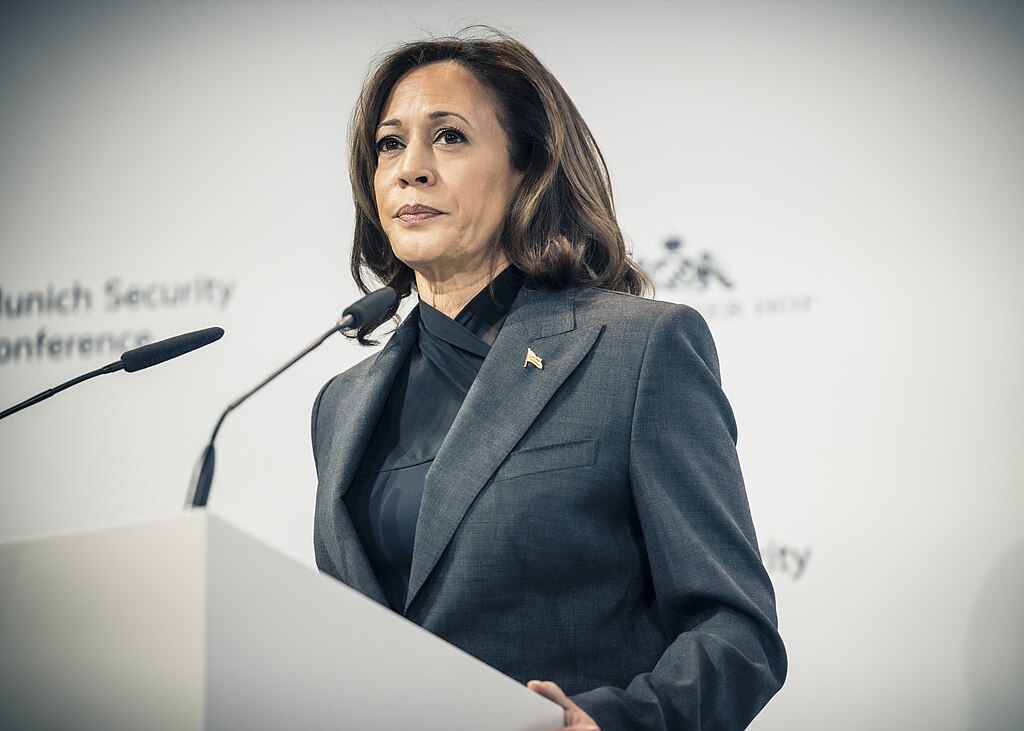
Amid increasing political tensions in the lead-up to the 2024 U.S. presidential election, rumors have surfaced about potential assassination plots targeting Vice President Kamala Harris. These unverified reports have sparked widespread discussion online, though there has been no official confirmation from law enforcement or government agencies. The speculation highlights the increasingly charged political climate in which high-profile figures, such as Harris, are facing unprecedented threats to their personal safety.
The rumors first gained traction after discussions on social media suggested that Vice President Harris could be the target of assassination attempts, with users citing anonymous sources and unconfirmed reports. These discussions come at a time when political violence has become an increasing concern in the United States, following the Capitol insurrection in January 2021 and various other threats against politicians across the political spectrum. However, no concrete evidence has been made public to substantiate claims of specific plots against Harris.
While these allegations remain unverified, it is not uncommon for political figures to face heightened security risks, particularly as they rise to prominent positions. As the first female, first Black, and first South Asian vice president, Kamala Harris has broken numerous barriers, which has placed her under intense public scrutiny and, unfortunately, made her a potential target for extremists. High-profile politicians, especially those with historic achievements, often face increased threats as a result of their visibility and influence.
The U.S. Secret Service, which is responsible for the safety of the vice president and other key government officials, has protocols in place to protect against potential threats. It is unknown if the agency has heightened its security measures for Harris in light of these recent rumors, though any credible threat would likely lead to immediate adjustments to her security detail. In past instances where threats have surfaced against political figures, the Secret Service has coordinated closely with law enforcement agencies to assess the credibility and take necessary actions.
Political violence and the threat of assassination have long been dark realities of U.S. politics. Figures such as President John F. Kennedy, Martin Luther King Jr., and Robert F. Kennedy have fallen victim to such acts. In more recent times, figures like Rep. Gabrielle Giffords and House Speaker Nancy Pelosi have been targeted. The rise in online conspiracy theories and misinformation only serves to stoke fears, with unsubstantiated claims often escalating public anxiety.
As Harris continues to play a central role in the Biden administration and is potentially a key figure in the 2024 election, her safety remains a priority for law enforcement and the Secret Service. However, the emergence of these rumors also underscores the broader issue of political polarization and the dangers posed by the spread of unchecked information.
For now, the rumors about assassination plots against Kamala Harris remain just that—rumors. With no official statements from the Secret Service or other authorities, it is important for the public to approach such claims with caution and skepticism. Nevertheless, the conversations surrounding these potential threats reflect the growing concerns about the safety of political leaders in an increasingly divided and volatile political landscape.
EconoTimes cannot independently verify the claims regarding assassination plots targeting Kamala Harris. The information presented is based on rumors circulating online, and no official statements have been made by government agencies or law enforcement at this time.







