


 Trump Announces Russia-Ukraine Energy Ceasefire as Zelenskiy Awaits Details
  Brazil Election: Lula and Bolsonaro Rally Ahead of October 25 Runoff
  Zelenskiy Slams US Over Deadly Russian Strikes on Ukraine
  North Korea Fires Ballistic Missiles as Tensions With South Korea Escalate
  Venezuela’s Machado Calls for Elections by July 2027
  Yandex Data Center Hit by Drone Strike as Russia-Ukraine Cyber Infrastructure Attacks Escalate
  Houthis Warn Saudi Airports After Deadly Riyadh Attack
  Mahmoud Abbas Postpones Palestinian Elections to September 2027
  Panama Declares Emergency After 7.7 Earthquake Triggers 200 Aftershocks
  Trump Announces Russia-Ukraine Energy Ceasefire Amid U.S. Pressure on Kyiv
  US Charges Maduro and Wife With Torture Conspiracy
  Ripple Chairman Chris Larsen Donates $22.5 Million Ahead of US Midterms
  Zelenskiy Slams US-Russia Diesel Deal as Funding War
  Trump Sanctions International Criminal Court, Sparking EU Backlash
  RFK Jr. Launches Nationwide Vaccine Safety Review
  Flydubai Co-Pilot Planned Suicide Attack on Israel Airport, UAE Says
  Trump Calls for Zelenskyy Replacement Amid Russian Diesel Deal


 Add as a preferred source on Google
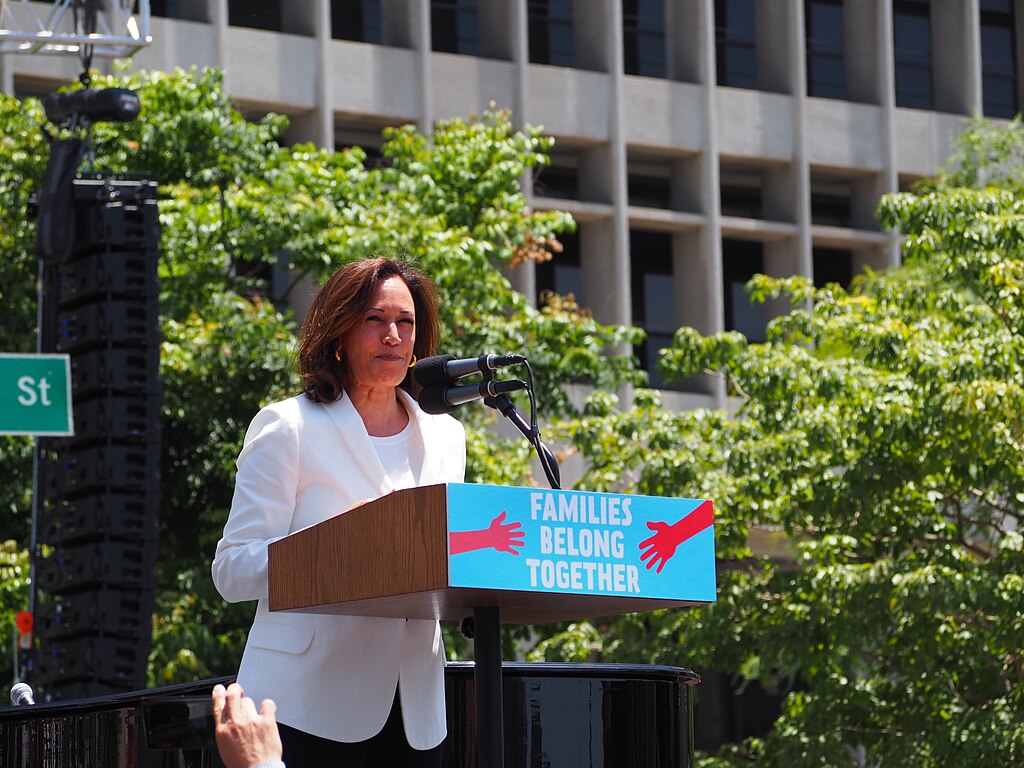
In a recent statement that has sparked considerable debate, PayPal co-founder and billionaire investor Peter Thiel voiced concerns about the potential outcome of the 2024 presidential election, claiming that Vice President Kamala Harris could win if the race is close due to what he perceives as vulnerabilities in the election process. Thiel, a vocal supporter of former President Donald Trump and a significant figure in Republican political circles, has called for reforms to ensure what he sees as a fairer election.
Thiel’s remarks, made during a private event, come amid ongoing discussions about election integrity, voter fraud, and the use of absentee ballots, issues that have been hotly contested since the 2020 election. He specifically pointed to what he views as problematic aspects of the current system, including absentee ballots and extended voting periods, arguing that these methods open the door to potential manipulation.
The tech billionaire, who has long been associated with conservative and libertarian politics, proposed three key changes to the election process: implementing voter identification (ID) requirements, significantly reducing absentee ballots, and restricting elections to one day of in-person voting. Thiel’s suggestion that Harris would benefit from a “close” election has reignited concerns among some conservative groups who claim that past elections have been marred by irregularities, despite widespread dismissal of these claims by election officials and courts.
Thiel’s concerns mirror those of many Republicans, who have advocated for tighter voting restrictions in the name of election security. These calls for reform come after several states, including Georgia, Florida, and Texas, passed new voting laws following the 2020 election, which saw an unprecedented number of mail-in ballots due to the COVID-19 pandemic. Critics of these laws argue that they amount to voter suppression, particularly for minority and low-income communities, who may face barriers to accessing polling stations or obtaining voter ID.
On the other hand, proponents of these measures, including Thiel, argue that they are necessary to ensure the integrity of elections and prevent potential fraud. Thiel’s call for “practically no absentee ballots” would mark a significant shift from current election practices, which allow voters who cannot attend in person on election day to cast their votes by mail. Absentee ballots have been a staple of American elections for decades, but they have come under intense scrutiny in recent years, particularly from conservative activists.
With the 2024 election looming, Thiel’s comments reflect the ongoing debate over how best to balance accessibility and security in U.S. elections. Kamala Harris, who is expected to be a key figure in the race should President Joe Biden not seek reelection, has been at the center of this debate. Thiel’s remarks suggest that Republicans may focus heavily on election reforms as part of their strategy to counter a potential Democratic victory.
Despite Thiel’s assertions, numerous studies and investigations have found no evidence of widespread voter fraud in the 2020 election. Election officials from both parties have maintained that the previous election was one of the most secure in U.S. history. Nevertheless, the narrative of election fraud continues to resonate with a portion of the electorate, particularly among Trump’s supporters, and may play a significant role in shaping the political discourse leading up to the 2024 election.







