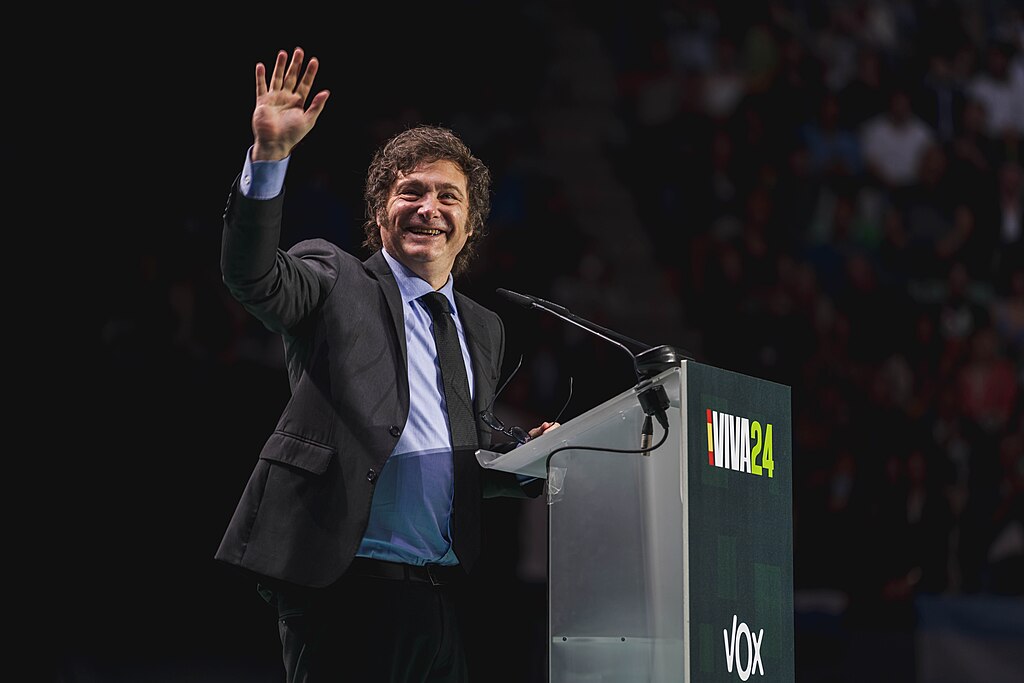
Argentina’s political tensions deepened this week as lawmakers overturned two key vetoes by President Javier Milei, delivering a major setback for the libertarian leader just weeks before critical midterm elections. The opposition-controlled Senate voted overwhelmingly to reinstate legislation that boosts funding for public universities and pediatric health programs, rejecting Milei’s fiscal austerity measures. Senators voted 59-7 and 58-7 in favor of overturning the vetoes, signaling rare unity against the president’s economic policies.
Milei, who has made drastic spending cuts central to his agenda, argued that additional funding would endanger Argentina’s fragile fiscal balance. Since taking office, he has sought to shrink the size of government and curb inflation through aggressive austerity measures. However, the cuts have fueled growing discontent among citizens facing reduced public services, rising costs, and economic uncertainty.
The latest defeats follow a similar episode in September when Congress overrode Milei’s veto of legislation providing increased support for people with disabilities. Analysts say these moves reflect not only strong opposition to his economic strategy but also his inability to build lasting alliances with provincial governors, whose influence is critical in securing legislative support.
Public frustration is mounting as Argentina heads toward its October 26 midterm elections. Polls suggest Milei’s popularity has been dented by both the harsh impact of his reforms and a recent corruption scandal that has shaken his administration. “There’s a sensation of disenchantment and anger with the impact of the cutbacks,” noted Buenos Aires political consultant Sebastian Halperin.
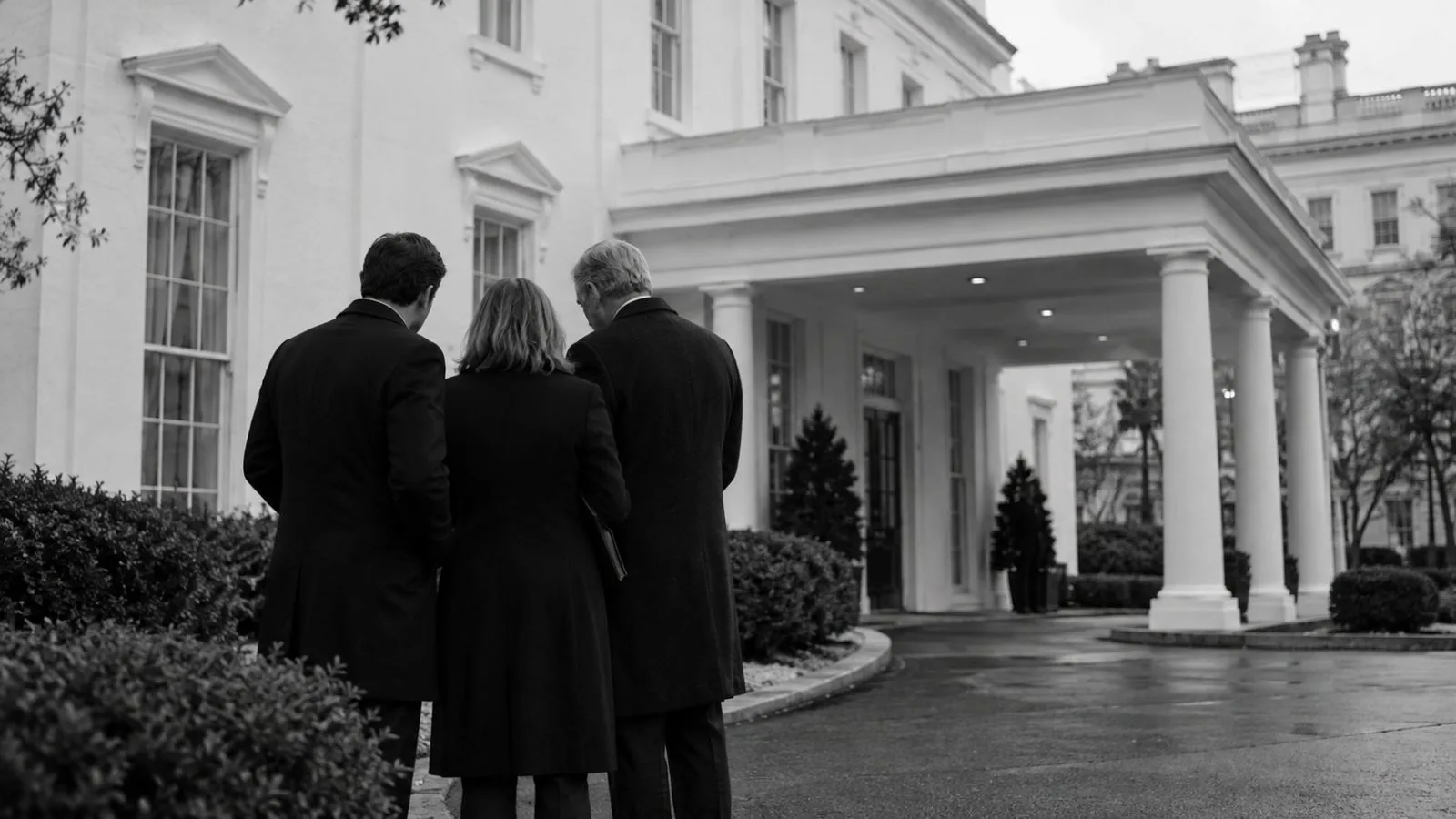
Despite growing domestic pressure, Milei recently received a political boost from U.S. President Donald Trump, who pledged support for stabilizing Argentina’s financial markets. The two leaders are expected to meet in October, as Milei seeks a U.S. credit swap line to shore up the economy. Still, analysts warn that without a strong midterm performance, Milei risks undermining the progress he has made in restoring some economic stability.