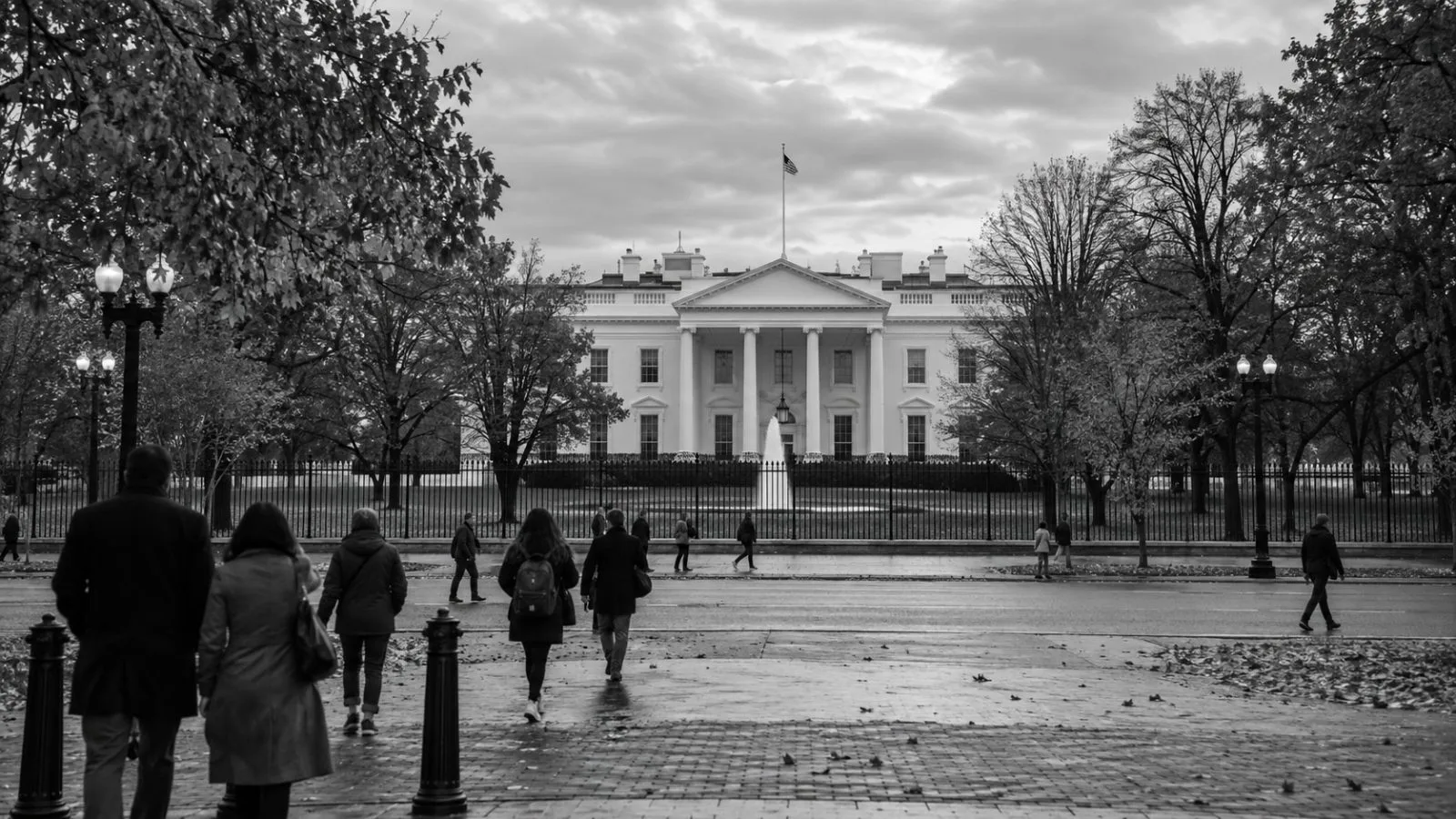
Iran and the United States are preparing for high-stakes nuclear negotiations in Oman on Friday, but deep disagreements over the agenda and escalating regional tensions suggest that meaningful progress will be difficult. The talks, set to take place in Muscat, come as fears grow of a wider Middle East conflict involving Iran, the U.S., and their allies.
Both Tehran and Washington have signaled a willingness to revive diplomacy over Iran’s long-running nuclear dispute with the West. However, the scope of the negotiations remains a major sticking point. The United States has said it wants discussions to include Iran’s nuclear programme, ballistic missile development, regional support for armed groups, and human rights issues. U.S. Secretary of State Marco Rubio emphasized that Washington expects a comprehensive dialogue addressing all areas of concern.
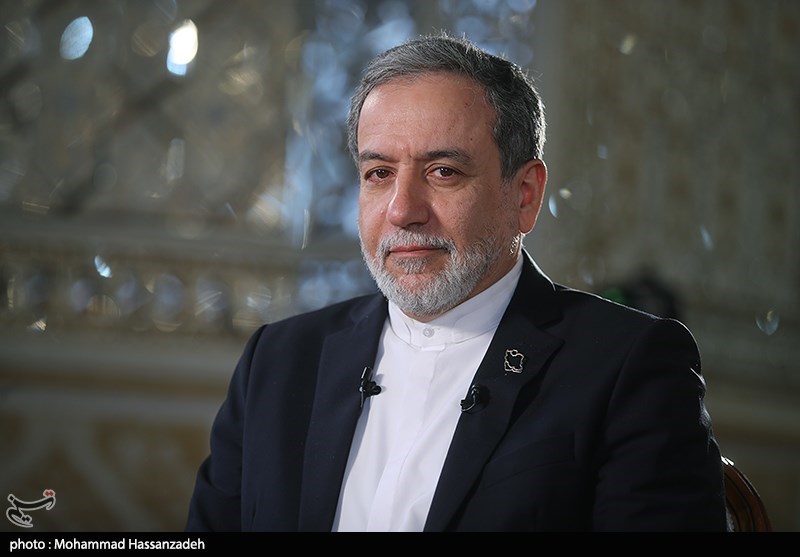
Iran, by contrast, has made clear that its foreign minister Abbas Araqchi will only discuss nuclear-related matters with U.S. Middle East envoy Steve Witkoff. Iranian officials say the country is entering talks “with authority” and aims for a fair and dignified agreement focused solely on nuclear issues. Tehran has also reiterated that its defence capabilities, including missile programmes, are non-negotiable.
Tensions are further heightened by the U.S. military buildup in the region, which President Donald Trump has described as a massive naval armada. This comes after a violent crackdown on protests inside Iran last month, worsening relations between the two countries. The White House has warned that while diplomacy is preferred, military options remain on the table if talks fail.
Iran has cautioned that any military strike would be met with a strong response and warned neighbouring countries hosting U.S. bases that they could be drawn into conflict. Despite this, Iranian officials have indicated some flexibility, including the possibility of handing over 400 kilograms of highly enriched uranium and accepting zero enrichment under a consortium arrangement, while still insisting on its right to enrich uranium.
With mutual threats, recent U.S. and Israeli strikes on Iranian-linked targets, and Iran’s regional influence weakened, analysts warn that failure in Oman could increase the likelihood of military confrontation rather than diplomatic breakthrough.