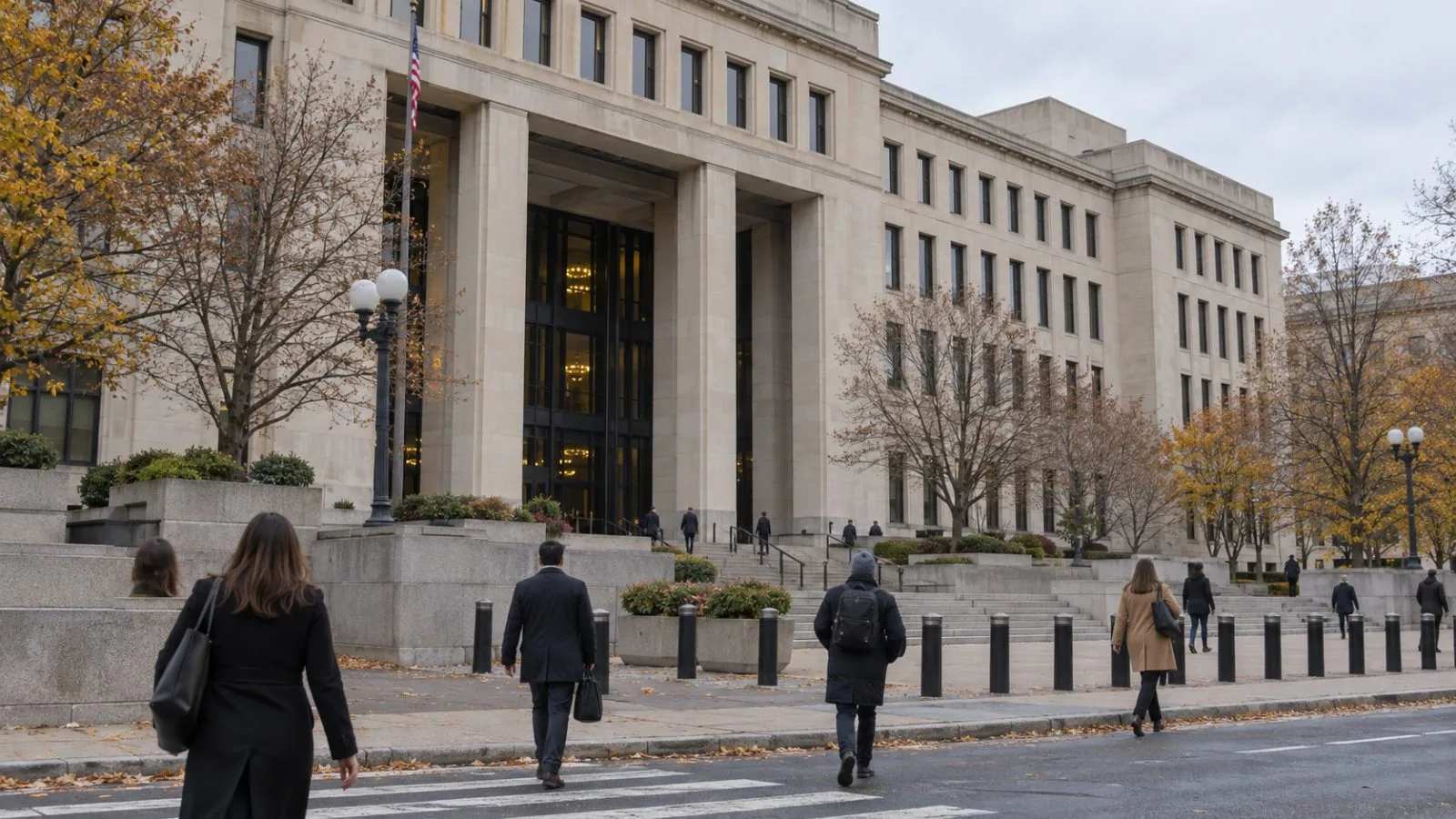
Asian currencies traded mostly flat on Monday as the U.S. dollar weakened following news that the U.S. government had opened a criminal investigation involving Federal Reserve Chair Jerome Powell, raising fresh concerns about the independence of the U.S. central bank and weighing on investor confidence.
The U.S. Dollar Index, which tracks the greenback against a basket of major global currencies, slipped 0.2% from a one-month high, while U.S. Dollar Index futures were also down 0.2% in early Asian trading. The pullback in the dollar came as markets reacted defensively to political uncertainty in the United States, prompting investors to reassess risk exposure across global markets.
Sentiment was shaken after reports emerged that Powell told lawmakers the administration had threatened the Federal Reserve with a potential criminal indictment. The issue reportedly stems from his Senate testimony regarding cost overruns tied to renovations at the Fed’s headquarters. The situation has fueled worries about political pressure on the Federal Reserve, undermining confidence in U.S. institutions and dampening risk appetite across Asia.
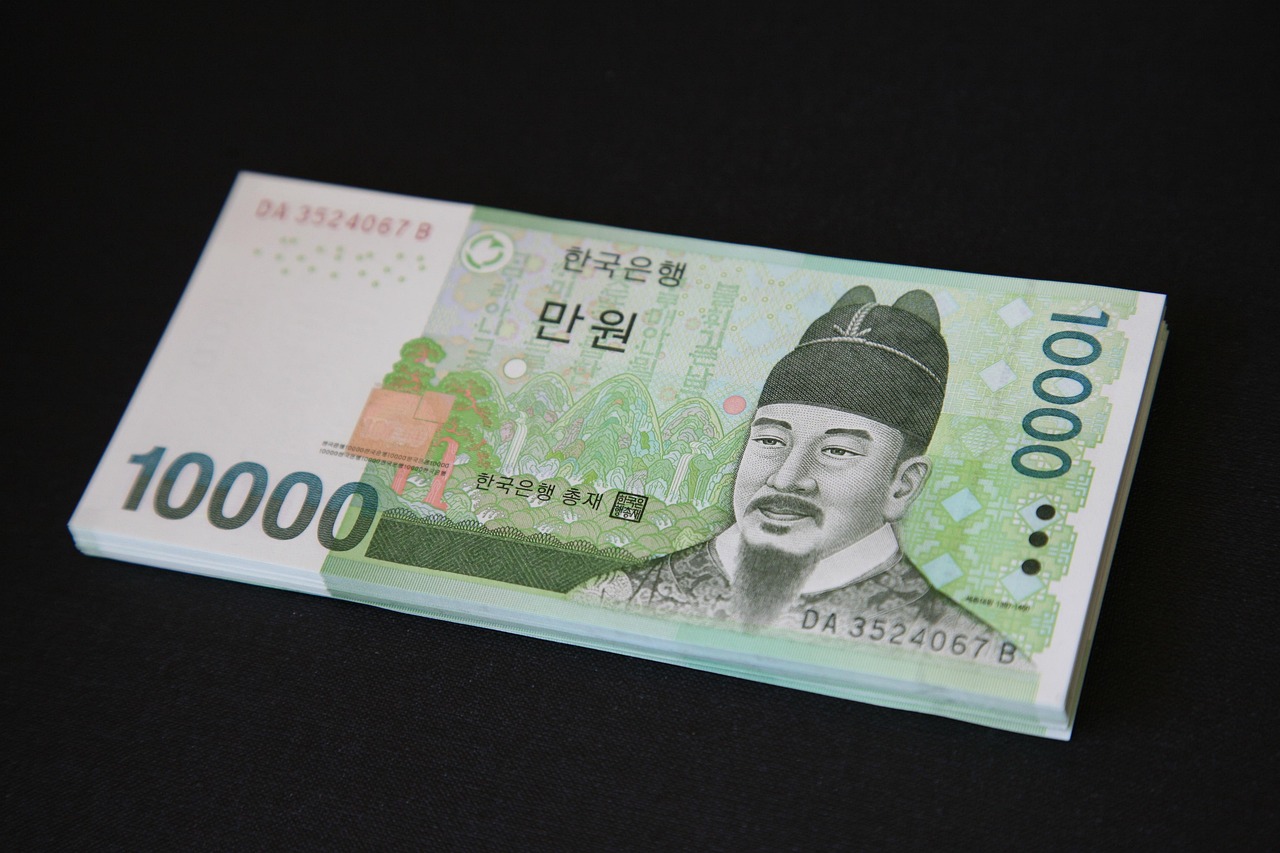
Against this backdrop, most Asian currencies showed limited movement. The Japanese yen weakened slightly, with USD/JPY rising around 0.2%, while the Singapore dollar remained largely unchanged against the U.S. dollar. The South Korean won stood out as the session’s biggest mover, with USD/KRW jumping about 0.7%, reflecting localized market pressures.
In China, the yuan was stable, with the onshore USD/CNY pair little changed and the offshore USD/CNH edging 0.1% lower. The Indian rupee also traded in a narrow range, showing minimal reaction to global developments. Meanwhile, the Australian dollar edged 0.2% higher against the greenback, supported by the softer U.S. dollar and broader expectations of easier U.S. monetary policy.
Investor focus was further shaped by U.S. economic data released last Friday, which showed nonfarm payrolls growth slowed more than expected in December. The weaker jobs report reinforced expectations that the Federal Reserve may deliver interest rate cuts later this year. Markets are now pricing in at least one additional Fed rate cut in 2026, with some traders anticipating as many as two reductions.
Attention now turns to the upcoming U.S. consumer price index data for December, due Tuesday, a key inflation reading that could influence expectations ahead of the Federal Reserve’s next policy meeting later this month.