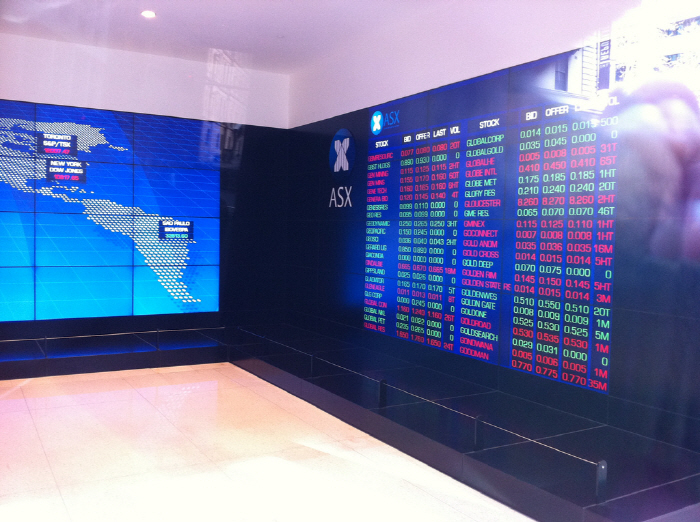
The Australian Securities Exchange (ASX) is preparing for a leadership transition at a critical time, as outgoing CEO Helen Lofthouse announces her departure in May after 11 years with the company, including four as chief executive. The search for a new ASX CEO is underway, led by a global executive recruitment firm, but the incoming leader will inherit significant legal and regulatory challenges that could shape the future of Australia’s primary stock exchange.
Investor confidence in the ASX has been tested in recent years, particularly following the failed CHESS replacement project. In 2022, the exchange wrote down A$250 million spent on upgrading its aging trade settlement system using blockchain technology. The initiative, intended to modernize clearing and settlement operations and enhance competitiveness, was ultimately scrapped. The Australian Securities and Investments Commission (ASIC) has since launched legal action, alleging the ASX misled investors about the project’s progress and timeline. Federal Court hearings are scheduled for mid-June.
Beyond the lawsuit, the exchange faces mounting regulatory pressure and operational setbacks. Recent technology outages, including a late-2024 disruption that delayed trade settlements and a December platform freeze affecting market announcements, have raised concerns about the resilience of Australia’s financial market infrastructure. Market participants argue that restoring credibility and strengthening risk management must be top priorities for the next CEO.
Although the ASX controls roughly 80% of Australia’s A$9.9 billion daily equity market turnover, competition from CBOE Australia and major regional exchanges such as Hong Kong highlights the need for strategic reform. In January, ASX recorded average daily trading volumes of A$6.9 billion, significantly lower than Hong Kong’s HK$272.3 billion. Ranked ninth in Asia-Pacific by market capitalization, the ASX must now focus on regulatory compliance, operational stability, and long-term transformation to remain globally competitive.
As global financial markets evolve rapidly, the exchange’s next leader will be tasked with rebuilding trust, strengthening technology systems, and navigating complex regulatory scrutiny in an increasingly competitive environment.