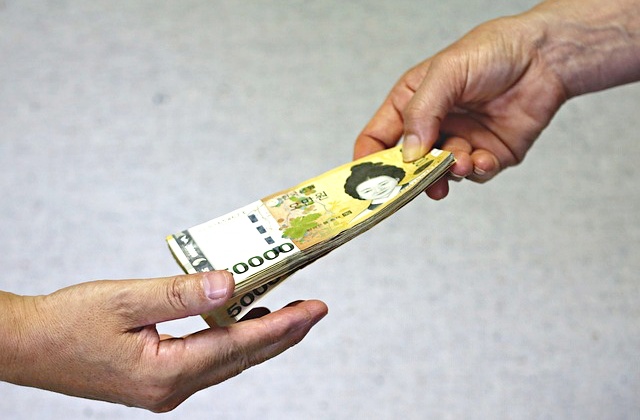
Asian currencies weakened sharply in Monday’s trading session after the United States and Israel launched major military strikes on Iran, intensifying geopolitical tensions and sparking a global risk-off wave. Investors shifted toward safe-haven assets, boosting the U.S. dollar and driving volatility across Asian forex markets.
The South Korean won led regional losses, with the USD/KRW pair jumping 1% as traders reacted to South Korea’s heavy dependence on imported energy and its exposure to rising oil prices. Analysts warned that sustained increases in crude prices could further pressure currencies of oil-importing nations. MUFG analyst Michael Wan noted that the Korean won (KRW), Indian rupee (INR), and Philippine peso (PHP) remain particularly vulnerable due to their oil import linkages and higher beta sensitivity to global risk sentiment.
The US Dollar Index gained 0.2% in Asian trade, extending earlier advances fueled by haven demand. U.S. Dollar Index futures also rose 0.2%, reflecting ongoing investor caution. Oil prices surged to multi-month highs amid fears of supply disruptions in the Gulf region and potential threats to shipping routes through the Strait of Hormuz, a key corridor for global crude flows.
The Indian rupee weakened, with USD/INR rising 0.3%, while the Singapore dollar saw USD/SGD climb 0.2%. The Chinese yuan edged lower, as both USD/CNY and USD/CNH ticked higher, hovering near 34-month lows reached last week. Meanwhile, the Japanese yen showed relative resilience, with USD/JPY up 0.2%, supported by safe-haven flows.
In contrast, commodity-linked currencies such as the Australian dollar and New Zealand dollar recovered most of their earlier losses. AUD/USD traded flat after dropping as much as 1.2%, while NZD/USD rebounded from nearly a 1% decline. Australia’s status as a major commodity exporter helped cushion the impact of rising crude prices compared to other Asian economies.
Heightened geopolitical risks, surging oil prices, and stronger U.S. dollar momentum are likely to keep Asian currency markets volatile in the near term.