Asian currencies traded in a mostly flat-to-lower range on Thursday, while the U.S. dollar weakened after the Federal Reserve left interest rates unchanged and struck an optimistic tone on the U.S. economy. Currency markets across Asia remained cautious amid rising global risk aversion, ongoing geopolitical tensions, and concerns over fiscal spending in major developed economies.
The U.S. dollar index and dollar index futures slipped between 0.2% and 0.4%, staying close to a near four-year low touched earlier in the week. The pullback came after the Federal Reserve kept its benchmark interest rate steady at 3.75%, in line with market expectations. Federal Reserve Chair Jerome Powell described the U.S. economy as “solid,” noting easing risks to both inflation and employment, which weighed further on the greenback.
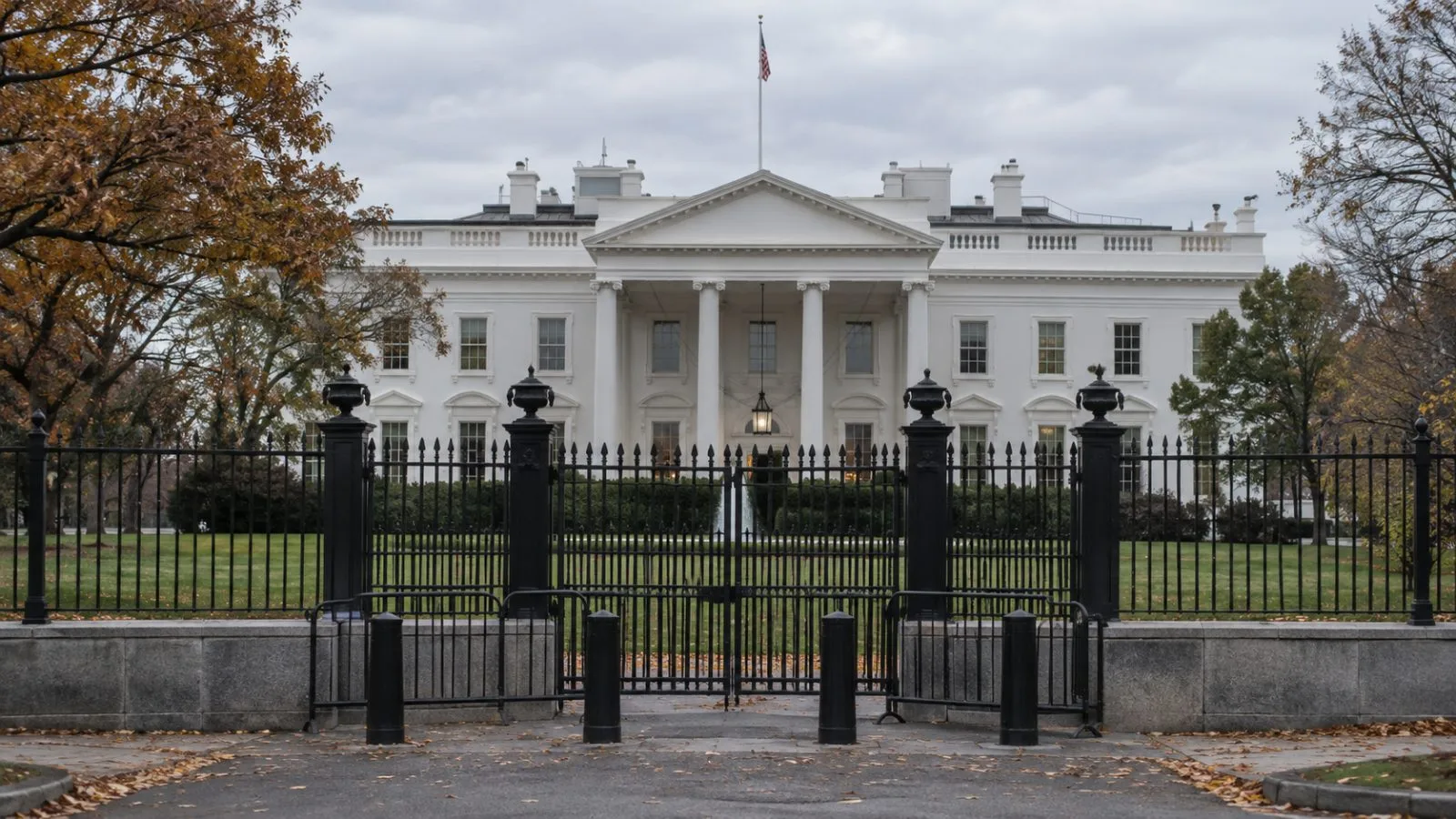
However, market attention also centered on questions surrounding the Fed’s independence. During the post-meeting press conference, Powell declined to comment on reports of a criminal investigation linked to a long-running renovation of the Fed’s buildings. The probe, reportedly initiated under the Trump administration, has fueled concerns about political pressure on the central bank, adding uncertainty to the dollar outlook.
In Asia, currency movements were largely muted. The Japanese yen remained a focal point as investors speculated over possible intervention to stabilize the currency. USD/JPY fell around 0.3%, hovering near a three-month low after Japanese Prime Minister Sanae Takaichi cautioned against excessive volatility. Reports suggesting potential joint intervention by U.S. and Japanese authorities further supported the yen and discouraged aggressive bearish bets.
The Australian dollar stood out among Asian currencies, with AUD/USD rising about 0.4% to a near three-year high. Strength in the Aussie followed hotter-than-expected inflation data, which boosted expectations of an imminent interest rate hike by the Reserve Bank of Australia.
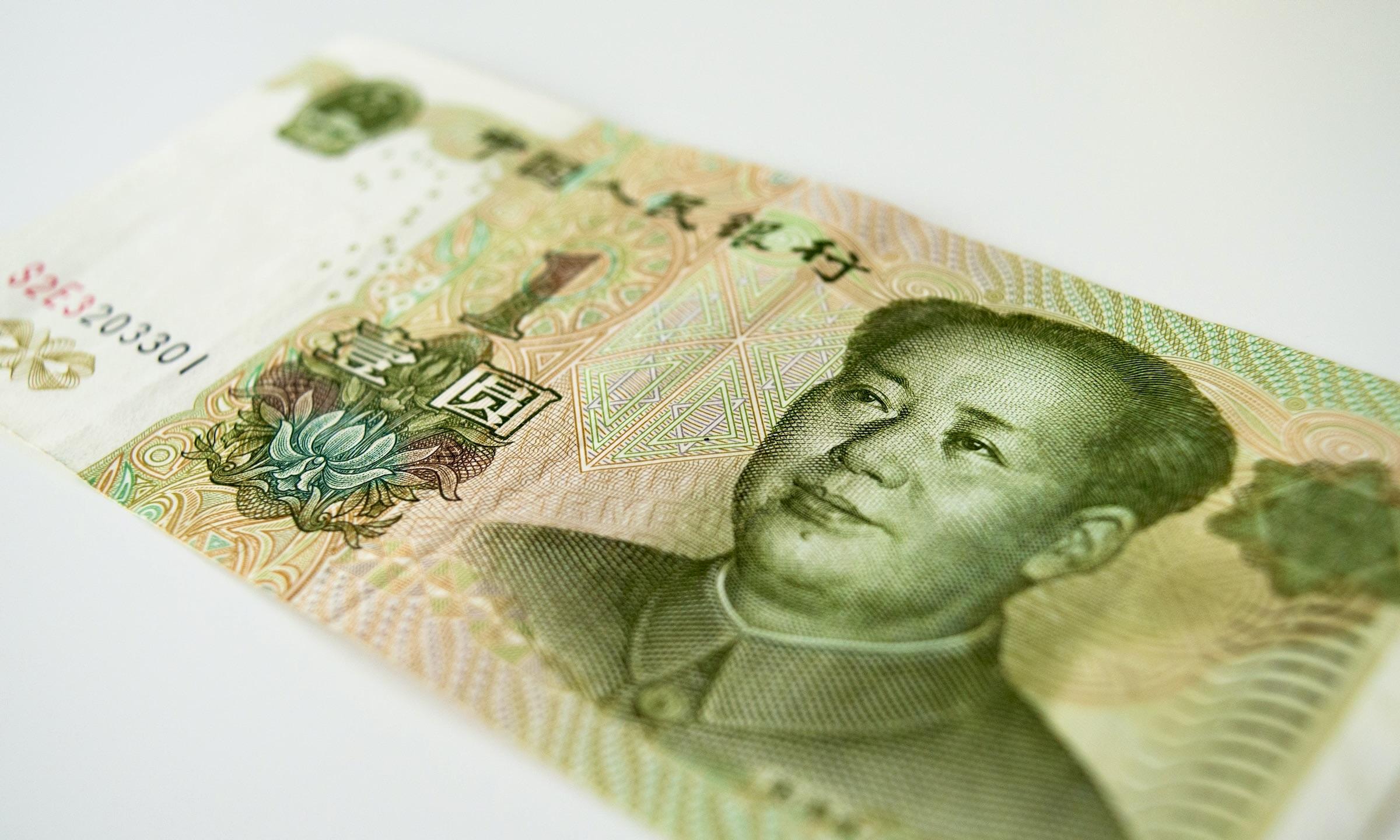
Elsewhere, the Chinese yuan steadied near its weakest level since May 2023, while the Singapore dollar remained stable after the Monetary Authority of Singapore left policy unchanged. The Taiwan dollar traded flat, and the Indian rupee edged slightly lower after recently hitting a record high above 92 per dollar.
Overall, Asian currency markets remained constrained by cautious sentiment, a softer dollar, and heightened geopolitical and policy-related uncertainty.