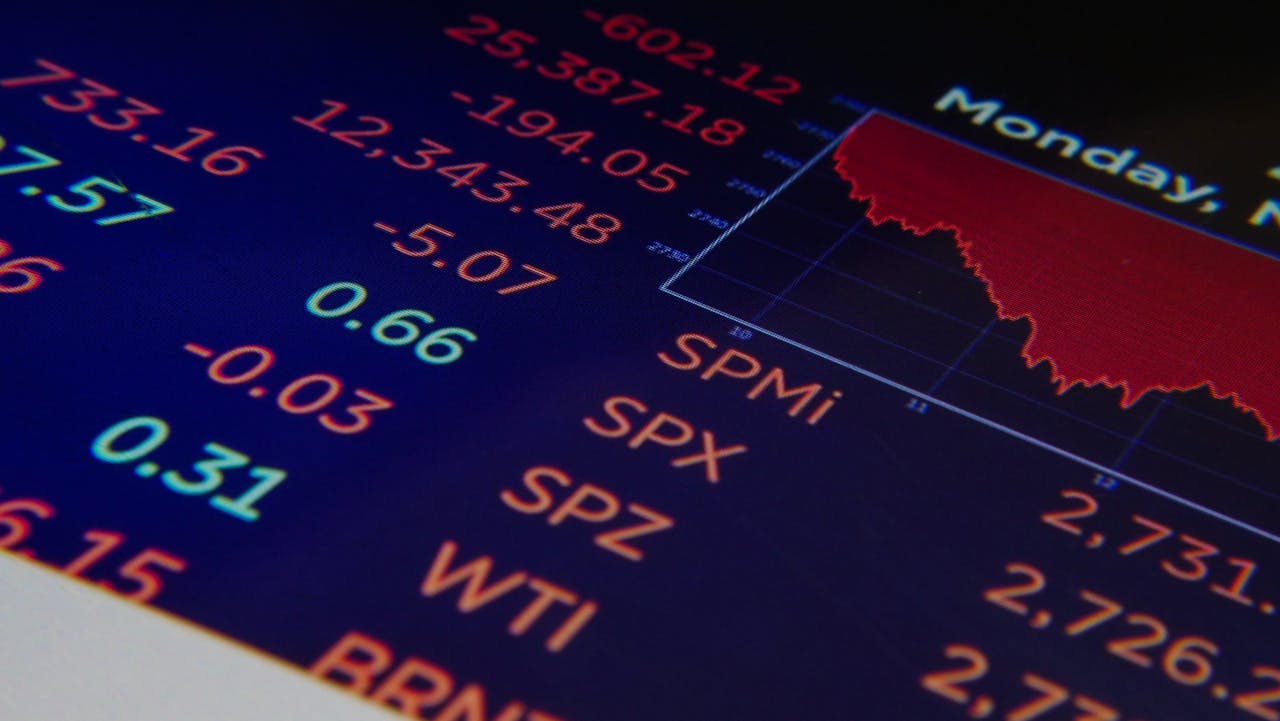
Asian markets rose on Tuesday, brushing off fresh U.S. tariff threats after President Donald Trump signaled a willingness to negotiate. Despite weak cues from Wall Street, investor sentiment in Asia improved as Trump delayed the start date for new tariffs to August 1 and hinted at ongoing trade discussions.
South Korea’s KOSPI led regional gains, climbing 0.7% thanks to a 2.5% rally in SK Hynix shares, which surged after Samsung Electronics warned of disappointing second-quarter earnings. In contrast, Samsung shares slipped around 1%. Japan’s Nikkei 225 was flat, while the TOPIX edged slightly lower.
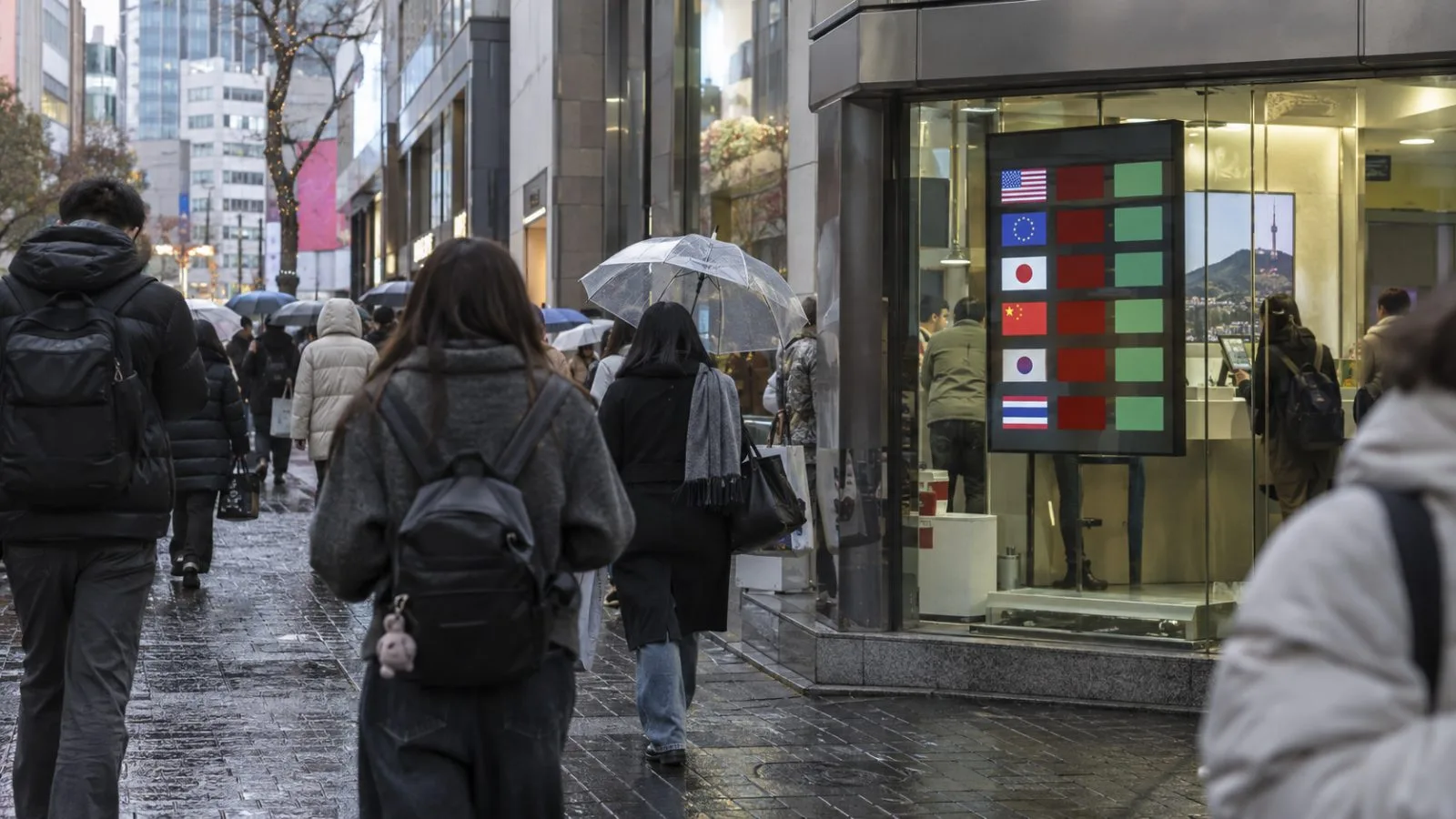
Trump unveiled plans for 25% tariffs on goods from South Korea, Japan, and Malaysia, and higher levies on others—Thailand (36%) and Indonesia (32%). However, his comment that the August 1 deadline wasn’t “100% firm” sparked optimism that some countries could reach trade deals with Washington before tariffs take effect.
Malaysian stocks fell 0.7%, while Indonesia's benchmark dipped 0.2%. Still, broader Asian markets gained on hopes of a softer stance. China’s CSI 300 and Shanghai Composite rose 0.3% and 0.2%, respectively. Hong Kong’s Hang Seng added 0.3%, and Singapore’s Straits Times inched up 0.1%. Indian Gift Nifty 50 Futures also rose 0.1%, boosted by progress on a potential U.S.-India trade agreement.
Australian markets remained cautious ahead of the Reserve Bank of Australia’s policy decision. The ASX 200 dipped 0.1% as traders awaited a widely expected 25-basis-point rate cut to 3.60%—the third this year. While recent inflation and growth data support easing, Westpac analysts cautioned that a cut is not guaranteed due to global economic uncertainties.
Overall, markets remained resilient as hopes for continued U.S. trade negotiations offered some relief.