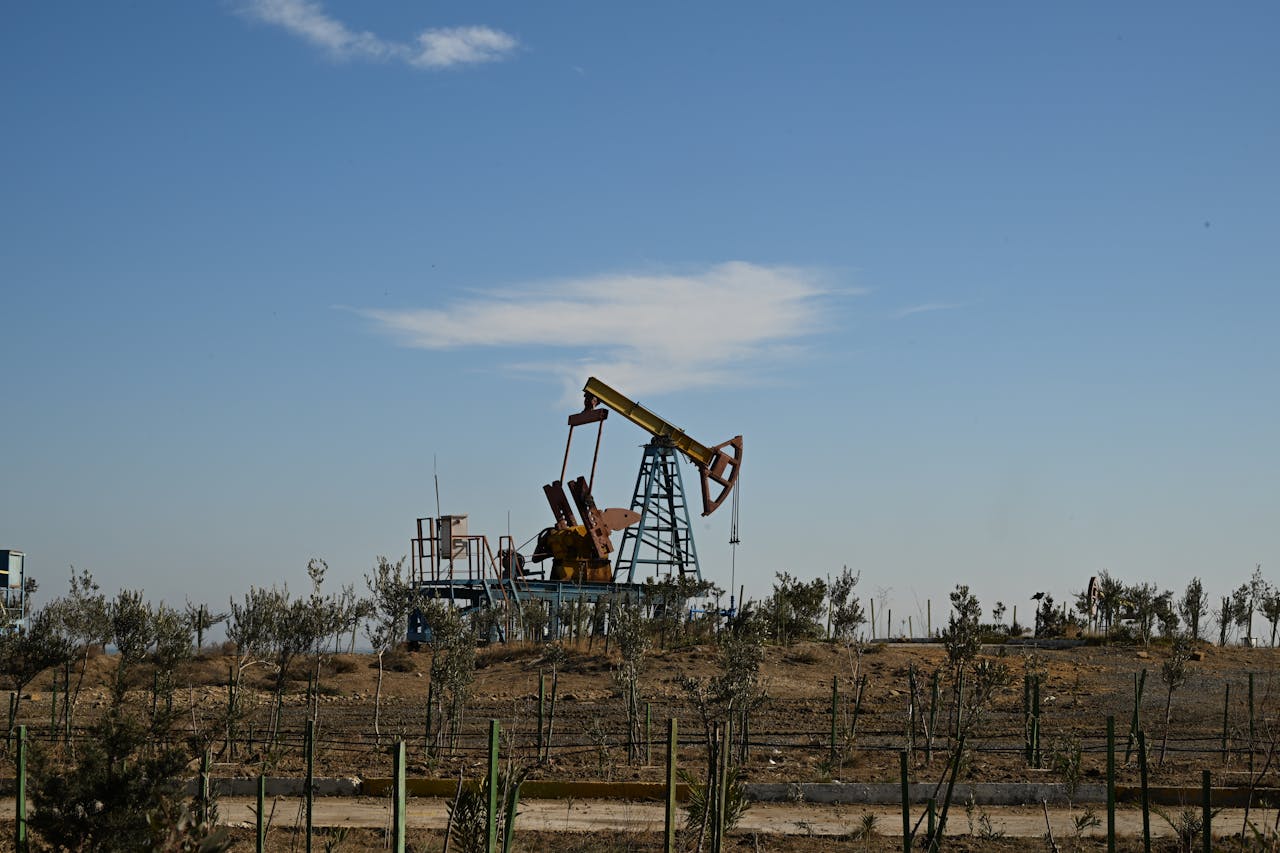
Oil prices declined in Asian trading on Friday and were on track to post a weekly loss, as investor focus shifted toward upcoming diplomatic talks between the United States and Iran and broader macroeconomic pressures. Crude markets have recently shed some of their geopolitical risk premium, with traders growing cautiously optimistic that renewed dialogue could ease tensions in the Middle East, a region critical to global energy supply.
Brent crude futures for April hovered around $67.58 per barrel, while West Texas Intermediate (WTI) crude futures edged up slightly to $63.09 per barrel during early Asian hours. Despite the minor intraday stabilization, both benchmarks were still set to record weekly losses of between 2.5% and 4%, snapping a six-week rally that had pushed oil prices to multi-month highs.
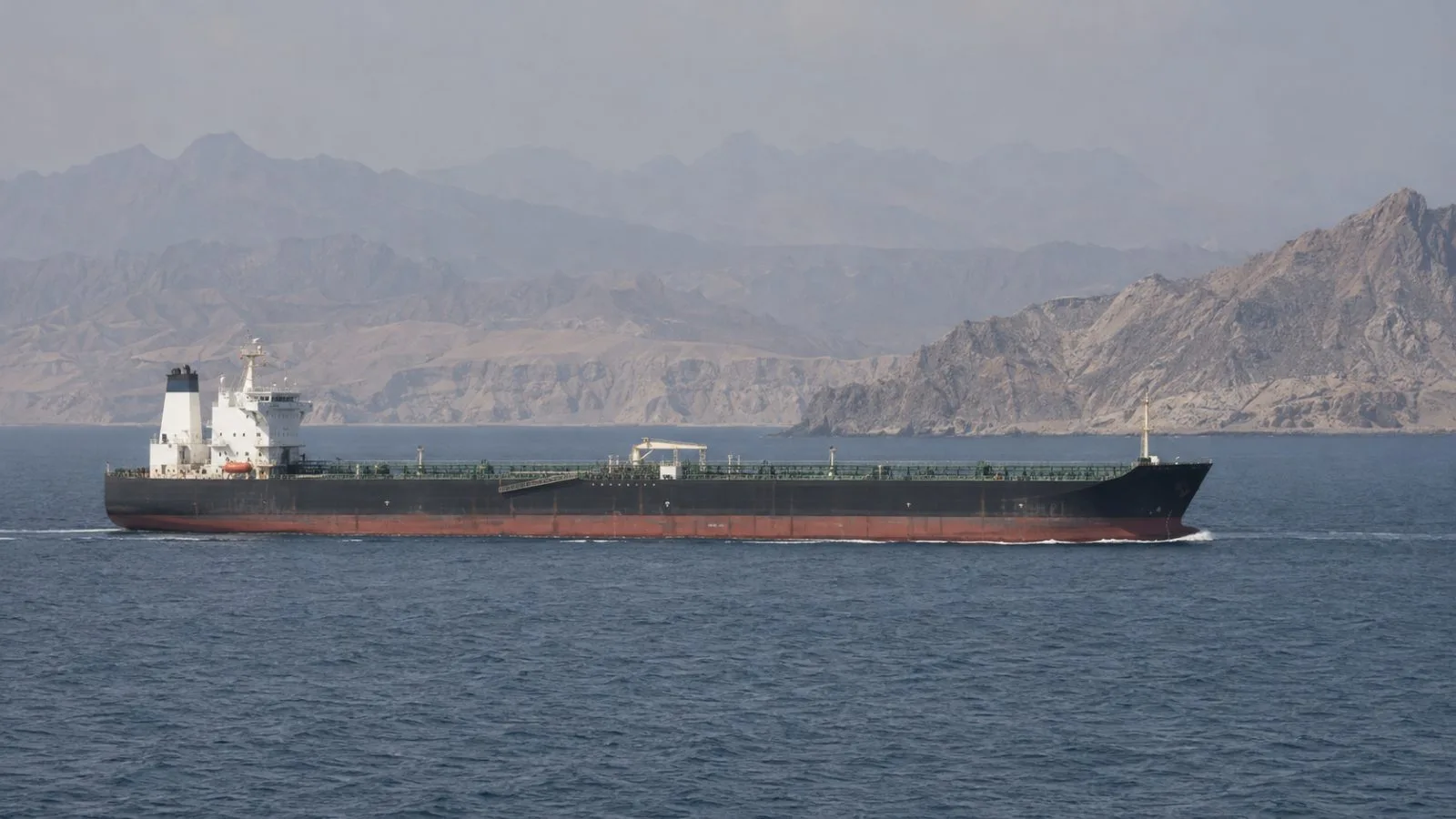
The pullback in oil prices comes as U.S. and Iranian officials are scheduled to meet in Oman, following a period of heightened military activity in the region, including the deployment of multiple U.S. naval fleets. Markets have been pricing in the possibility that these talks could help de-escalate tensions and reduce the risk of supply disruptions, particularly through the Strait of Hormuz, a vital shipping route for global crude exports. Iran, a major oil producer, plays a key role in regional supply dynamics, and any easing of sanctions or tensions could impact oil availability.
However, uncertainty remains high, as both sides appear divided on the scope of the discussions. Iran has pushed back against U.S. demands to address its missile program, stating that talks will focus solely on nuclear-related issues. This ongoing disagreement has kept traders cautious, limiting any upside momentum in oil prices.
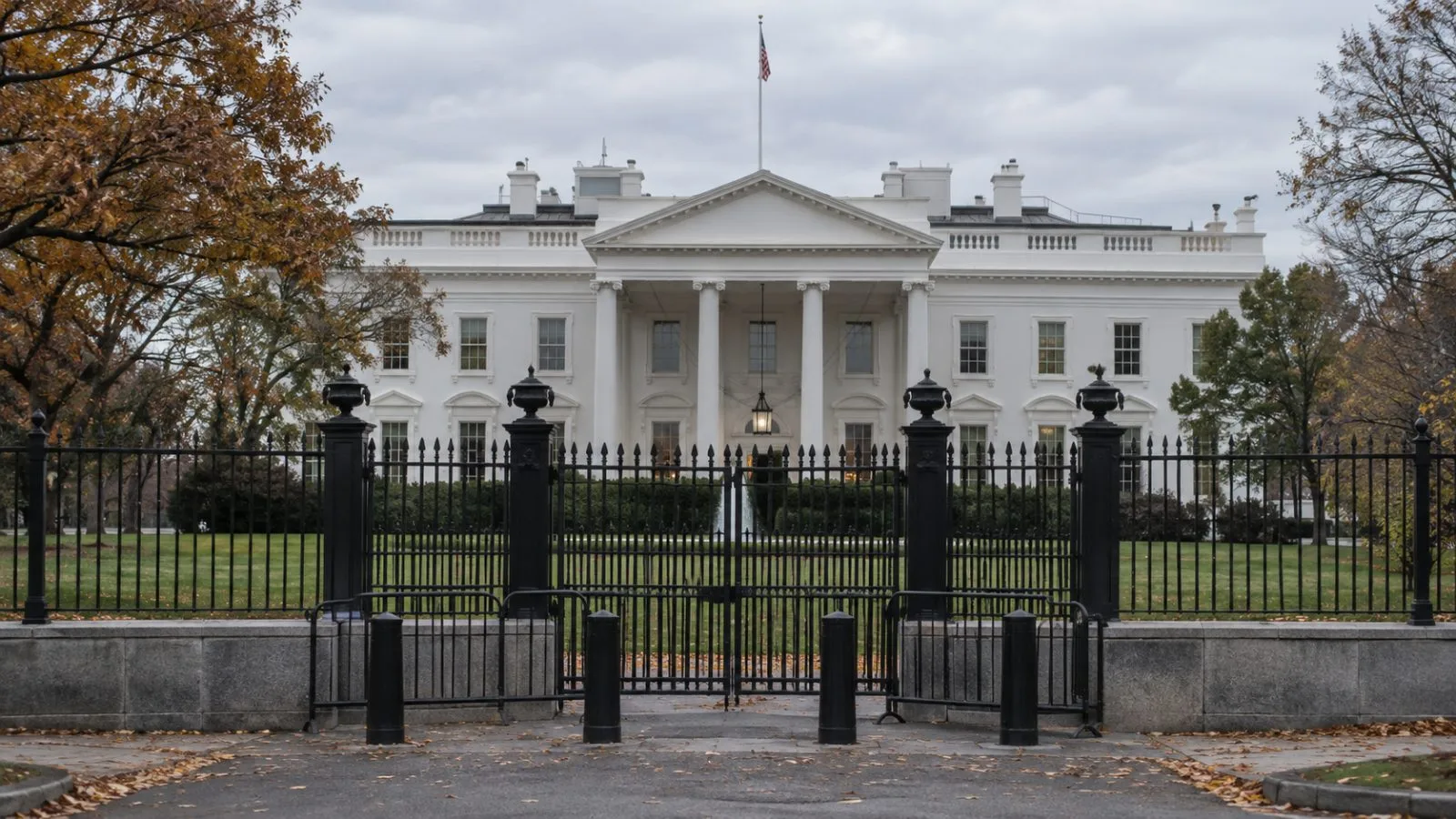
Beyond geopolitics, oil markets have also faced pressure from profit-taking after last week’s strong performance, as well as a stronger U.S. dollar. The dollar posted its strongest weekly gain since October, weighing on commodity prices broadly. Investor sentiment was influenced by expectations that Kevin Warsh, President Donald Trump’s nominee for Federal Reserve chair, could take a less dovish stance on monetary policy, further supporting the dollar and dampening demand for dollar-denominated commodities like crude oil.