


 Bitcoin Posts 42.7% Q3 Gain as ‘Uptober’ Begins Amid Crypto Turmoil
  XRP Rises as Evernorth Merger Vote Clears Key Nasdaq Hurdle
  XRP Ledger Hits 10 Million AI Payments as Bitcoin Retreats
  Zcash Awards $8 Million in Grants After Orchard Bug Crisis
  MSTR Stock Rises 3% as Strategy Challenges MSCI Bitcoin Stance
  WordPress Malware Uses Ethereum to Evade Removal
  AAVE, PUMP, WLD and SKY Rally as Crypto Market Slips
  TRUMP Memecoin Launches New Dinner Contest
  NEAR Intents Hack Drains $3.8 Million, NEAR Price Falls 7.5%
  Standard Chartered Sees Ethena ENA Hitting $2 by 2028
  Ripple Locks 700 Million XRP Back in Escrow After October Release
  Ethereum Price Eyes $3,000 as Fed Rate Hike Odds Drop
  Evernorth Set for Nasdaq Debut With 473 Million XRP Treasury
  Crypto Rallies as CLARITY Act Failure Opens Door to Faster SEC Rules
  Bitcoin Exchange Reserves Hit Multi-Year Low at 2.68 Million BTC
  Bitcoin Holds Above $83,700 as High Treasury Yields Limit Rally
  Cardano Price Struggles as NIGHT Token Surges 20%


 Add as a preferred source on Google
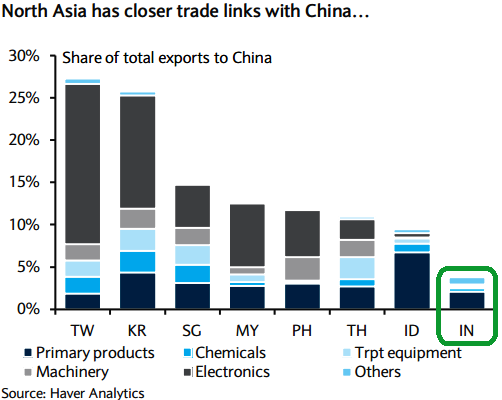
Industrialized Asian nations, especially those countries in close proximity to China, have been hit harder. North Asian exports to China have fallen more sharply in July and August, setting the stage for a shallower recovery in growth momentum in Q3 than earlier expected. The depressive effect of lower oil prices intensified after oil prices dropped 33% since May.
North Asian economies will see slower growth, while ASEAN battles market volatility and weather risks. India, and to an extent Indonesia, remain bright spots. Weaker currencies will complement existing policy support amid low inflation. Trade compression hurting growth Intra-Asia trade compression is hurting regional growth, as China decelerates faster than expected.
The recession in goods starts to bite the sluggishness in Q2 has extended into Q3, with the effects of decelerating Chinese activity spilling over into the region. This is reflected in the downgrade to our China assumptions, which now factors in a slower growth path in H2, lowering 2015 growth to 6.6% (previously: 6.8%).
Meanwhile, the uneven recovery in developed markets, coupled with weaker EM demand, has resulted in excess inventories in the two main supply chains - in autos and electronics. This is constraining production, shipments and purchasing activity between Asia's centres of production, resulting in lower intra-Asia trade. However, we believe Christmas orders from the US will be strong enough for activity to bottom out.
These have led us to cut our 2015 growth forecasts for six countries since the June edition of the Emerging Markets Quarterly, most notably Korea (0.7pp), Singapore (1.4pp) and Taiwan (2.3pp) in industrialized Asia and the Philippines (1.0pp), Thailand (1.0pp) and Indonesia (0.2pp) in the rest of EM Asia. Only Malaysia was revised higher, by 0.5pp to 5.0%.
The silver lining is India, as the growth outlook there continues to improve despite the weaker-than-expected Q2 GDP outturn. This is led by increased infrastructure spending on stronger indirect tax collections at a time when additional monetary easing is being delivered.

- News

- Economy

- Central Banks
- Investing
- Research
- Roundups
- Digital Currency
- Insights
- Technical Analysis
- Technology
- Business
- Law
- Health
- Nature
- Fintech
- Science
- Topic
- Opinions
- ©Econometrics LLC . All Rights Reserved.
Asian trade contraction on Chinese slowdown - India remains bright spot in Asia
Friday, September 25, 2015 12:45 PM UTC
Editor's Picks



- Market Data
Most Popular




