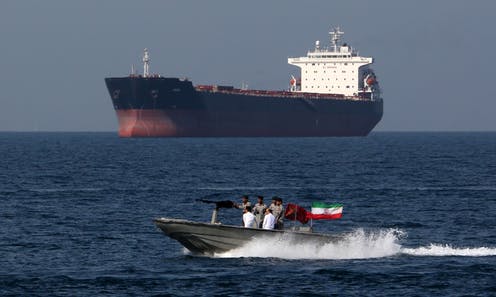
A QatarEnergy-operated liquefied natural gas tanker successfully crossed the Strait of Hormuz on Sunday for the first time since the Iran war began on February 28, signaling a possible easing of tensions in one of the world’s most critical energy routes. The LNG carrier Al Kharaitiyat sailed safely toward Pakistan’s Port Qasim, according to shipping analytics firm Kpler, offering relief to Pakistan as it struggles with severe power outages caused by disrupted gas imports.
The tanker’s passage comes after nearly 48 hours of relative calm following sporadic clashes that threatened a month-old ceasefire between Iran, the United States, and Israel. Sources familiar with the matter said Iran approved the shipment as a confidence-building measure toward Qatar and Pakistan, both of which have played mediating roles during the conflict.
Despite allowing the vessel through, Iranian authorities warned that ships belonging to countries supporting U.S. sanctions against Tehran could face difficulties crossing the strategic waterway. The Strait of Hormuz remains a major geopolitical flashpoint, previously handling around 20% of global oil supplies before the conflict disrupted international shipping.
The United States is still awaiting Tehran’s response to a proposal aimed at formally ending the war before broader negotiations begin on Iran’s nuclear program and regional security issues. President Donald Trump, who is expected to visit China this week, faces mounting pressure to stabilize the conflict as rising energy prices continue to impact the global economy.
Meanwhile, Kuwait reported detecting hostile drones in its airspace on Sunday, highlighting ongoing security concerns across the Gulf region. Iran is also reportedly drafting legislation to formalize its control over the Strait of Hormuz, potentially restricting passage for vessels from countries considered hostile.
Washington has criticized NATO allies for failing to support efforts to reopen the strait without a comprehensive peace agreement. Britain has since announced plans to deploy a warship to the Middle East in preparation for a future multinational security mission.