


 Gold Prices Slip as High Treasury Yields Weigh on Bullion
  Nasdaq Futures Jump as Micron Earnings Boost AI Trade
  Asian Stocks Rise as Chipmakers Rally on Micron Earnings
  Asian Currencies Mixed as Yen Slides on BOJ Rate Signals
  Wall Street Edges Higher as Treasury Yields Retreat
  Asian Stocks Fall as Bond Yields and Oil Prices Surge
  Australia Trade Surplus Shrinks Sharply as Imports Surge
  India Manufacturing Growth Hits Seven-Month High in September
  Gold Rebounds as Oil Falls and Treasury Rout Eases
  Trump Eyes $54 Billion South Korean Investment in Alaska LNG
  Oil Prices Surge as U.S.-Iran Tensions Fuel Supply Fears
  Australia Inflation Accelerates to 4% After RBA Rate Hike
  Gold Steady as Softer U.S. Inflation Eases Fed Rate Hike Bets
  RBA Hikes Interest Rate to 4.60% as Inflation Risks Rise
  Japan Factory Output Unexpectedly Falls 1.7% in August


 Add as a preferred source on Google
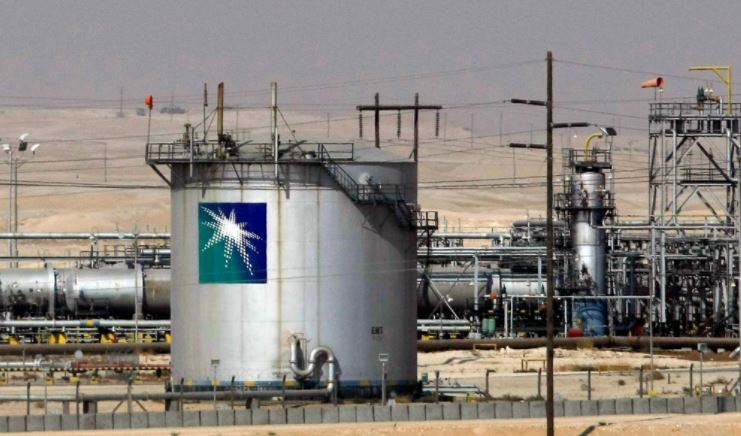
Saudi Aramco posted a strong 25% increase in first-quarter net profit for 2026, highlighting the company’s resilience amid ongoing geopolitical tensions and major disruptions to global energy shipping routes. The Saudi state-owned oil giant reported net income of $32.5 billion for the quarter ending March 31, beating analyst expectations of $30.95 billion.
Aramco’s total revenue climbed nearly 7% year-over-year to $115.49 billion, supported by stronger crude oil prices and higher sales volumes across its oil, refining, and petrochemical businesses. The company’s performance comes at a time when the blockade of the Strait of Hormuz continues to challenge global oil transportation and energy markets.
To maintain stable exports, Saudi Aramco has maximized the use of its East-West crude pipeline, which transports oil from the eastern region of Saudi Arabia to the Red Sea port of Yanbu. CEO Amin Nasser said the pipeline has reached its full capacity of 7 million barrels per day, describing it as a vital route for maintaining global energy supply during the ongoing crisis. Around 5 million barrels per day of that capacity remains available for exports after meeting domestic refinery demand.
Aramco also announced a Q1 base dividend of $21.9 billion, up 3.5% from the previous year. The company is expected to distribute approximately $87.6 billion in dividends throughout 2026, reinforcing its importance to Saudi Arabia’s economy and government finances.
Although free cash flow slightly declined to $18.6 billion due to higher working capital requirements, Aramco maintained a low gearing ratio of 4.8%. Capital expenditures reached $12.1 billion during the quarter, while the company kept its full-year spending guidance between $50 billion and $55 billion.
Despite reducing oil production by 2 million barrels per day because of regional conflict, Aramco successfully stabilized revenues by prioritizing lighter crude exports through its inland pipeline system. With the Saudi government and the Public Investment Fund controlling 97.5% of the company, Aramco’s strong dividend payments remain essential for supporting national development projects and reducing fiscal pressure.







