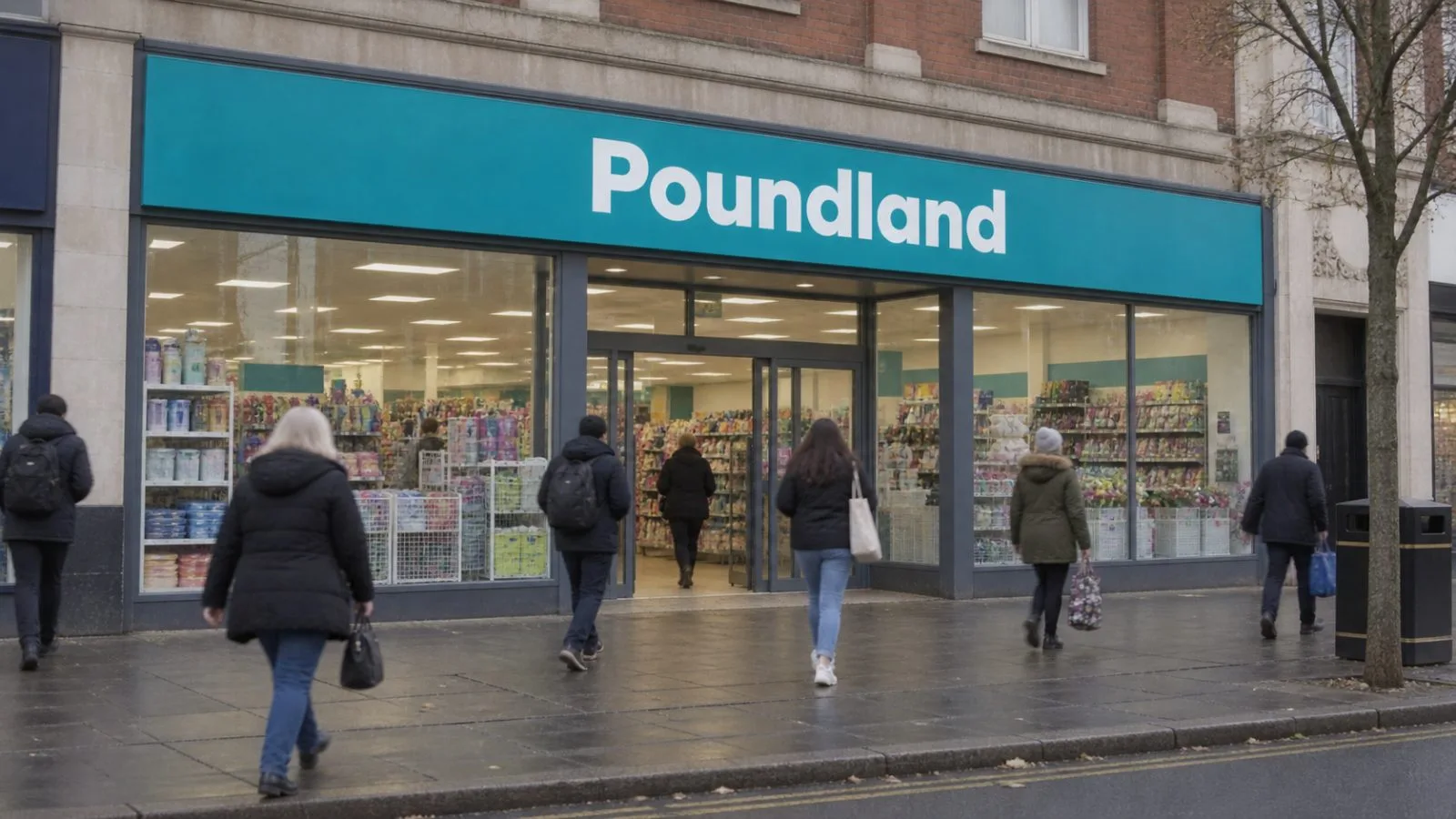
The global economy is slowing down at an unprecedented rate as what started as a local epidemic in Central China in December 2019 has spread to almost every nation, and it would appear the closures and cancellations will continue for the foreseeable future.
Since the start of the year, China, Italy, India, Korea, Italy, the United Kingdom, and the United States have closed all or part of their countries – restricting movement and causing millions of businesses to shutter.
While it is difficult to assess the exact impact of these measures, it is undeniable that the loss of income due to these closures will have a massive effect on the mortgage industry, besides the slow down in originations, there are also concerns about the impact of this event credit scores, borrower’s ability to continue to service their loans, as well as the potential knock on to the secondary market.
As such, the coronavirus pandemic is not only a massive public health challenge. It has the potential to be the worst economic event in close to 100-years.
The irony is that only a month ago, the economy appeared to be firing on all cylinders; unemployment was at a record low, the stock market was at a record high, interest rates remained extremely attractive for borrowers, and banks were continuing to lend money. However, fear has gripped almost every aspect of the economy, and few people know what is going to happen yet.
While homes remain for sale, the uncertainty surrounding the economy is not only impacting potential borrowers, but banks are increasingly unwilling to lend their money into an unknown situation. The only two factors which might help borrowers to get a loan in the short-term, besides their credit score, is affordability and their job security.
However, many analysts believe the reverse mortgage sector of the loan market might be poised for growth. Part of the reason for this is that older Americans are seeking to protect their assets to stay ahead of a massive economic downturn. This even includes those who need to get a jumbo loan, which is not part of the federal reverse mortgage program.
Just like traditional reverse mortgages, the owners of high-end homes see these instruments to protect their cash in uncertain times, and these funds can then be used to offset unexpected costs tied to the country being shut down.
In terms of traditional home mortgages, interest rates remain at or near historic lows. While this might entice some borrowers into the market, the reality is that underwriting standards are tightening at almost every major bank. The reason is that these banks are preparing for a potential tsunami of loan defaults and even a freeze of the inter-bank market – where banks go to get money.
In the U.S., the Federal Reserve has been taking aggressive measures to address a potential credit crunch. This includes lowering the Fed’s target rate to almost zero and issuing more than $8 trillion in repos since October.
While the Fed’s repo purchase program, which is the purchase of U.S. Treasury Bills and mortgage-backed securities from banks, has been one going since late last year, activities have picked up pace since the outbreak began.
In theory, these purchases are meant to be overnight, with the banks buying back the assets via a reverse repo the next morning. But the reality is that to the $8 trillion in repos issued, only $1 trillion in reverse repos have taken place. These instruments can have varying maturities, but the ongoing operation is a clear indication of the Fed’s decision to prop up the economy no matter what.
What does this mean for the mortgage industry? First, the Fed has been a massive buyer of mortgage-backed securities for the last six-month. So much so, that they may be one of the largest holders of these securities in the country. Many of the guards where issued by government-backed entities such as Fannie Mae and Freddie Mac that some have pointed out that the government is keeping every industry tied to real estate afloat.
Just before the start of the crisis, housing starts jumped by more than 20 percent, with 1.425 million units recorded as starting construction in January. However, shelter in place warnings in many states and supply chain disruptions could place many of these projects behind schedule, and this could lead to a cascade of construction loan defaults later this year.
Even if the defaults don’t come, developers will be scrambling to refinance their existing loans to reset the clock on the construction period. While no one knows when this will happen, but the delays will have a tremendous impact on the mortgage industry.
The emergence of COVID-19 has broadsided the mortgage industry. While it is too early to affirm the doom and gloom forecasts of defaults and foreclosures, there is no doubt that the states of emergency will start to pressure the industry.
The only thing that we know for sure at this point is that we don’t know anything for sure.
This article does not necessarily reflect the opinions of the editors or management of EconoTimes.