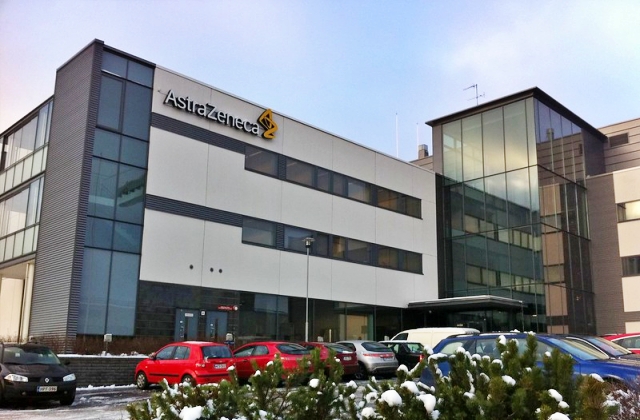
AstraZeneca (NASDAQ: AZN) has unveiled plans to invest $50 billion in U.S. manufacturing and R&D infrastructure by 2030, marking one of the largest expansions in the pharmaceutical industry. The move responds to renewed pressure from President Donald Trump’s administration to localize drug production and reduce reliance on imports.
The Anglo-Swedish drugmaker will build a new manufacturing plant in Virginia focused on active ingredients for weight-loss drugs, including a GLP-1 candidate and an oral PCSK9 inhibitor. It also plans to expand operations in Maryland, Massachusetts, California, Indiana, and Texas, enhancing its R&D capabilities and clinical trial supply chain.
CEO Pascal Soriot announced the investment in Washington, citing the need for global pricing reform. “The U.S. cannot shoulder the world’s R&D costs alone,” he said, calling for other nations to pay more for drugs.
Over 40% of AstraZeneca’s 2024 revenue came from the U.S., the world’s largest pharmaceutical market valued at $635 billion. The company aims to hit $80 billion in annual revenue by 2030, with half coming from the U.S.
The $50 billion pledge follows Trump’s threats of pharmaceutical tariffs, with a possible grace period of 12–18 months. U.S. Commerce Secretary Howard Lutnick emphasized the administration’s goal to end foreign dependency in the drug supply chain.
The investment is in addition to a $3.5 billion commitment made in November 2024. It mirrors a similar $50 billion pledge by Roche and aligns with major expansion plans from Eli Lilly, Johnson & Johnson, Novartis, and Sanofi.
AstraZeneca employs about 18,000 people in the U.S. and hinted at creating tens of thousands of new jobs, though exact figures were not disclosed. The company declined to comment on rumors of a potential U.S. stock market listing shift.