
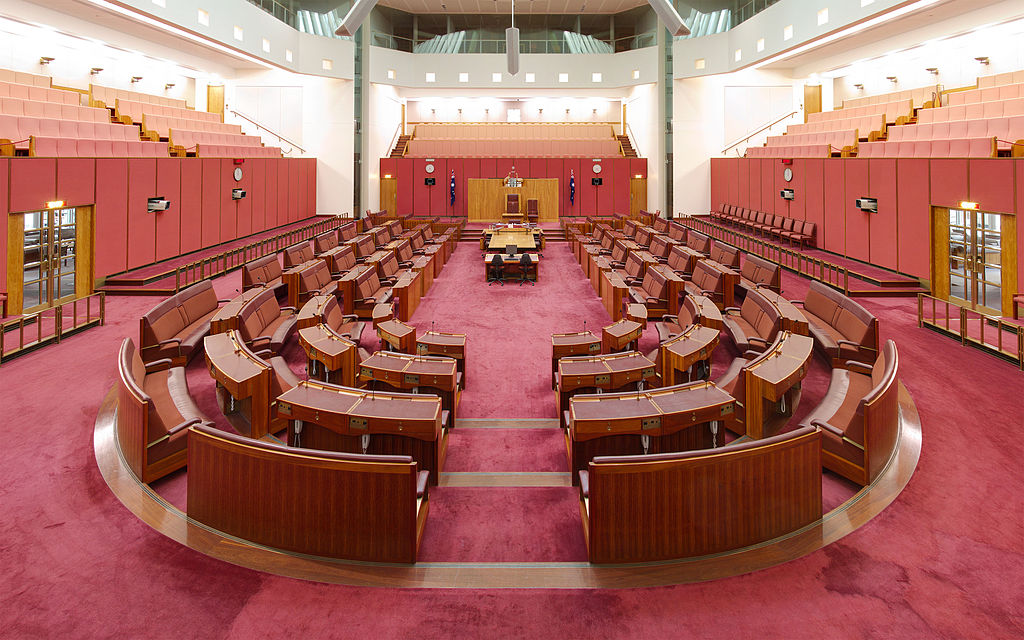
The Australian economy is likely to face a hung parliament for the first time since 2010 in its Federal elections that were held on Saturday, the results of which are due on Tuesday. A hung parliament is one where any political party fails to secure an absolute majority of seats in the parliament or legislature.
The election looks likely to result in the first hung parliament since 2010, where either the Coalition or the ALP will have to rely on the support of minor parties/independents to form the government. Minor parties or independents are likely to take more seats in the Senate, which could further complicate the passage of legislation where there is already a backlog of budget measures.
"We think a less certain political outlook may weigh on confidence and could see increased market speculation about Australia’s credit rating," ANZ said in its recent research note.
The Australian Federal election held over the weekend has delivered the real prospect of a hung parliament, with the ruling Liberal/National Coalition (LNP) losing a large number of seats to the Labor Party (ALP).
With 78 percent of the vote counted, it is now uncertain whether the LNP can win the 76 seats required to form a majority government. On current counting, the LNP has 67 seats, the ALP has 71, minor parties and independents 6 seats, with 6 seats in doubt, the report said.
According to market participants, Prime Minister Malcolm Turnbull’s coalition will come closest to forming a government, though a hung parliament, where neither party has an absolute majority, is likely. However, the PM said on Sunday that he expects to win at least 76 seats, which is needed to form a new administration.
Meanwhile, a clear result is unlikely to emerge until the end of this week, and it can eventually take longer to form a government, than initially anticipated. The last time Australia had a hung parliament (in 2010), it took 17 days for the government to be formed.

