BMW is warning the owners of about 90,000 vehicles from the 2000 through 2006 model years in the US against driving their cars due to an increasing airbag explosion threat.
The warning covers vehicles that were previously recalled to replace faulty and dangerous airbag inflators made by Takata.
Takata used volatile ammonium nitrate to inflate the airbags in a crash. But the chemical can deteriorate over time when exposed to heat and humidity and blow apart a metal canister, hurling shrapnel that can injure or kill drivers and passengers.
According to the National Highway Traffic Safety Administration (NHTSA), drivers should park their vehicles and contact BMW for more information. Repairs are available at no cost to owners, as well as mobile repairs and free towing.
The NHTSA warned that the vehicles are 17 to 22 years old, and have some of the oldest Takata airbags under recall. The airbag has an extremely high probability of failure during a crash.
NHTSA says if the inflators blow apart, metal fragments could be hurled toward the driver's face and could kill them or cause “devastating, life-altering injuries.”
Since 2009, Takata airbag explosions have killed at least 33 people worldwide, including 24 in the US. Most of the deaths and about 400 injuries have happened in the U.S., but they also have occurred in Australia and Malaysia.
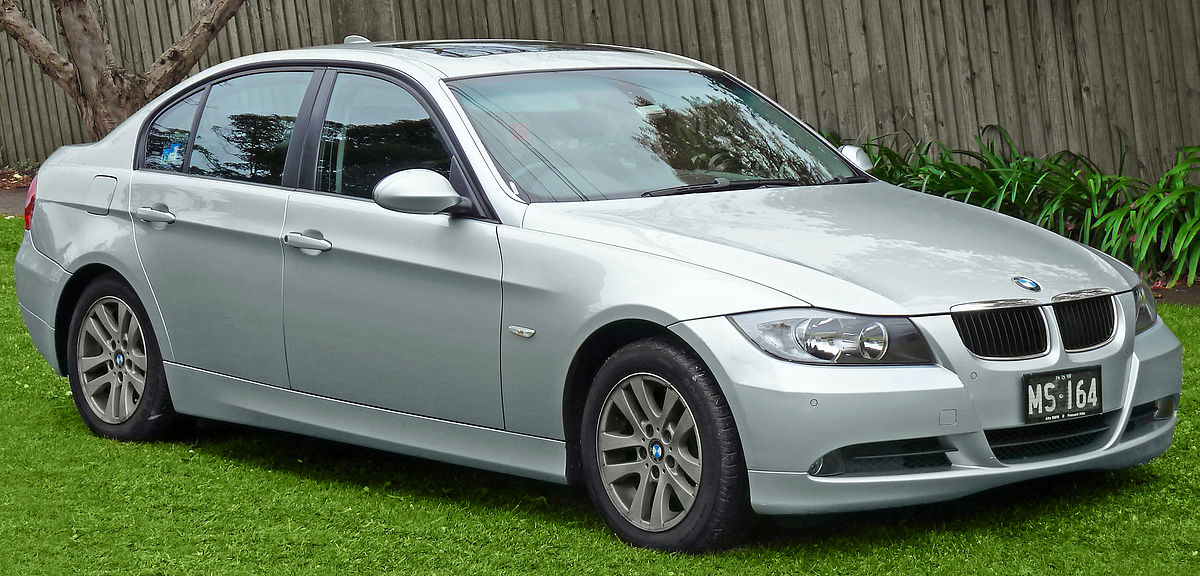
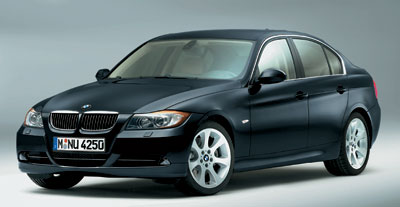
BMW models involved in the recall include the 2000 through 2006 3 Series, 2000 through 2003 5 Series, and the 2000 through 2004 X5.