


 US Stocks Slip as Treasury Yields Ease, AI Trade Rebounds
  US Dollar Hits Two-Month High as Aussie, Pound Slide
  Asian Stocks Rise as Bond Yields Ease Ahead of U.S. Inflation Data
  RBA Hikes Interest Rate to 4.60% as Inflation Risks Rise
  BOJ Set for 25-Basis-Point Rate Hike as Yen Weakness Fuels Inflation
  Asian Currencies Mixed as Yen Weakens, RBA Hike Looms
  Fed Unveils Stablecoin Rules Under GENIUS Act
  Gold Rebounds as Oil Falls and Treasury Rout Eases
  South Korea Exports Set for 16th Monthly Gain on AI Chip Demand
  Yen in Focus as BOJ, Fed Rate Hikes Reshape Currency Markets
  Gold Plunges 4% as Treasury Yields Surge and Fed Rate Hike Bets Rise
  Dollar Hits Three-Month High as US Treasury Yields Surge


 Add as a preferred source on Google
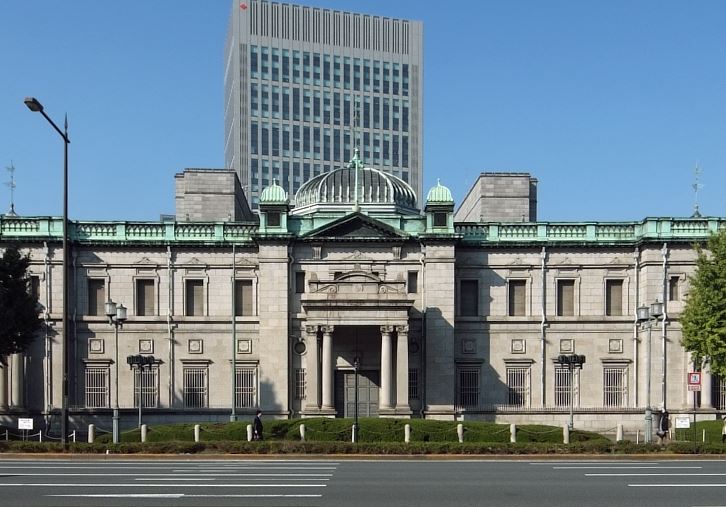
The Bank of Japan (BOJ) held interest rates steady last week, but Governor Kazuo Ueda’s remarks signaled a potential shift. Despite global uncertainties, including the Trump administration's sweeping tariffs, Ueda emphasized the need to remain vigilant as food-driven inflation continues to rise.
Sticky food prices—especially rice, which soared 81.4% year-on-year in February—have kept Japan’s inflation above target for nearly three years. Core inflation hit 3.0% in February, driven by a 5.6% surge in food costs. These sustained increases are raising concerns within the BOJ that inflation expectations may shift, prompting faster monetary tightening.
While the BOJ has typically viewed food inflation as temporary, Ueda noted the prolonged surge could impact public sentiment and wage negotiations, both key in determining future rate hikes. He also revealed that some policymakers see upside inflation risks as reason to speed up rate adjustments, a rare insight into internal deliberations.
Although services inflation remains modest at 1.3%, and long-term inflation expectations are stable, the BOJ may still act sooner than expected. Ueda hinted that the impact of U.S. trade policies will be incorporated into the next quarterly report due at the April 30–May 1 meeting, leaving the door open for a potential hike.
Market consensus points to a rate increase in Q3, likely July. However, with rising wages and persistent price pressures, some analysts believe May 1 could be a “live” meeting. Former BOJ official Nobuyasu Atago noted that when everyday prices rise consistently, central banks must respond to anchor inflation expectations.
The BOJ appears determined to avoid surprising markets but remains ready to hike early if inflation risks grow.







