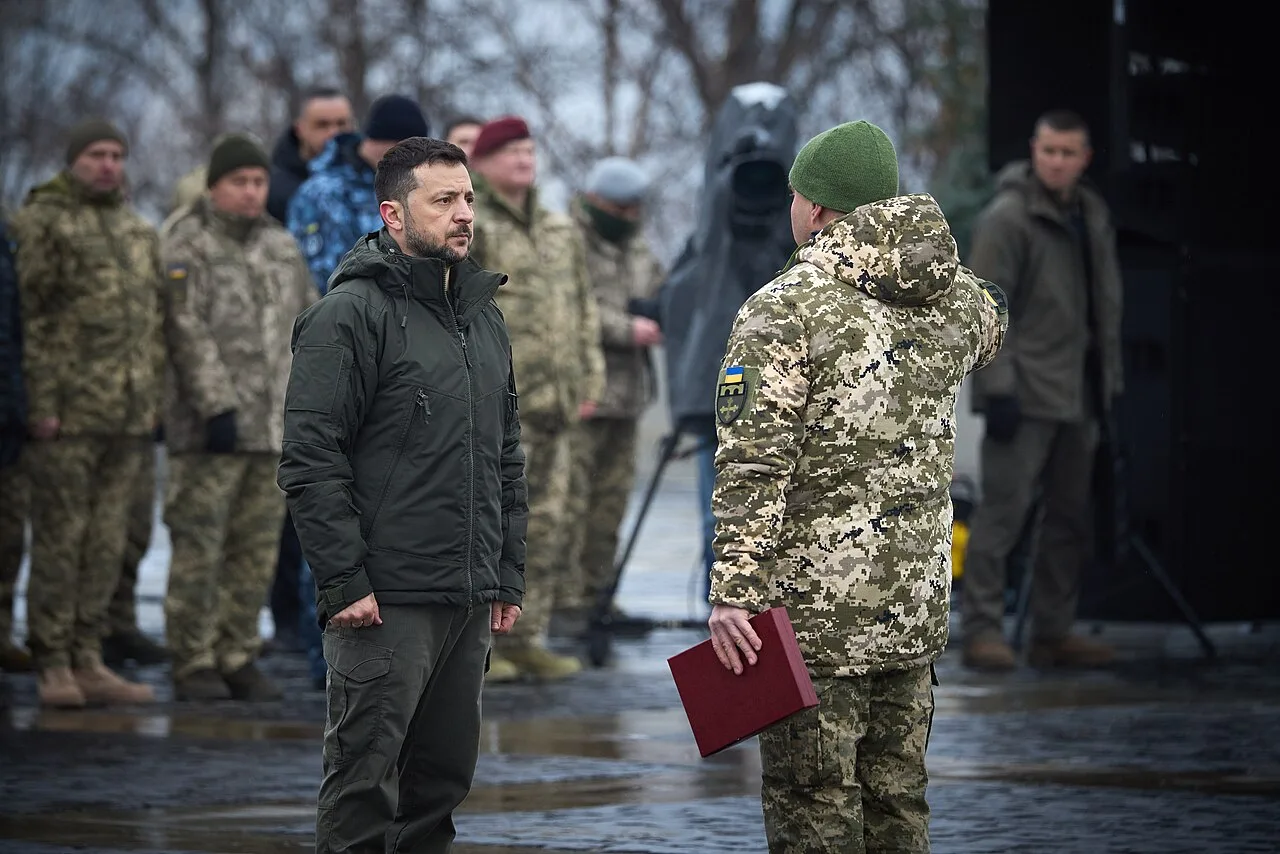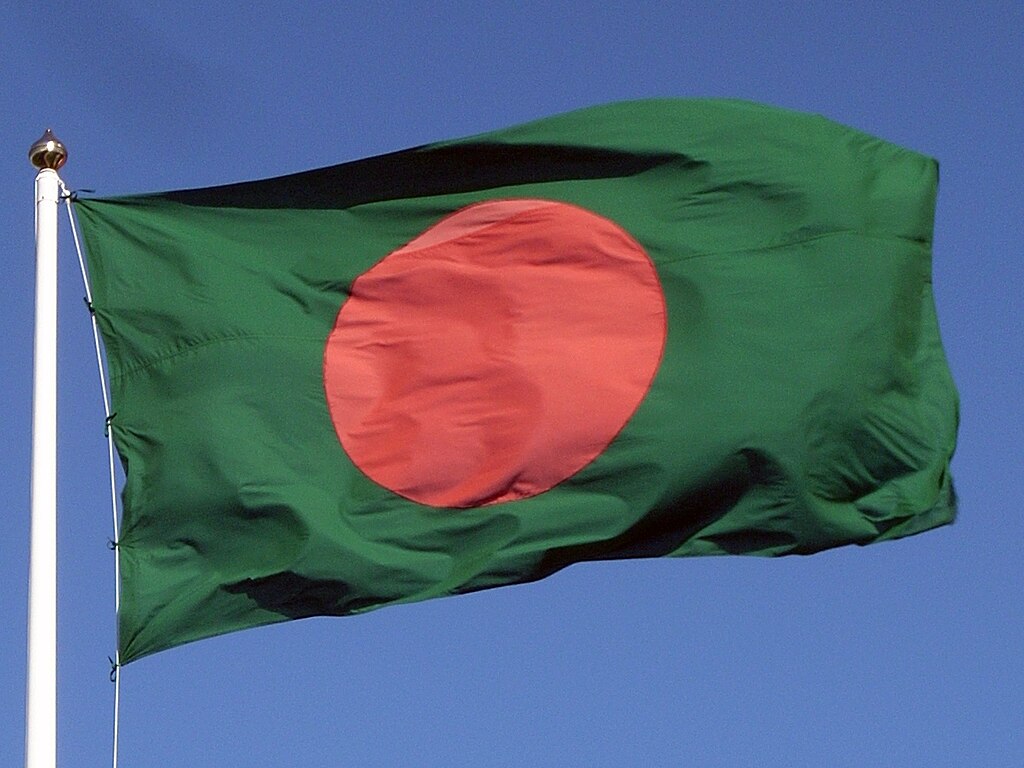
Tens of thousands of Bangladeshis gathered in Dhaka on Saturday to attend the funeral of Sharif Osman Hadi, a slain youth leader and election candidate whose killing has intensified political unrest ahead of the country’s crucial February election. The funeral, held under tight security, was attended by citizens from across the political spectrum, senior military officials, and interim government leader Muhammad Yunus.
Hadi, 32, was a prominent figure in last year’s student-led uprising that ended the long rule of former Prime Minister Sheikh Hasina. He was shot in the head by masked assailants in Dhaka last week while launching his campaign for the upcoming parliamentary election scheduled for February 12. After spending six days on life support, Hadi died on Thursday in Singapore.
His death has sparked widespread protests and violent incidents across Bangladesh, including coordinated mob attacks on major newspapers, media offices, and cultural institutions. Despite fears of renewed violence, police and paramilitary forces were deployed across the capital during Saturday’s funeral, and no major incidents were reported.
Speaking to mourners, Nobel Peace Prize laureate Muhammad Yunus said Hadi’s legacy would live on, describing the funeral as a collective promise to uphold the democratic ideals Hadi championed. In a rare and symbolic gesture, Hadi was buried on the Dhaka University campus beside the grave of national poet Kazi Nazrul Islam, underscoring his importance to the nation’s political and cultural history.
The interim government declared Saturday a day of state mourning and urged citizens to resist mob violence, warning that ongoing turmoil threatens Bangladesh’s fragile democratic transition. Human Rights Watch condemned Hadi’s killing as a “terrible act” and called for urgent action to stop the violence, while Amnesty International demanded independent investigations into the murder and subsequent attacks on journalists and media organizations.
Bangladesh, ranked 149th out of 180 countries in the World Press Freedom Index, has seen growing concerns over shrinking civic space. Protests continued in Dhaka’s Shahbagh area, and unrest has spread to other cities, including Chittagong, where demonstrators attacked the Indian Assistant High Commission amid rising anti-India sentiment.
With the Awami League barred from the election and threatening further unrest, many Bangladeshis hope the February vote will bring stability after nearly two years of political uncertainty, though analysts warn the path forward remains deeply fragile.